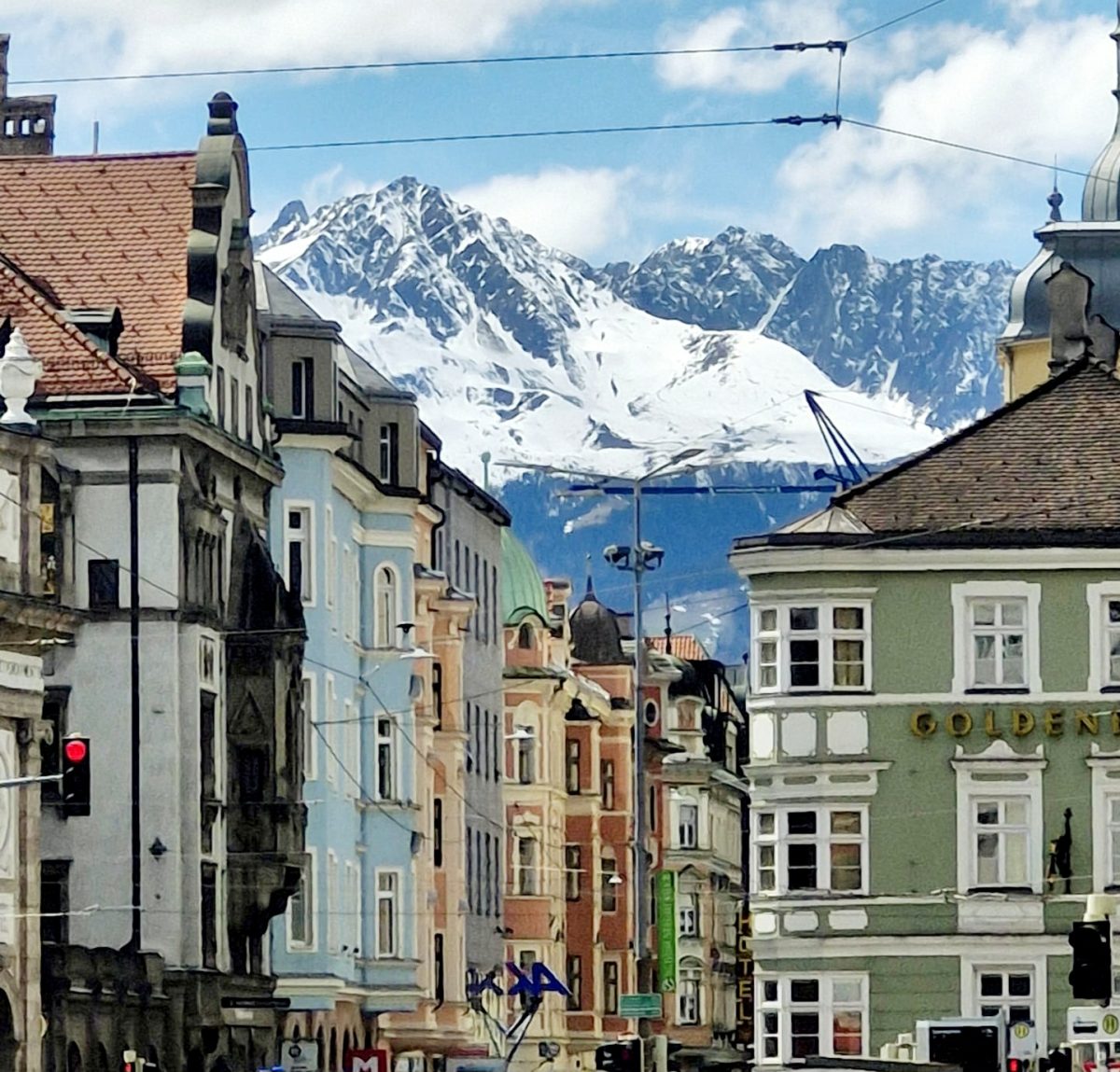
So, what can you do for 17 days in Austria? It turns out quite a lot as we discovered when Vienna, Krems, Melk, Linz, Hallstatt and Innsbruck threw open their travel doors to grant us some memorable sights and experiences.
Our starting point was Austria’s grand capital Vienna, a quick 90 minute flight from Chisinau Moldova.
In this extremely walkable city, we clocked up quite a few kms as we took in some architectural giants along with some of the world’s best museums.
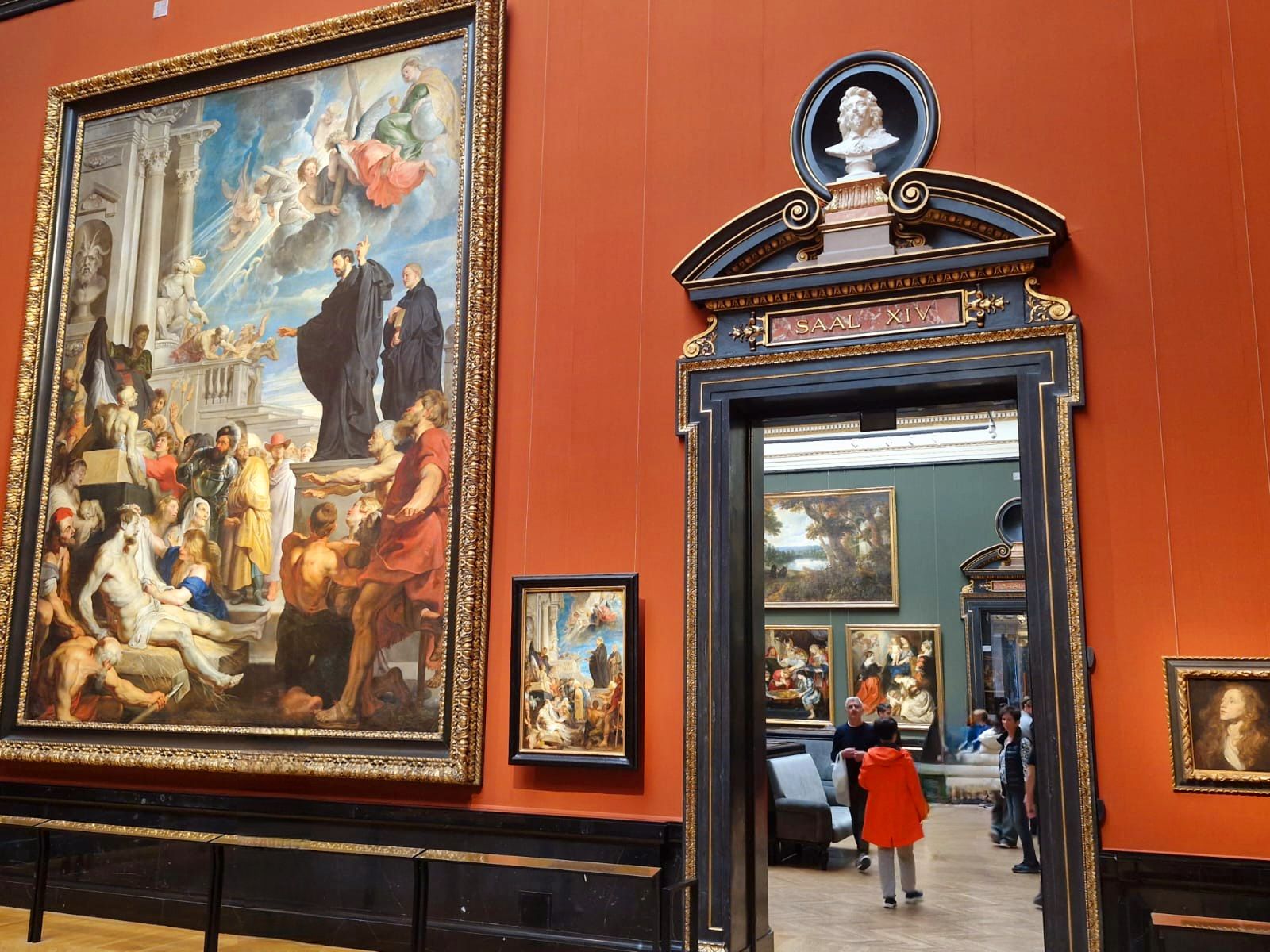
Kunsthistorisches Museum’s grandeur reveals a rich collection of pieces spanning 5 millenia. From Egyptian to European masterpieces, it’s a never ending treasure trove that needs at least half a day to appreciate.




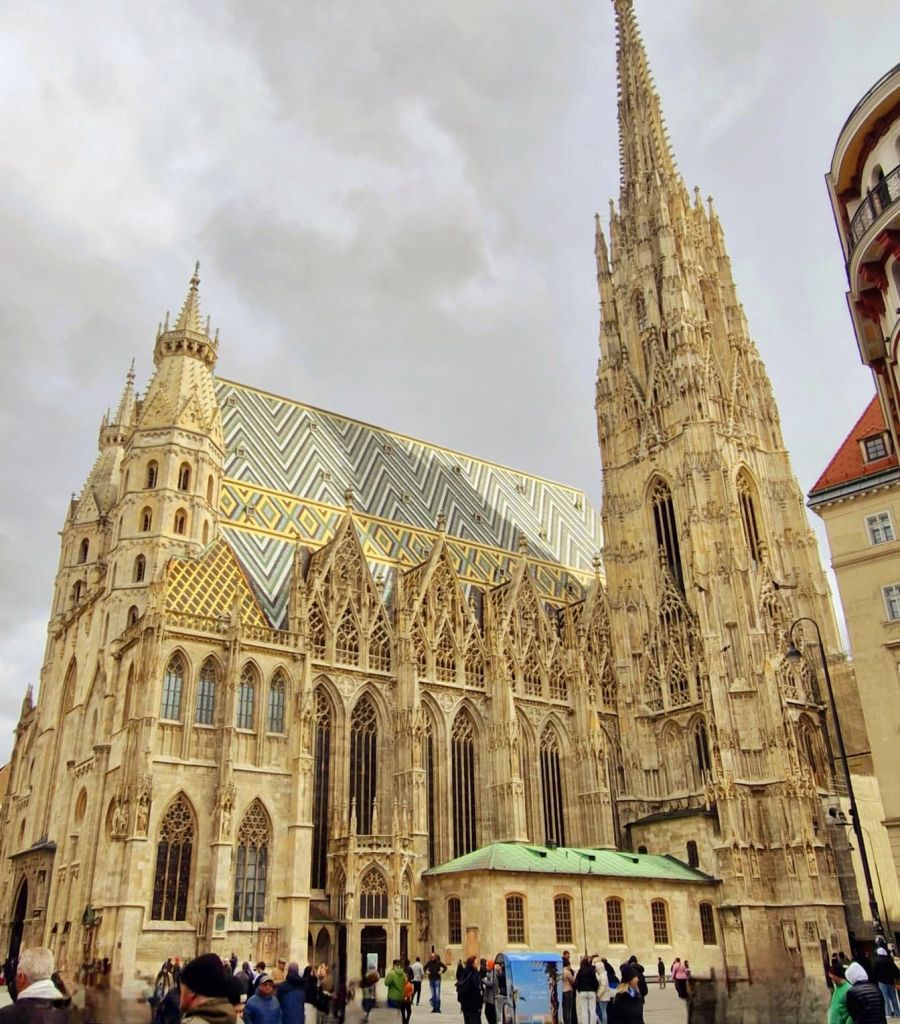
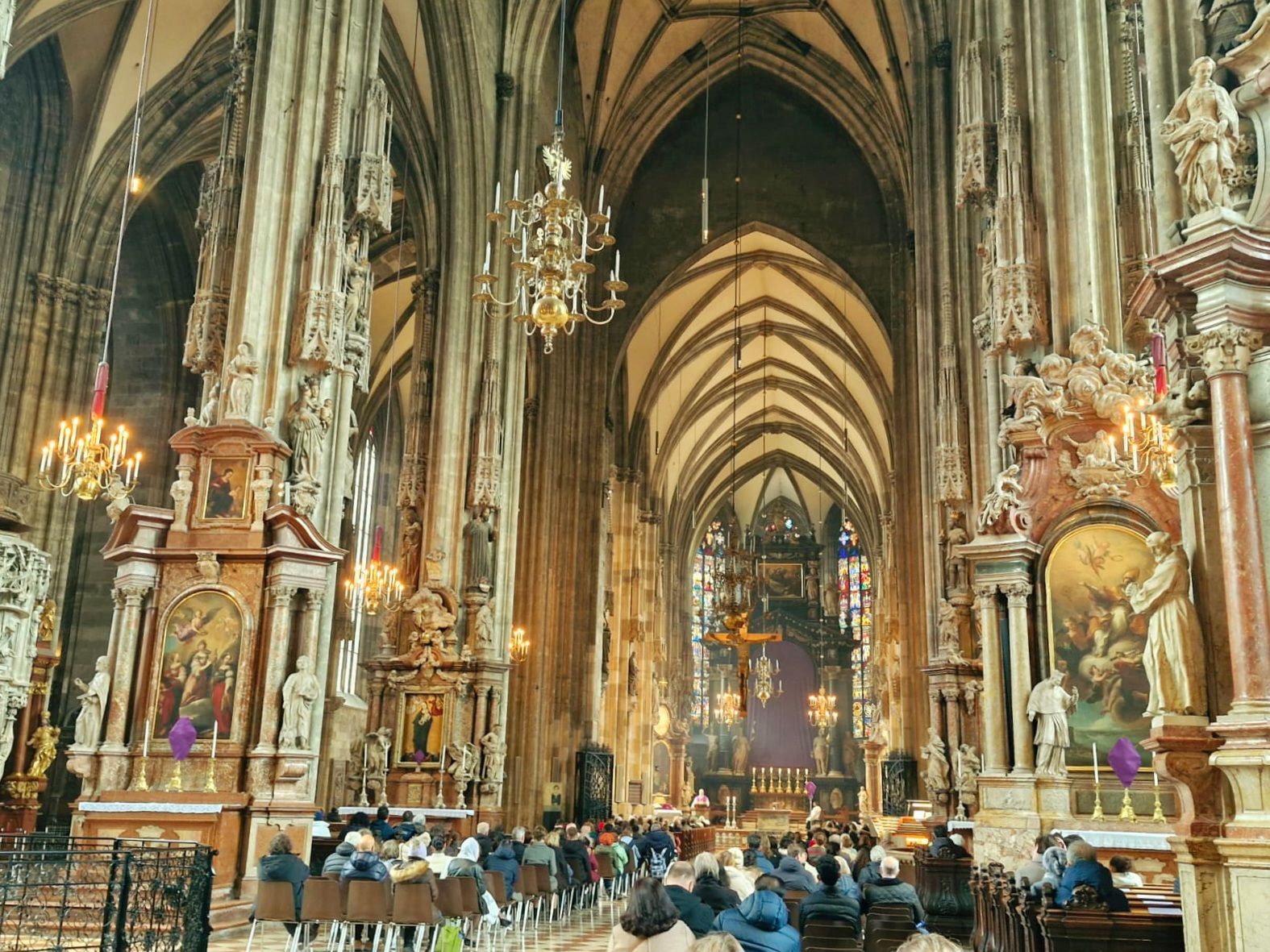
The iconic Vienna landmark St Stephan Church began its life in 1137 and over the years has had numerous additions like towers and bells. A seriously stunning gothic exterior and interior ensure this Stephanplatz beauty remains high on the tourist agenda.
Hofburg Palace built in the 15th century was the winter residence of the Habsburg royal family during the days of the powerful Austrian empire. Much wealth was held by its emperors and different museums here exhibit those extravagant years.
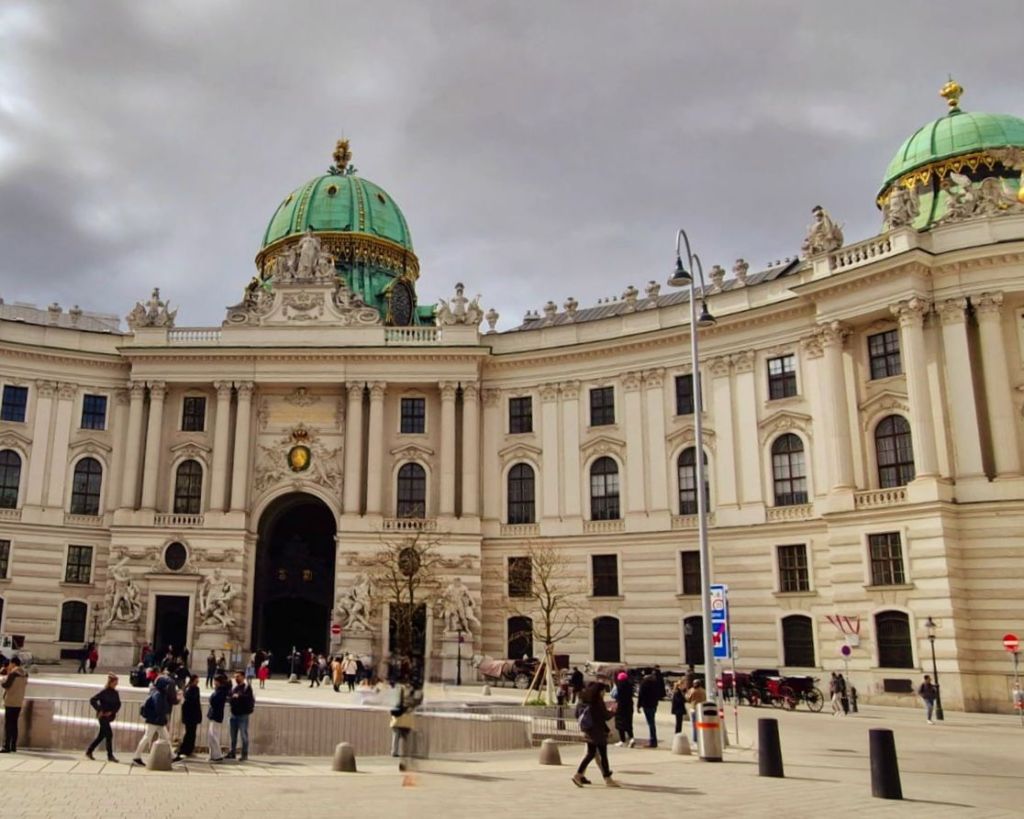

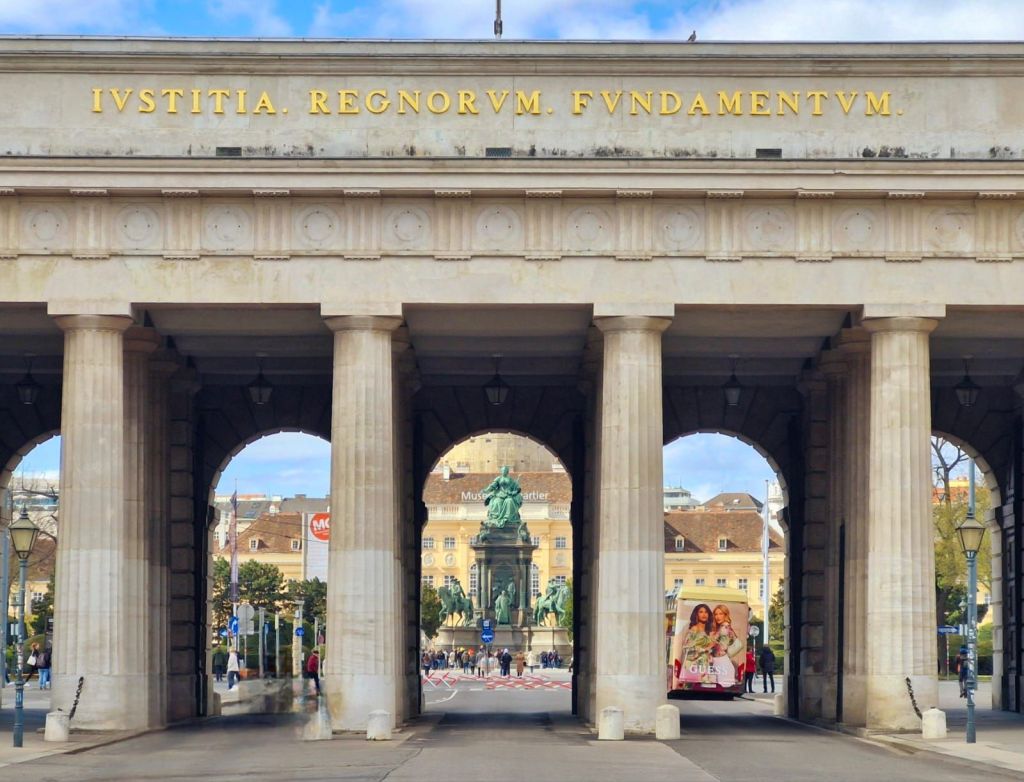


Other equally stunning Hapsburg palaces like Schonbrunn and Belvedere are within easy reach, but not on our agenda this trip.
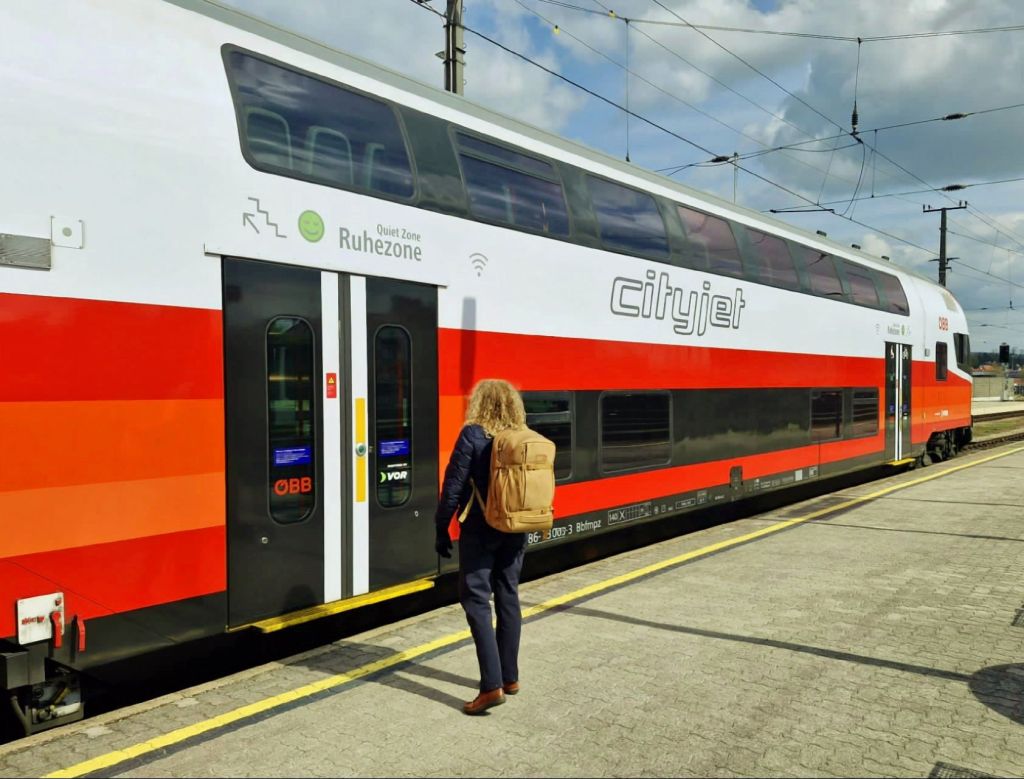
After Vienna, we headed for Krems on the Danube and so began our train trip traversing the northern part of Austria. Small, pretty and cute is an apt description for Krems, an extremely easy town to while away a couple of days. It’s located in the Wachau Valley where grape growing and wine production form the lifeblood of this very pretty part of the world,

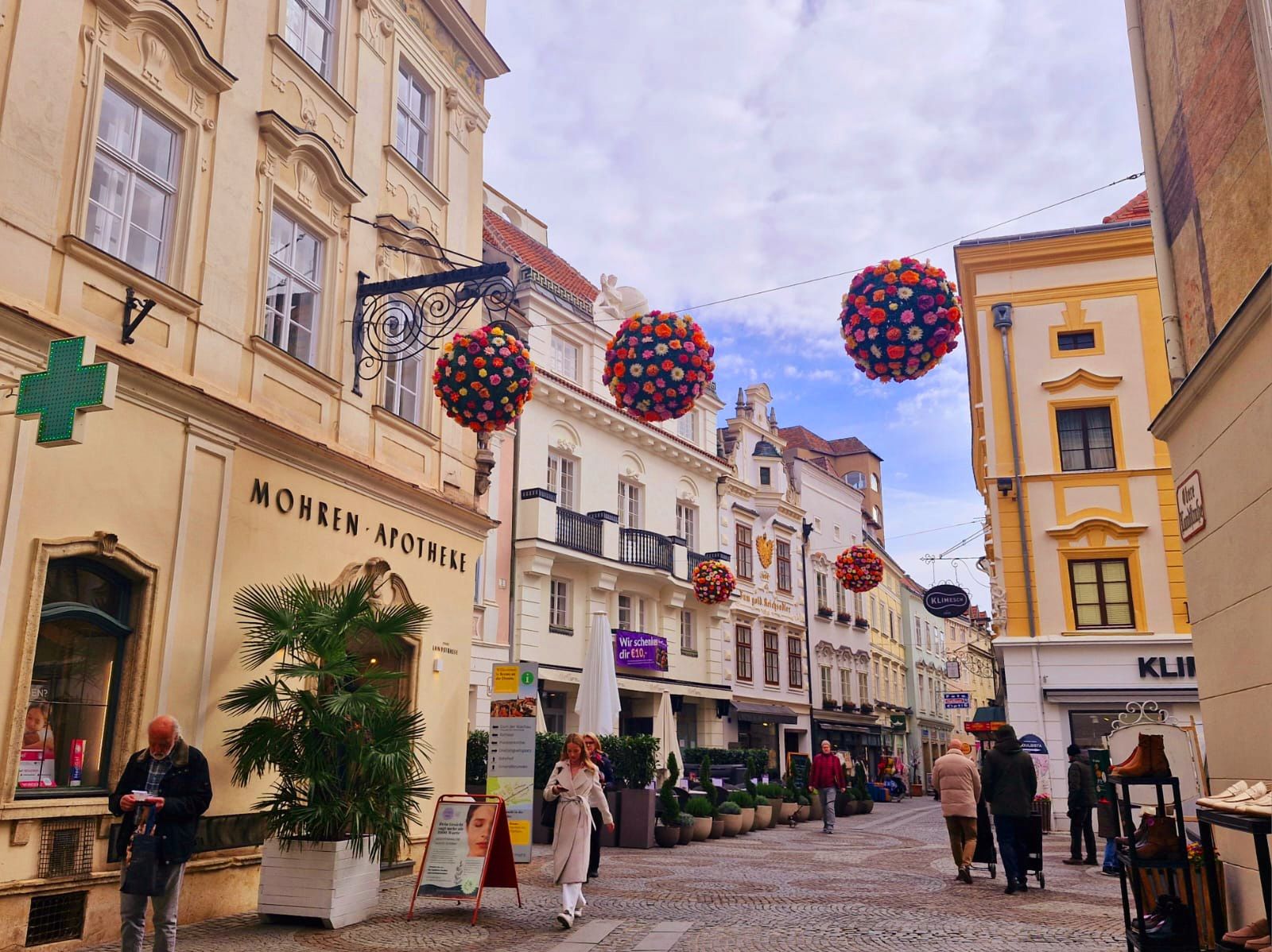
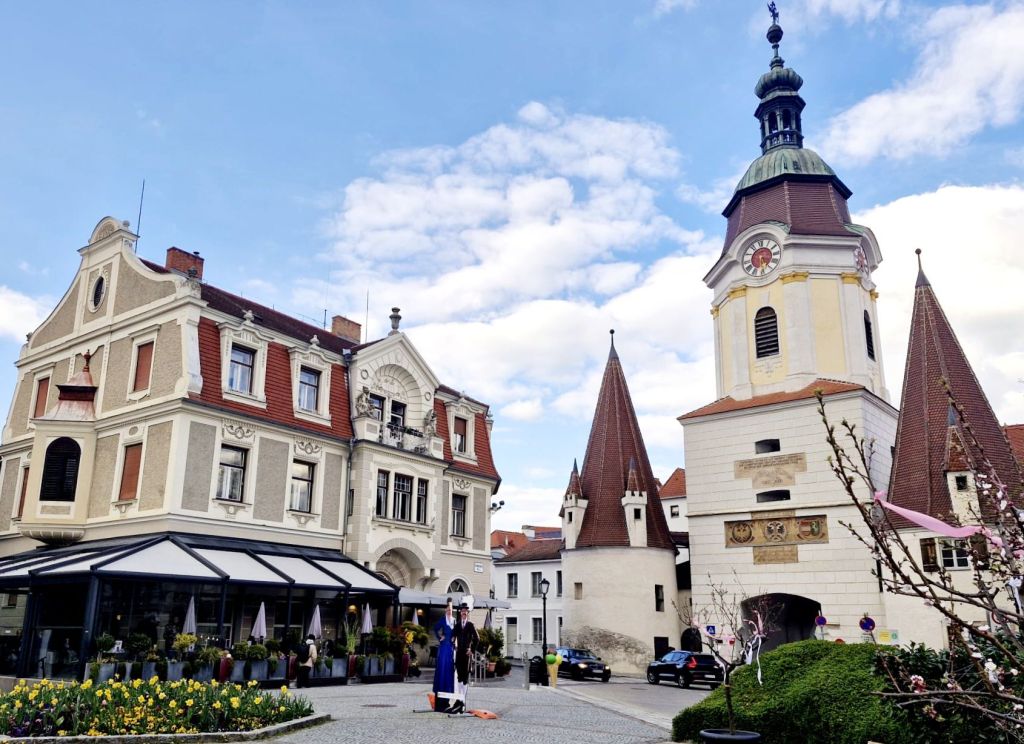
Melk also on the Danube is just 35 kms from Krems. Dominated by an enormous abbey, it makes a good stopover. The Benedictine Abbey was built in the 11th century, then ravaged by fire. The abbey on show today was built in the 1700s. Monks live on site and there’s also a 900 strong school.


We hopped a train from Krems to Melk, but there is also a boat along this part of the Danube which would be a better way to see this scenic part of Austria. If your backpack’s not too heavy, another option is cycling on the paved cycle track.
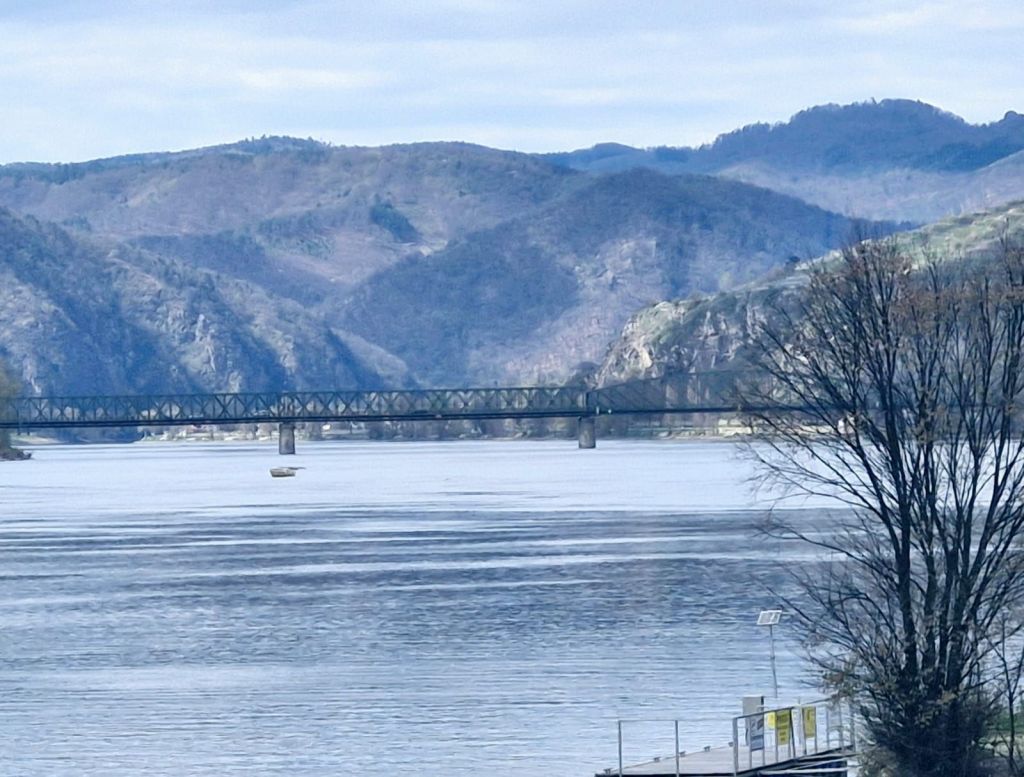
Further along the Danube is Linz which has put its industrial past behind in favour of technology and creativity. The town straddles both sides of Danube, is quite large and had plenty of interesting cobbled alleyways to keep us busy for a couple of days.

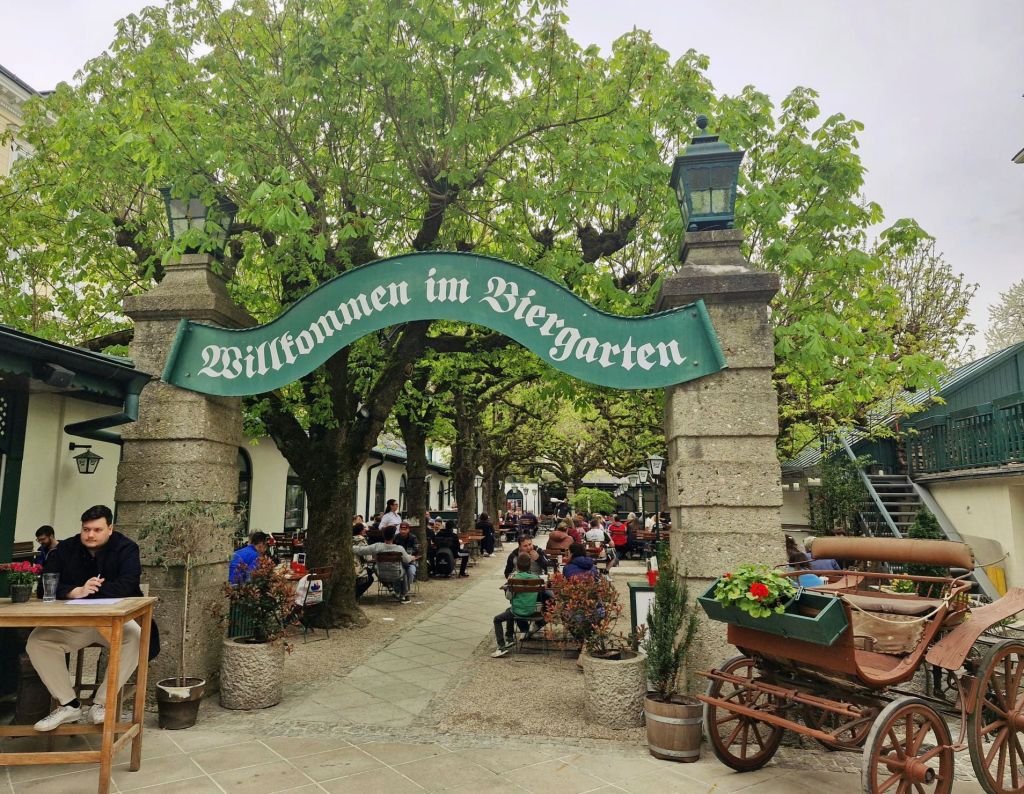
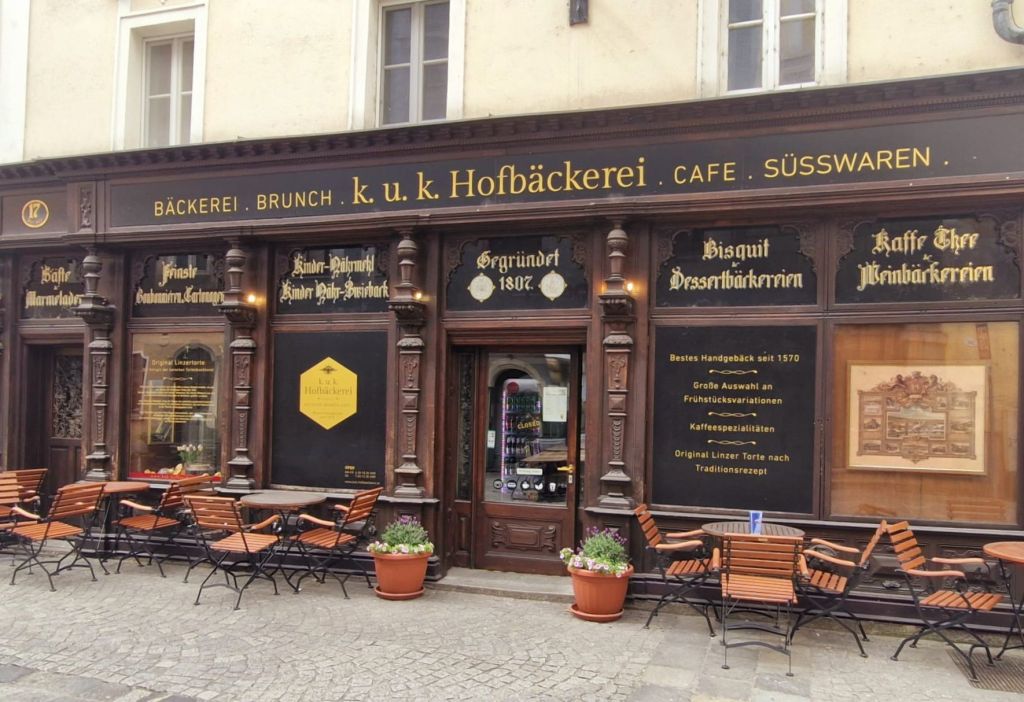

Hallstatt, a UNESCO listed heritage town is our second last Austrian stop and it deserves its accolades. Quaint everything – houses, shops, cafes, hotels is the best way to describe this lakeside town with a salt mine history.
But, the town suffers from overtourism, especially day trippers. Chinese people particularly love Hallstatt. A purpose built replica Hallstatt in China means many visit to see the real deal.
Best to stay a night or two so you can enjoy a quiet morning coffee and pastry in a lakeside cafe before the crowd descends. By mid afternoon, they’re gone, so dinner is especially peaceful.


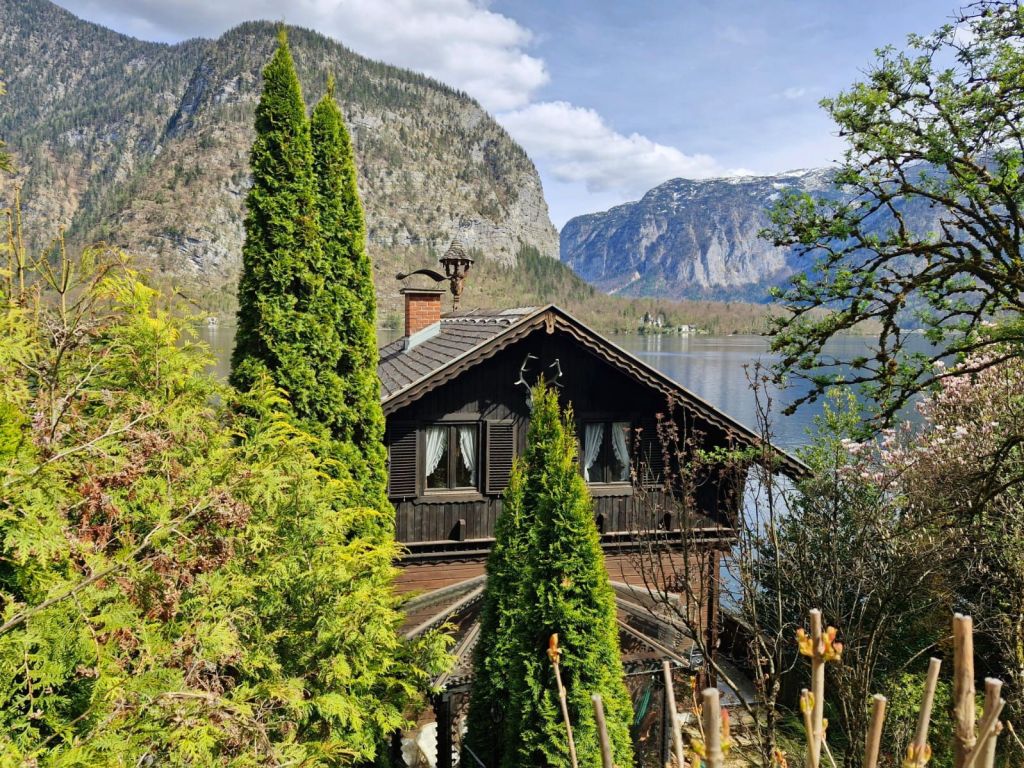
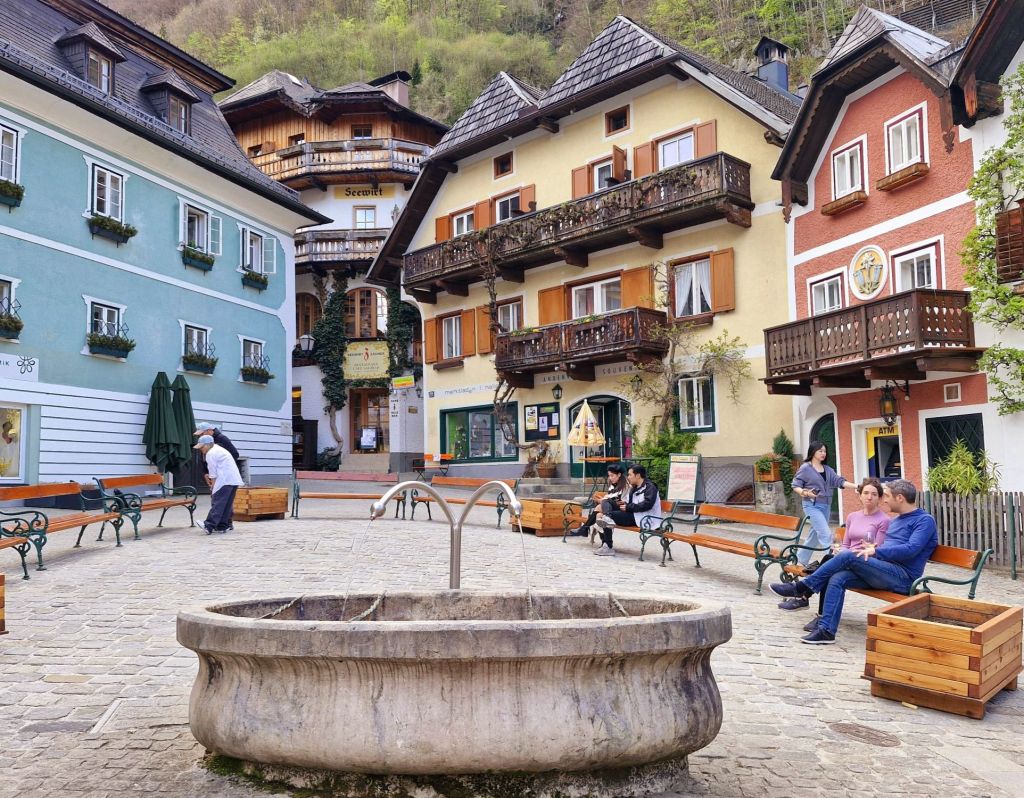

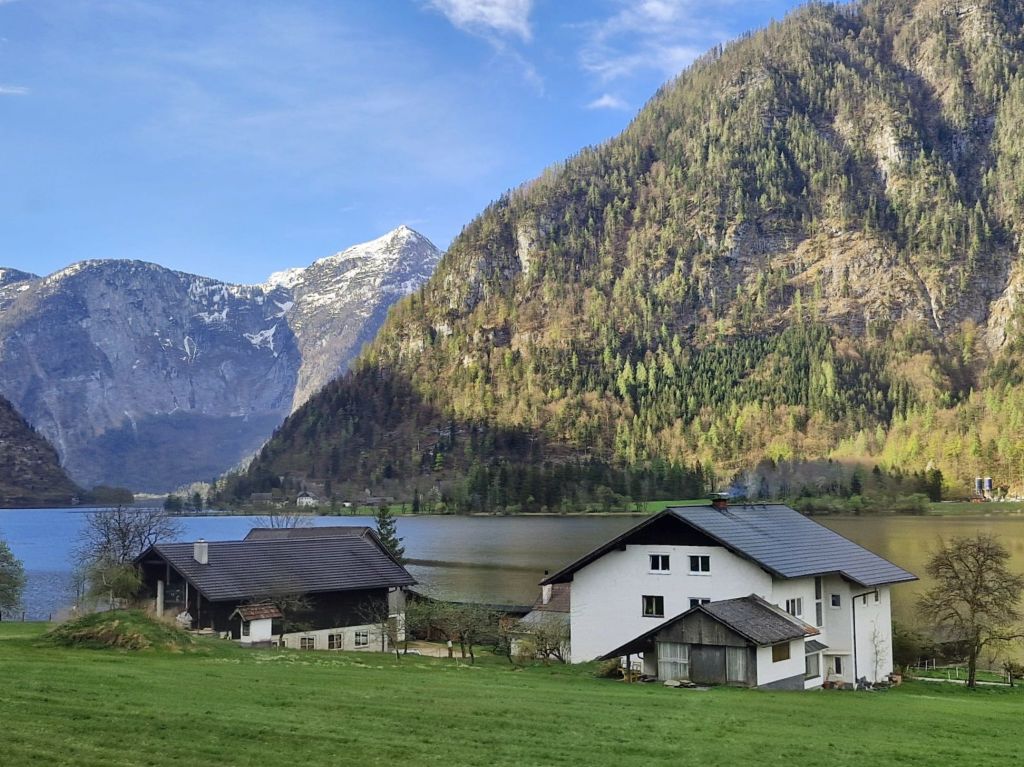
The final Austrian town we visited was Innsbruck, another stunner. The Altstadt (old town) is fairytale stuff, especially popular with Christmas market tourists.
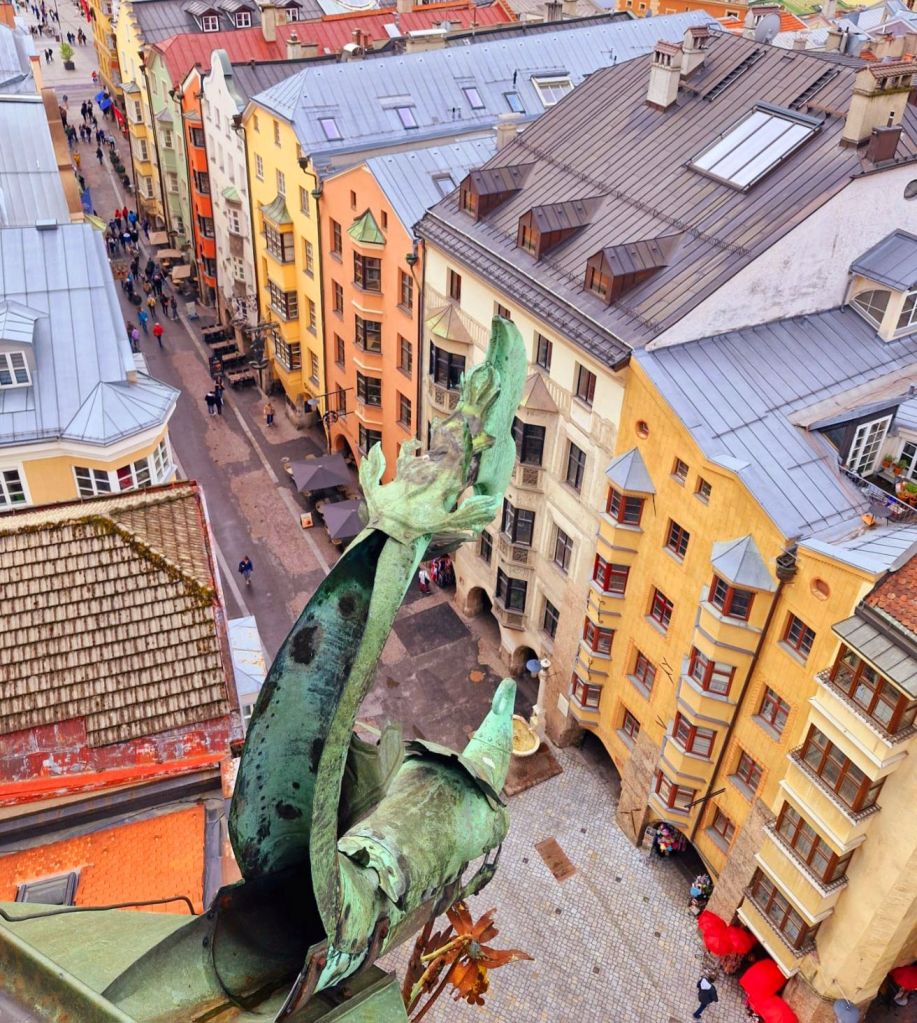

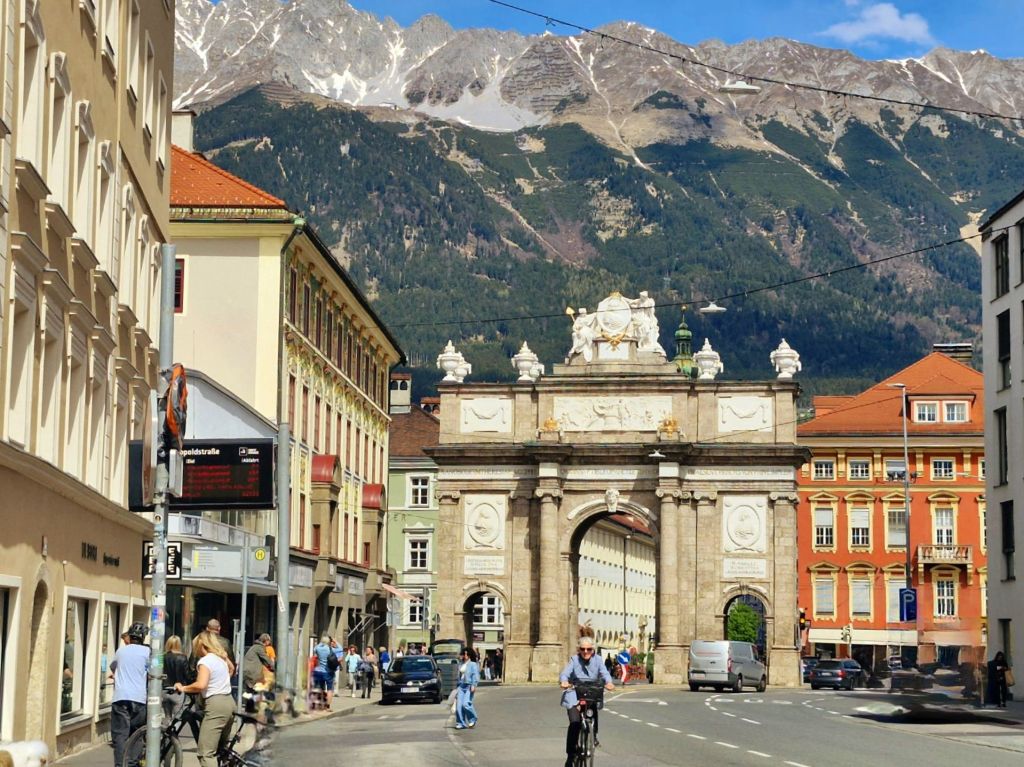

Have to say, in Austria everything falls in line. It’s neat and clean, trains run on time, accommodation is very comfortable, food is plentiful and of good quality, service is friendly, travel is easy. A longer stay would see me add in a couple of spa towns and revisit Salzburg which is particularly lovely.
At this time of the year, the weather was rather cool (0 celsius in Vienna was a testing time), but crowds were thin.
A big thanks to our good friend Manfred who lives in Germany and plied us with some excellent tips for our visit. Loved them all.
We depart Austria today and head south on the train to Mantova Italy where we’ll trade schnitzel, strudel and schnapps for pizza, pasta and spritz.
 Fuelled by travel
Wonderful they have managed to keep so many buildings and history intact.
LikeLiked by 1 person
A bit different to Brisbane with its knock-down approach and facades
LikeLike