Our timing for this trip was a little wobbly thanks to mother nature tormenting us with a cyclone 10 days before departure. Cyclones are unusual in this neck of Australia’s woods; the last being 50 years ago.
Here we are though, back in the travel saddle, bouncing around Moldova in Eastern Europe far from the madding tourist crowd. It was exactly what I was seeking even for just two weeks.
Wedged between Romania and Ukraine, Moldova rates as Europe’s least visited country. But, with an excellent wine industry and good sightseeing, word is destined to spread.
Ottomans, Romanians, Soviets and Russians had past skin in the Moldovan game, but 3.2 million people today are mighty glad they’ve been independent since 1991.
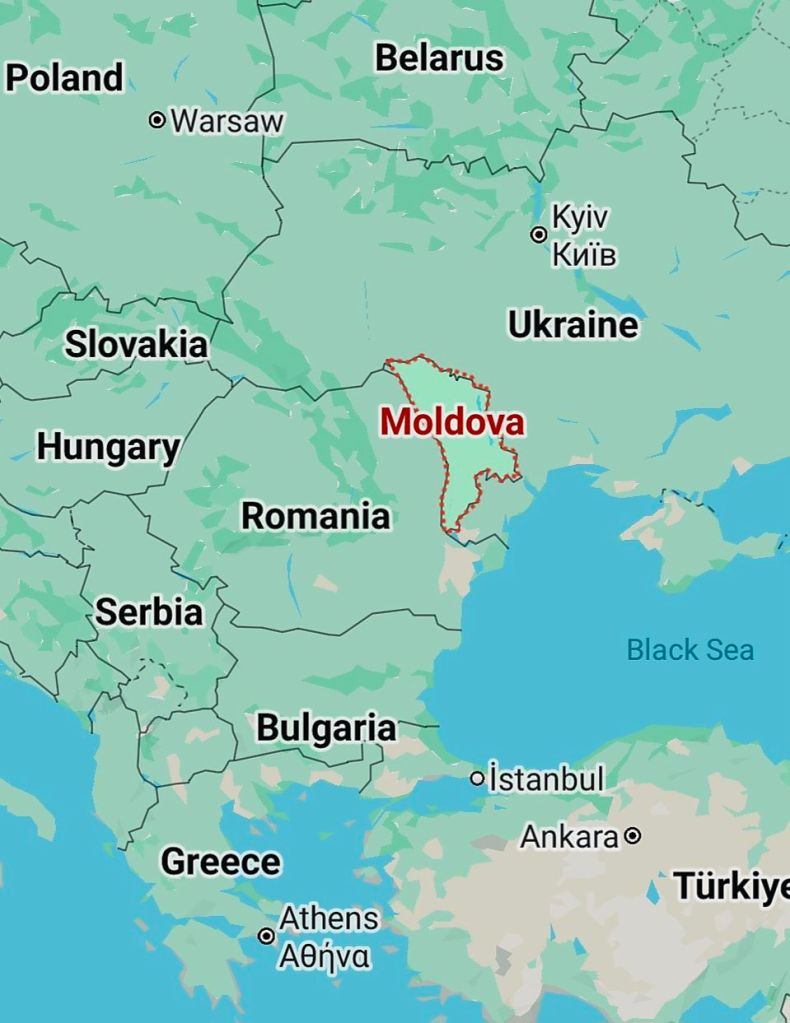
Romania’s national airline Tarom flew us into the capital Chisinau (pronounced ki-shuh-nau) after a few excellent days in Bucharest. Weather wise we Aussies ‘wintered’ it in temps hovering between 10-12 celsius.
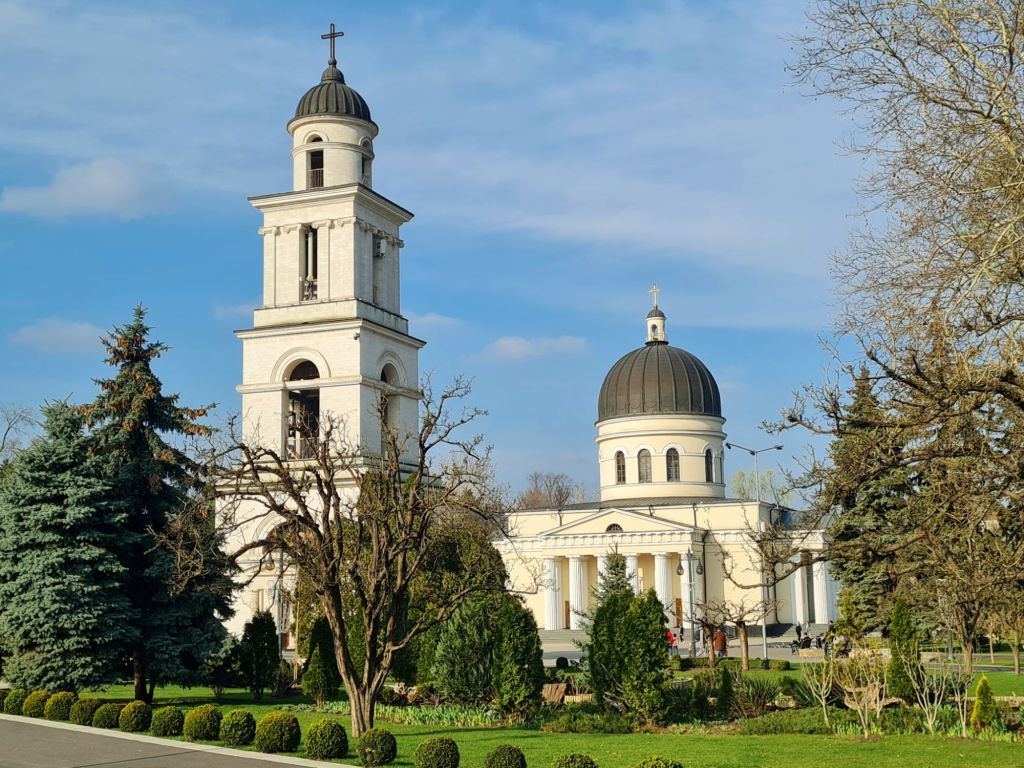
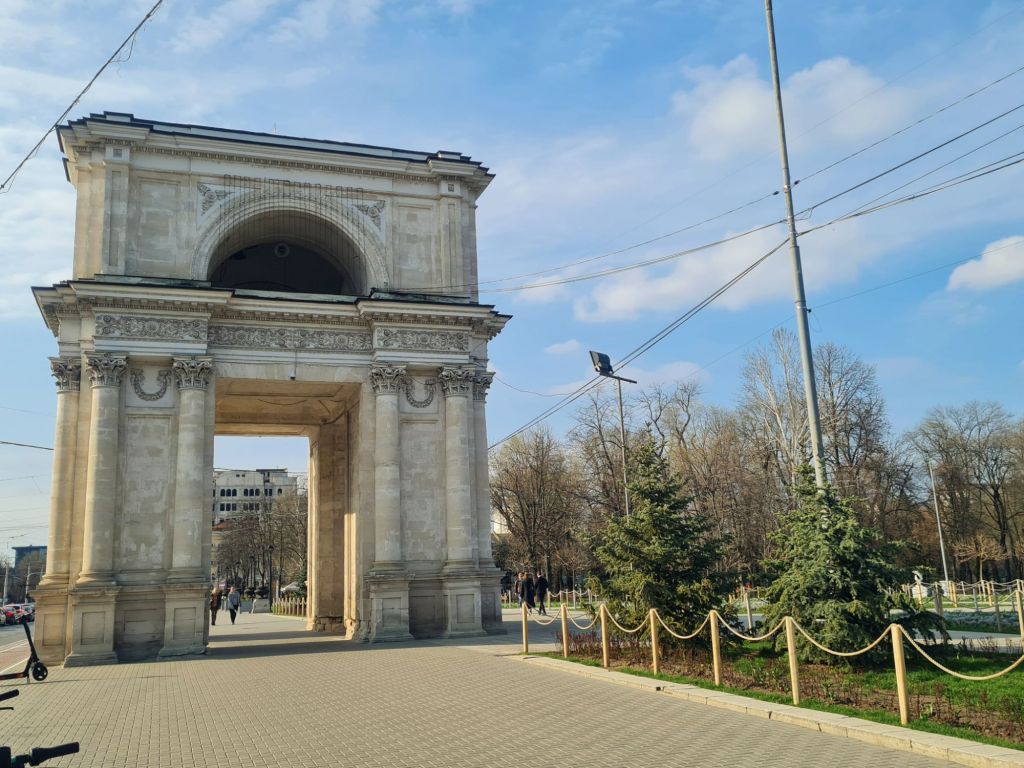
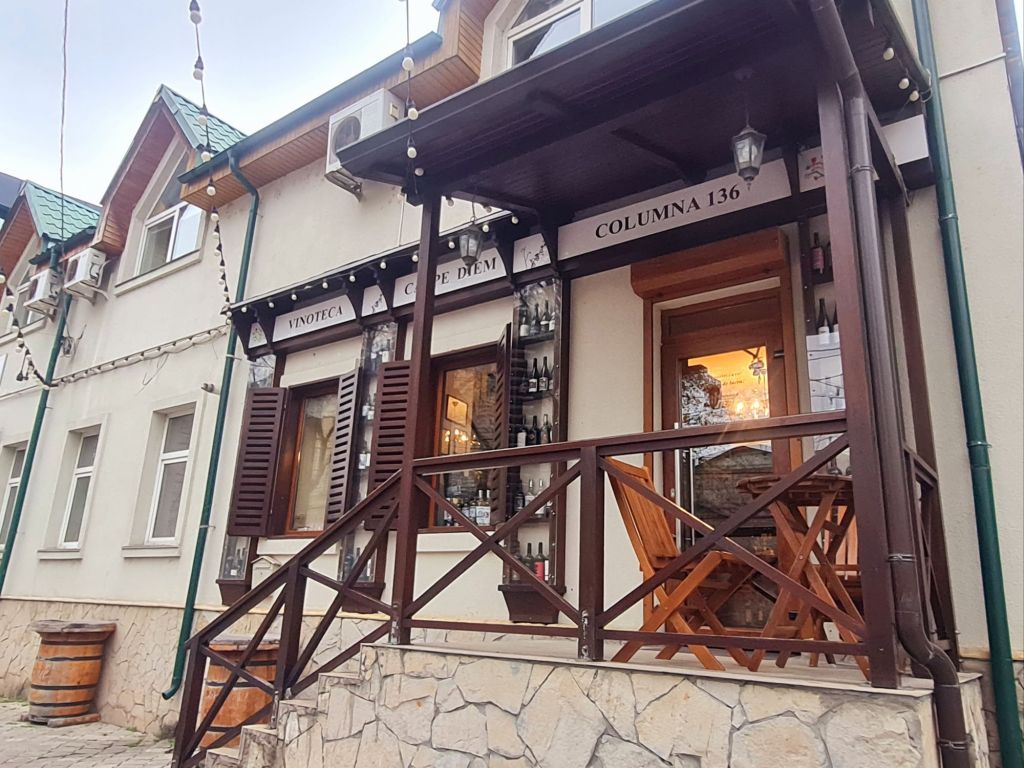
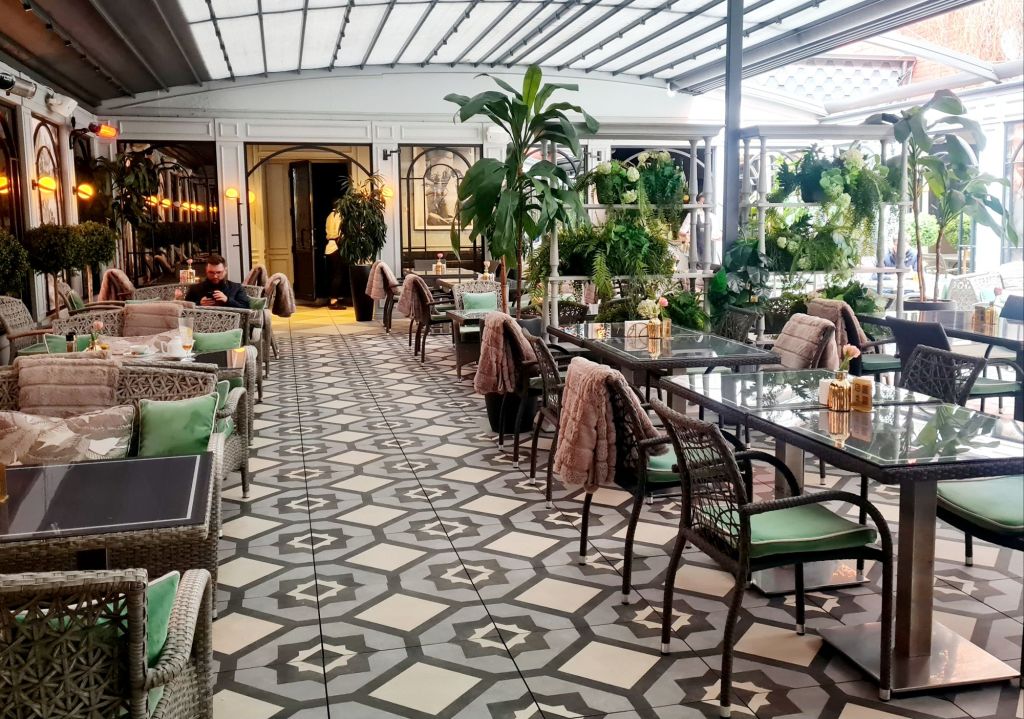
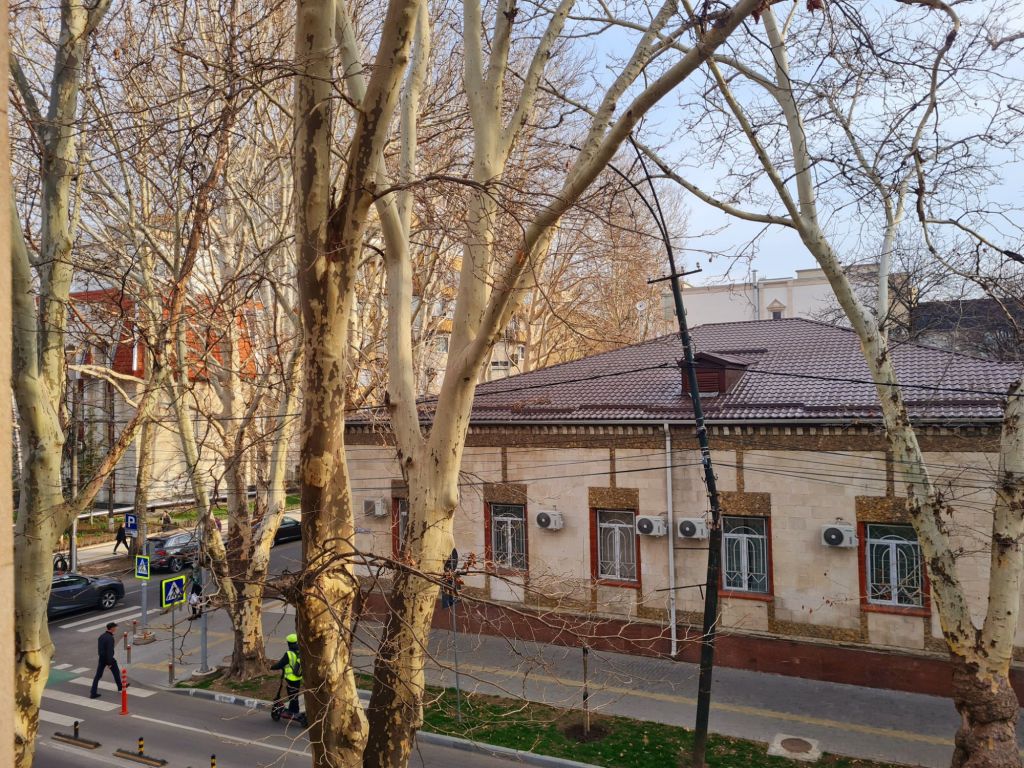
Chisinau is easy to navigate on foot and we had no trouble filling in 4 days. We certainly embraced the sights along with the very strong coffee culture, excellent food and wine.
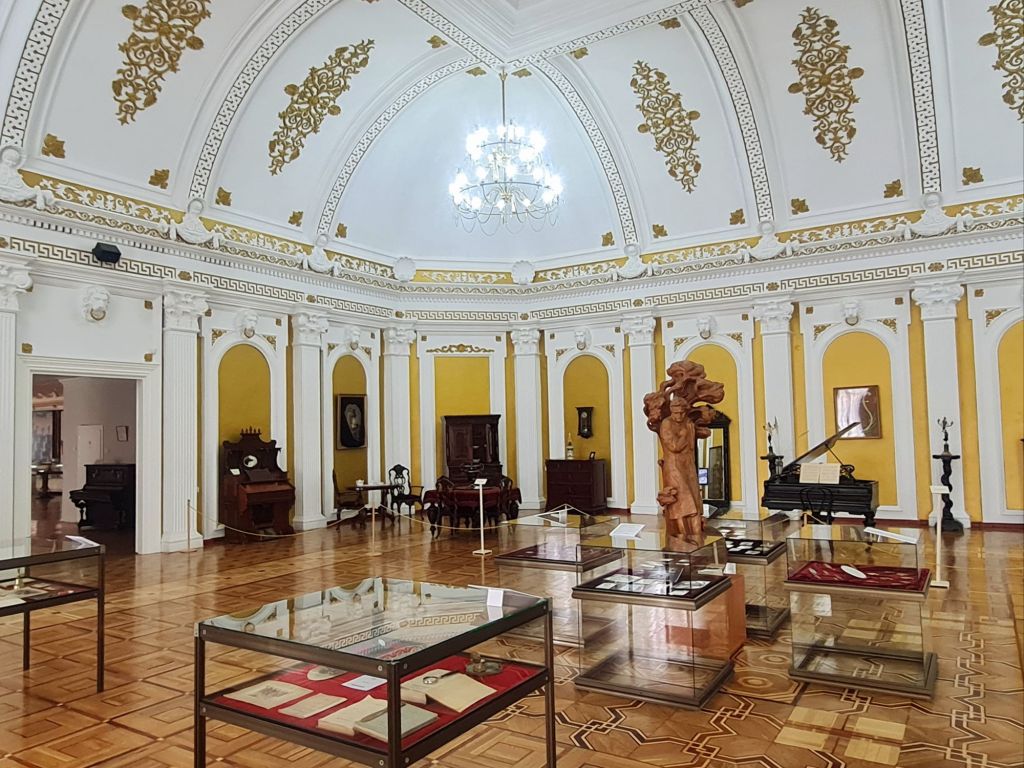
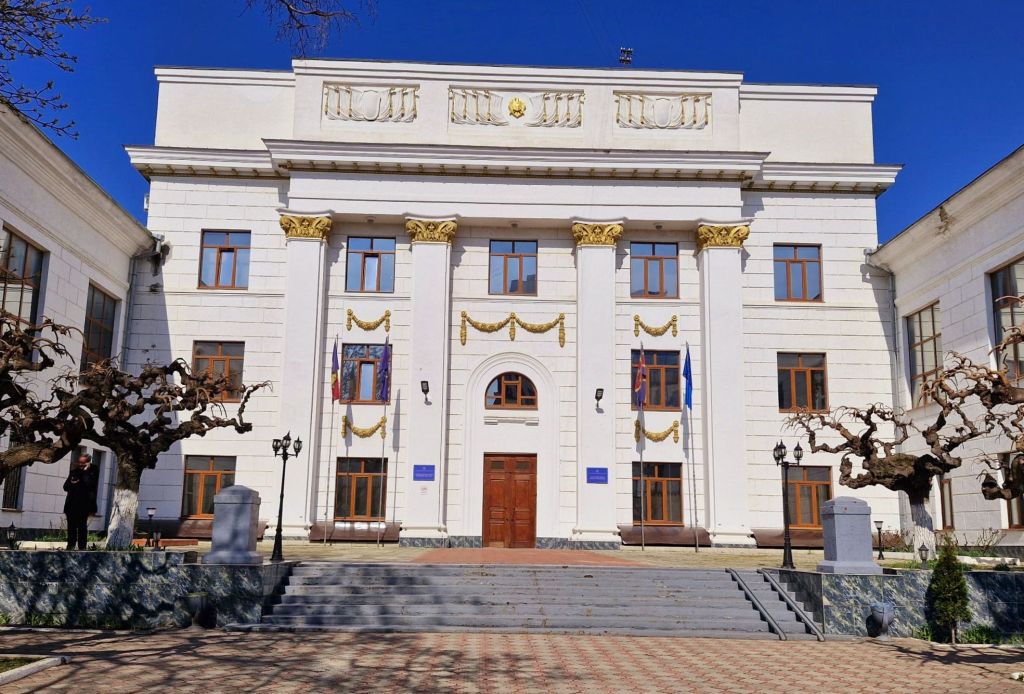
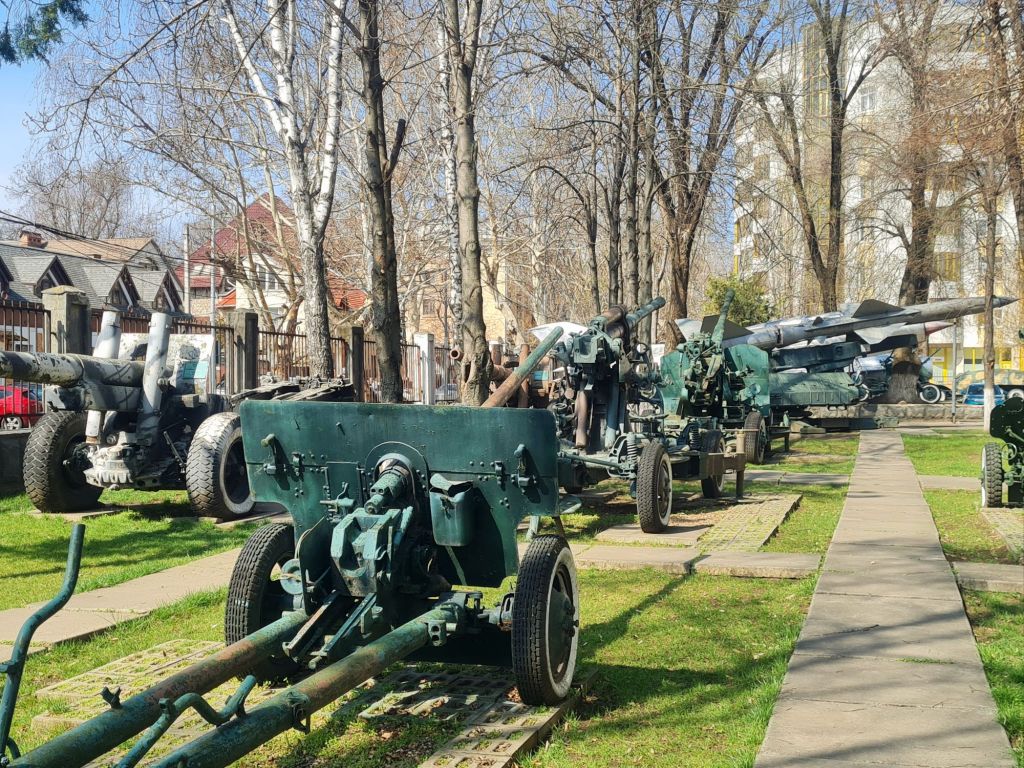
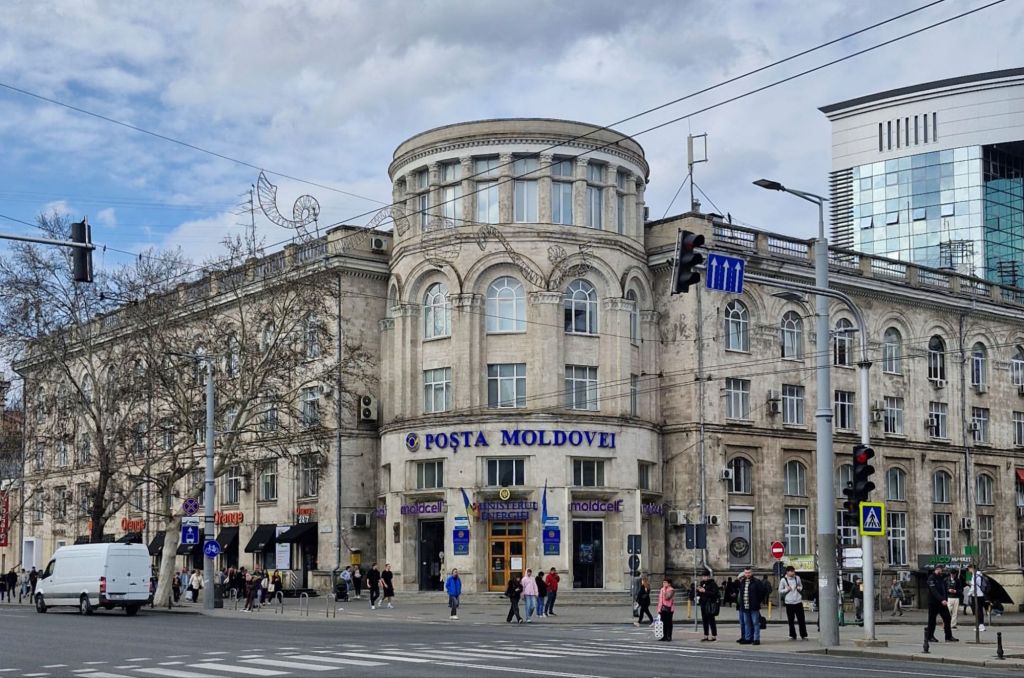
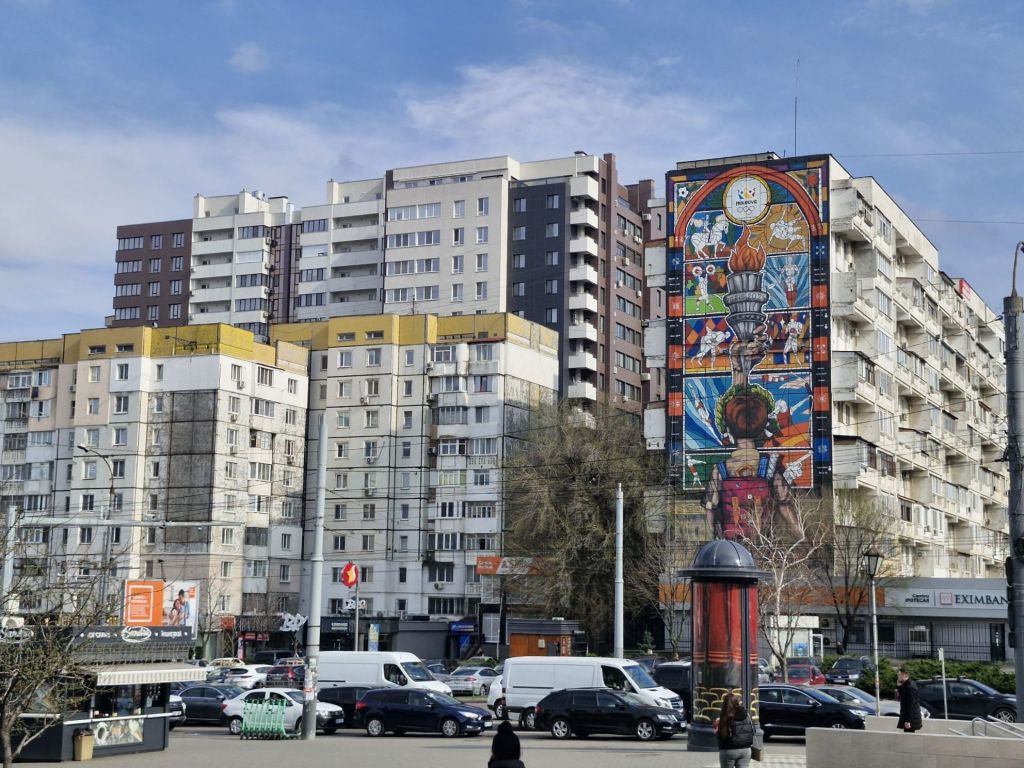
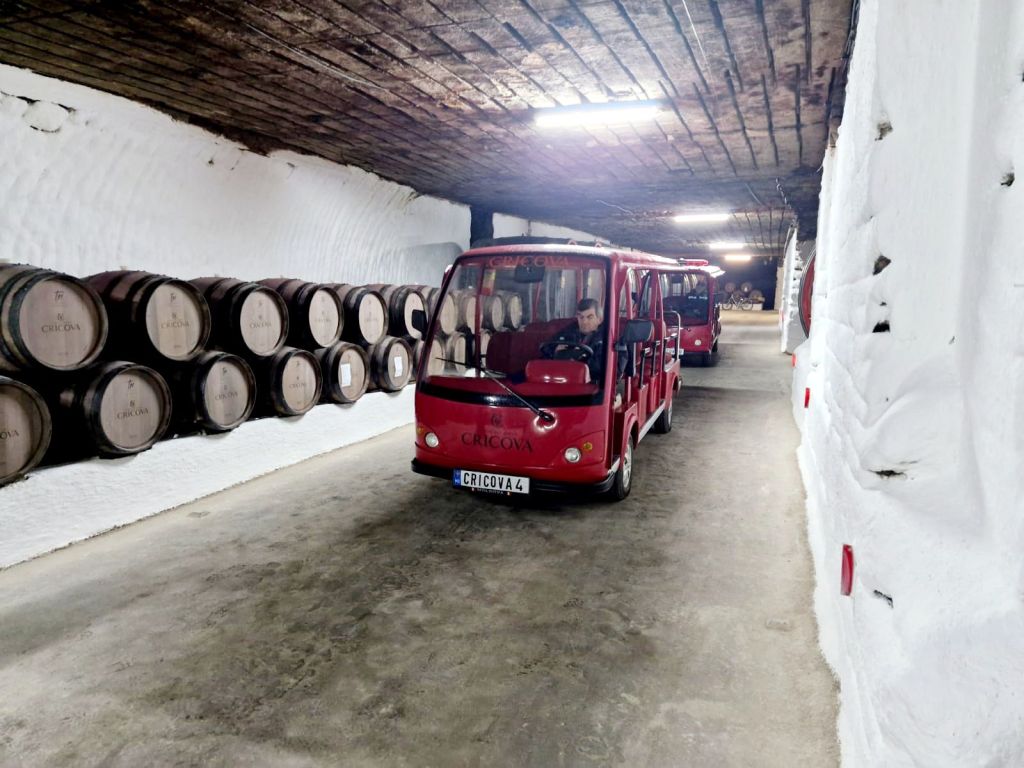
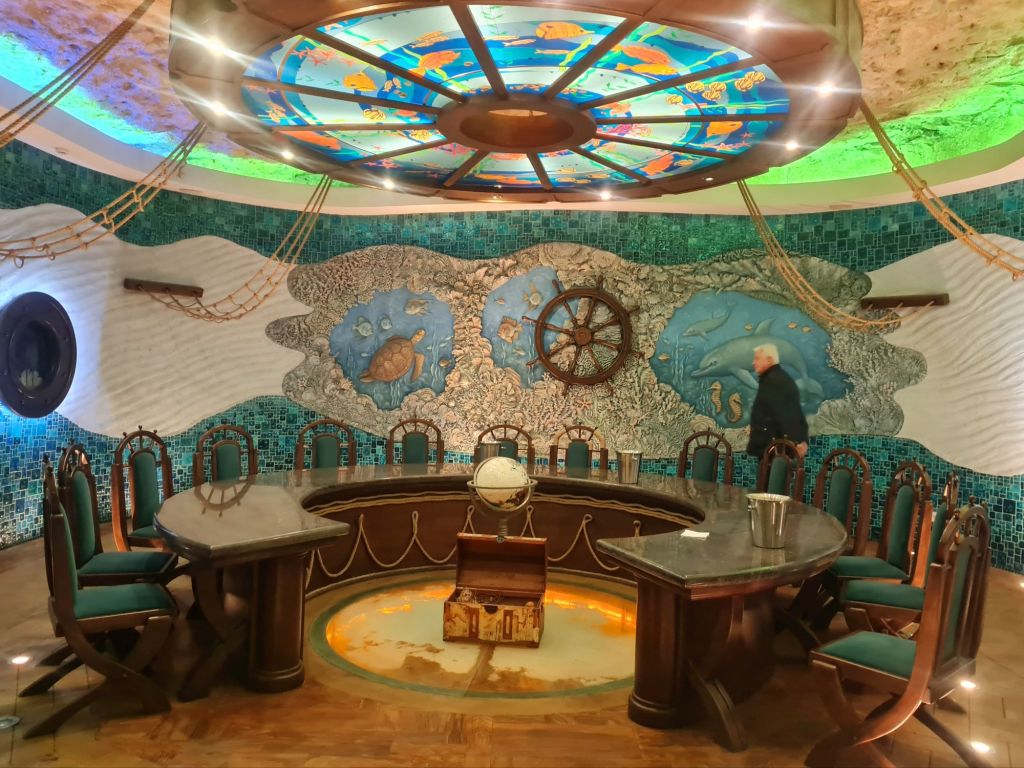
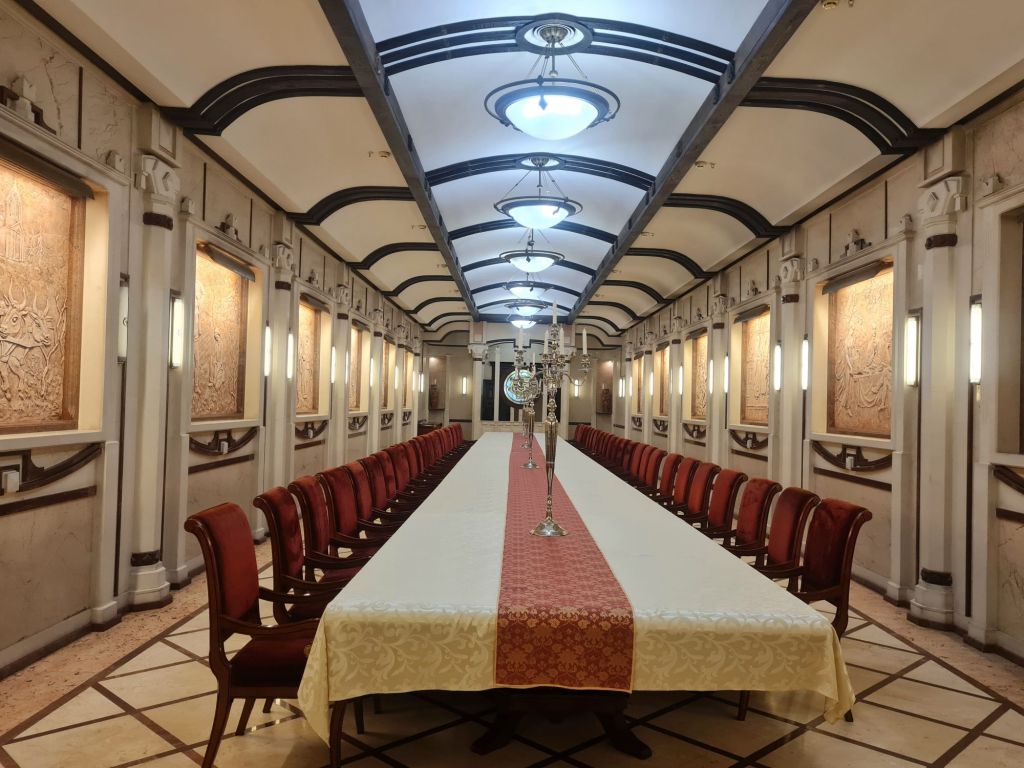
Moldova’s core business is agriculture, particularly wine. Their wines are top notch and wineries like Cricova (a 20 minute taxi ride from Chisinau), have subterranean, cavernous wine cellars stretching for 100kms or more.
Our tour with a most enthusiastic young Moldovan saw us board this little red carriage and make our way into limestone tunnels to a depth of 100 metres.
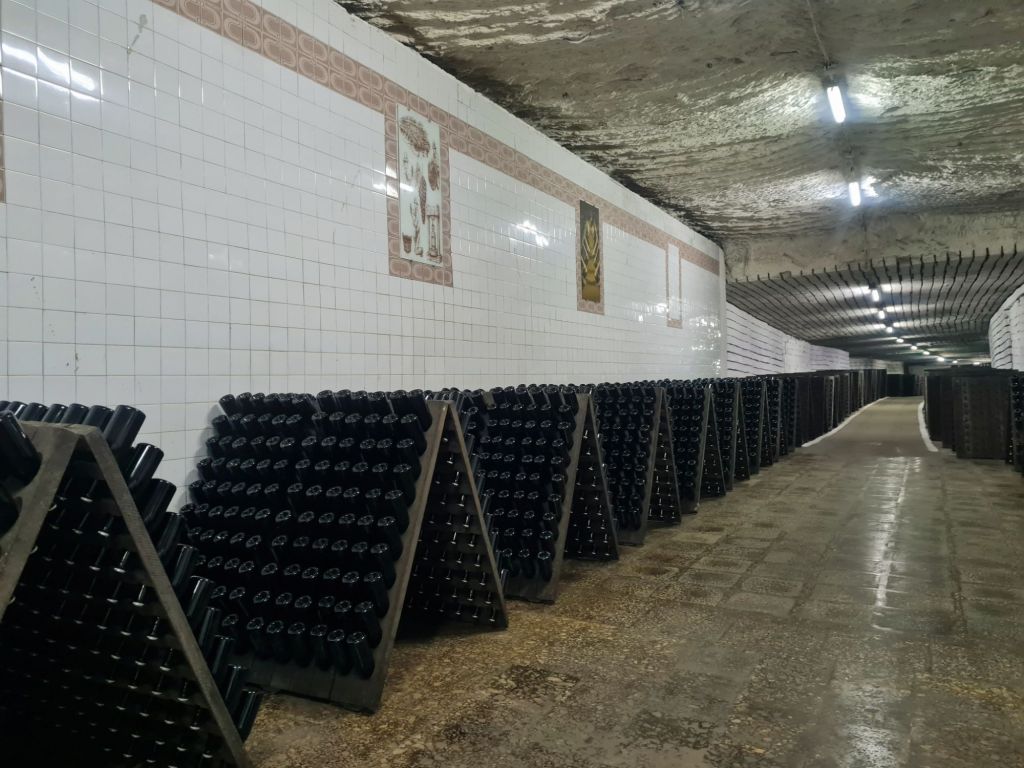
Cricova produces many types of wine, from Pinot Noir, Fateasca Negara, Cabernet Sauvignon, and Merlot to Rkatsiteli and Aligote. Sparkling wine is a firm favourite with 2 million bottles produced a year.
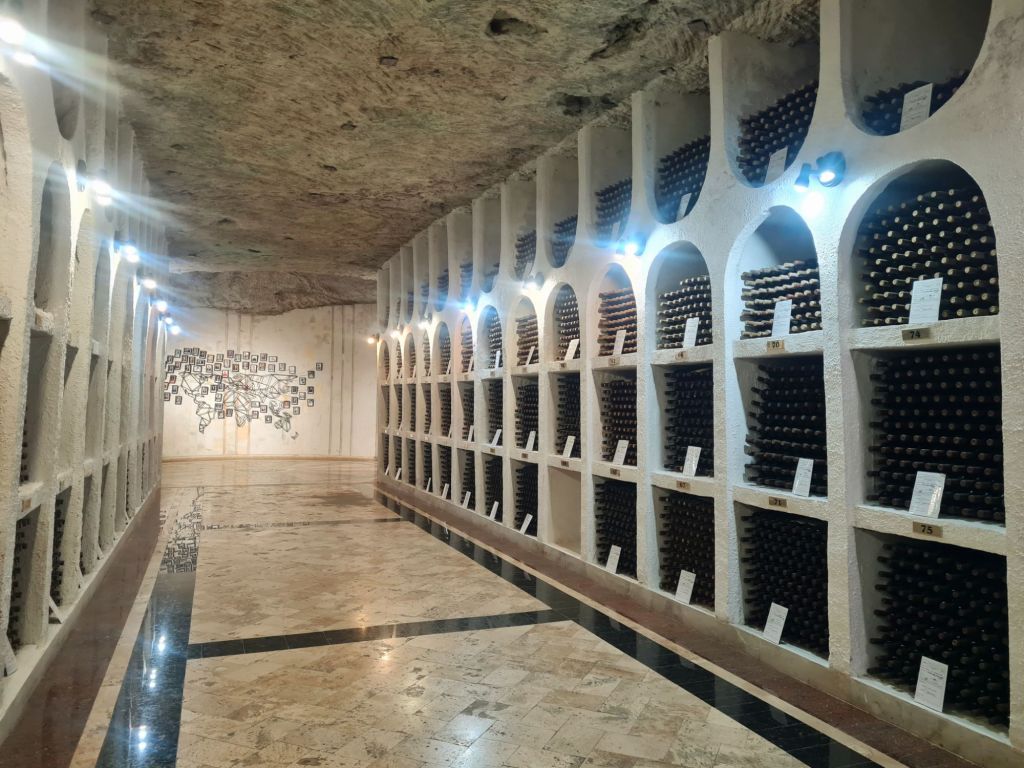
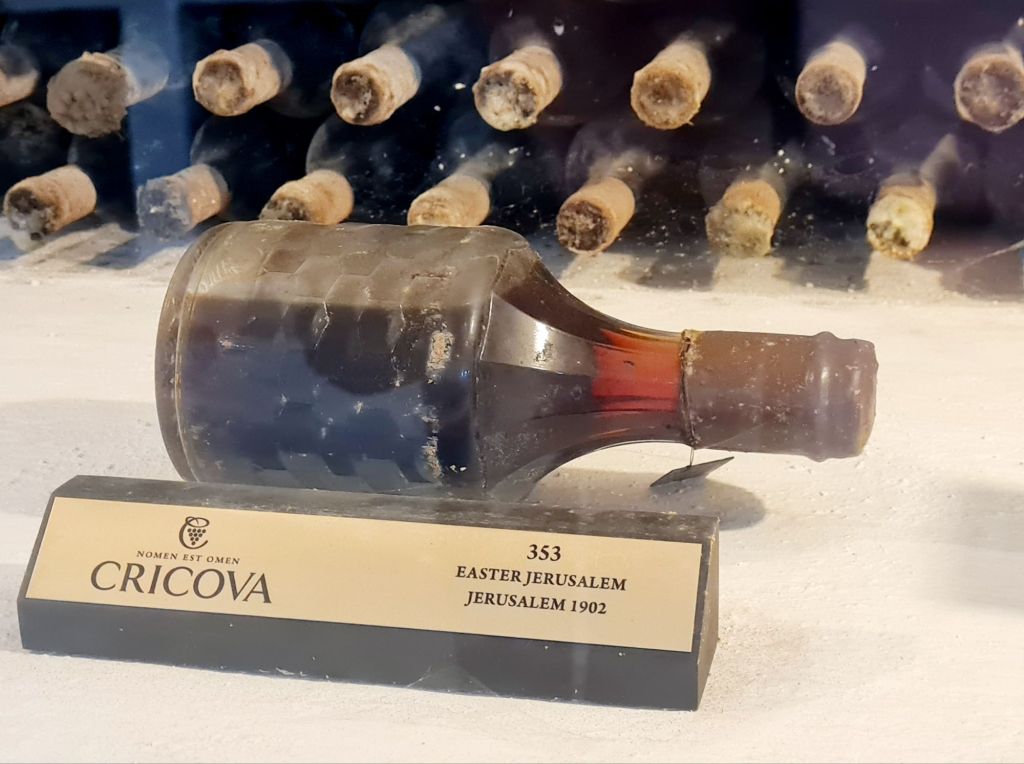
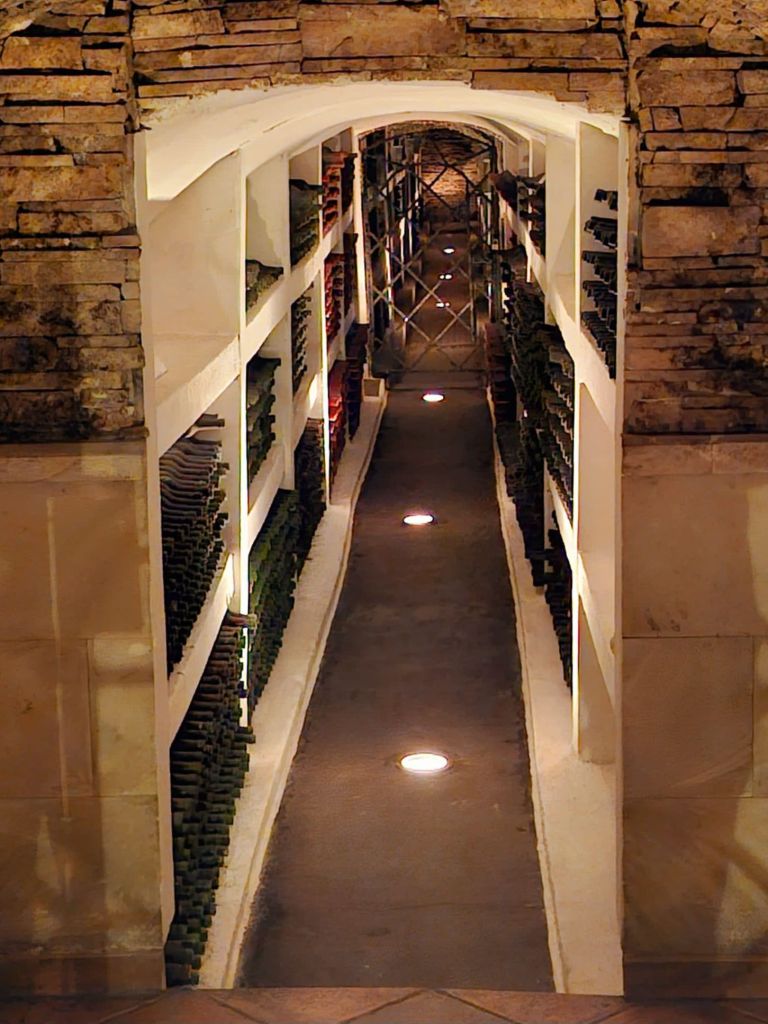
We also wound our way through Cricova Wine Collection which is an underground treasure chest of wines from different countries made in different times. Anyone can store their collection here for around 2000 euro per year. Putin celebrated his 50th birthday at Cricova and owns a sizeable stash that’s stored here. Since the Ukraine war though, it’s been removed from public gazing and relegated to a non descript back area.
Beyond Chisinau there’s much to see and more wineries to visit so we hired a small car from Economy Car Rentals.
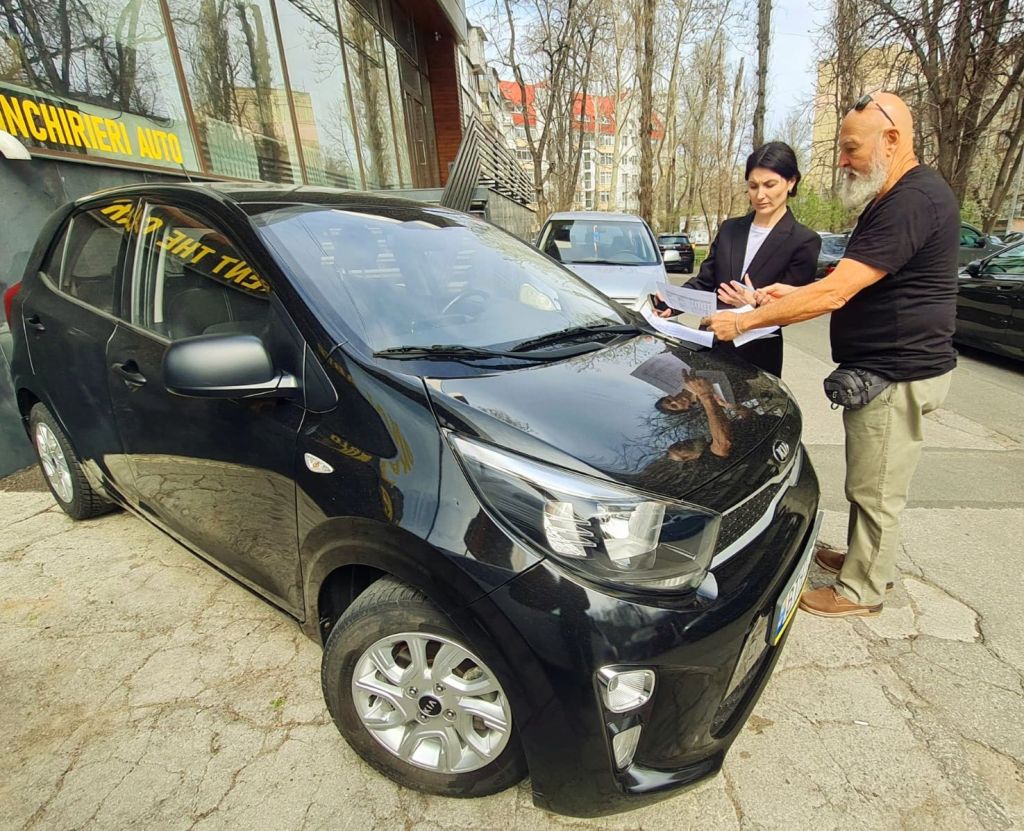
Over 5 days we clocked up 1000 kms on a mix of roads – the well maintained M2 to dirt tracks with deep potholes. On one dirt track we slid undignified into a wide, deep pothole. The car stalled, the right rear end hung suspended several feet in the air. My husband (the driver) was not amused, but in one Herculean lift, we were back on track with just a few scratches. Tip: always take up the offer of car hire insurance
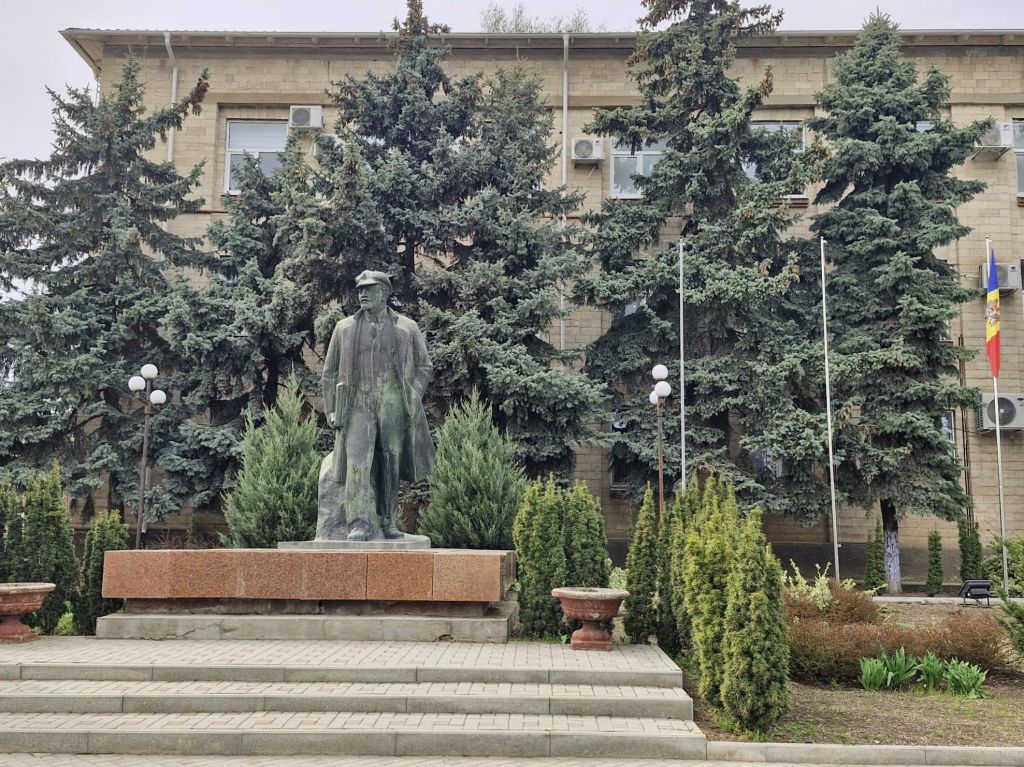
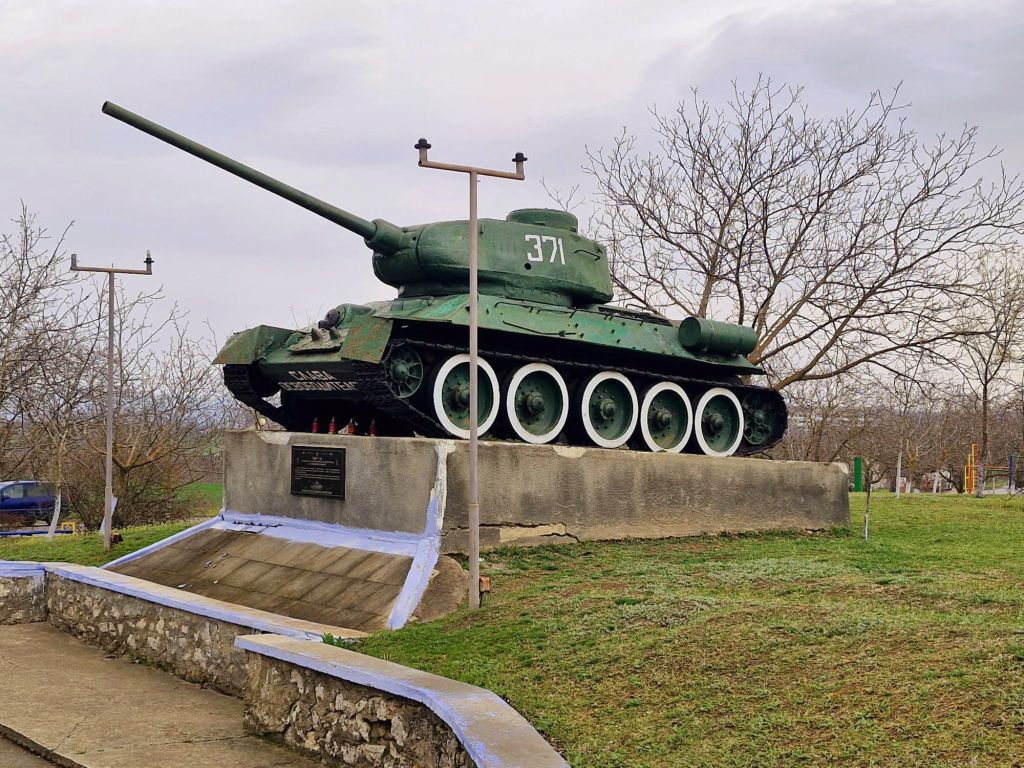
An hour and a half south of Chisinau is Comrat, population 20,000 and capital of the Turkish pro Russian enclave Autonomous Territorial Unit of Gaugazia. The town is deeply wedded to its soviet past.
Comrat gets few tourists which is surprising because it’s an easy town to walk around and potter. Teenagers are aplenty and they’re a smiling, laughing lot (the world’s only Gaugaz university is here offering 1500 students 4 courses in economics, agronomy, law and national culture), our Hotel Caral on Strada Lenin not far from Lenin’s statue was very comfortable and we met some lovely people.
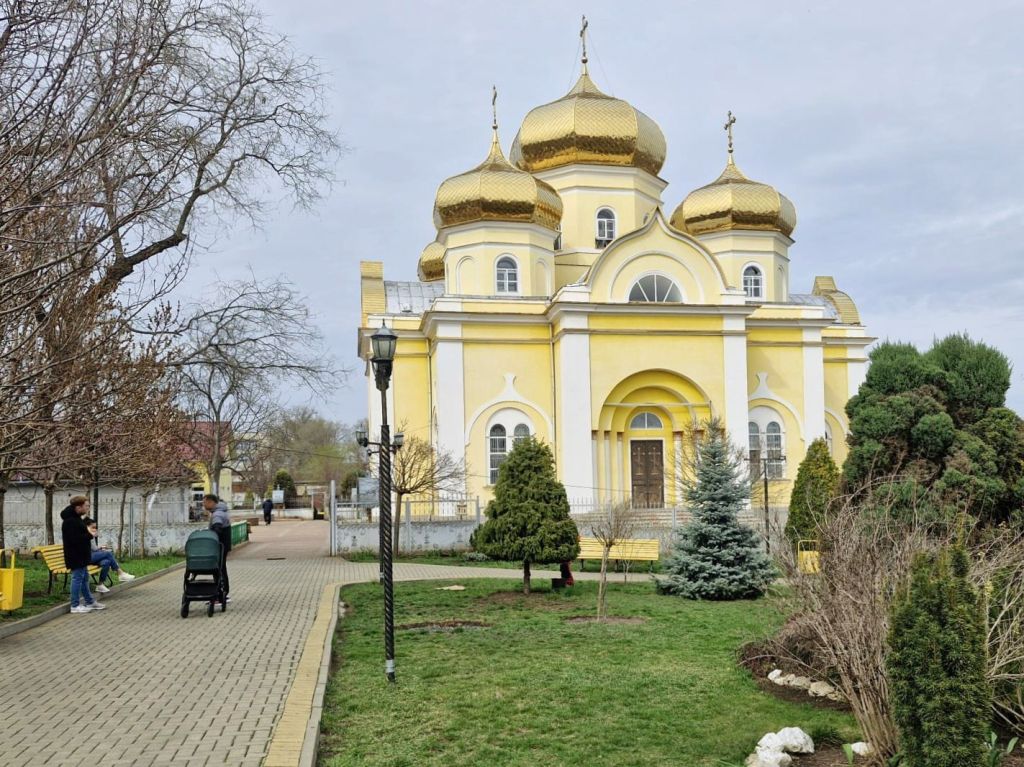
Cathedral Saint John the Baptist
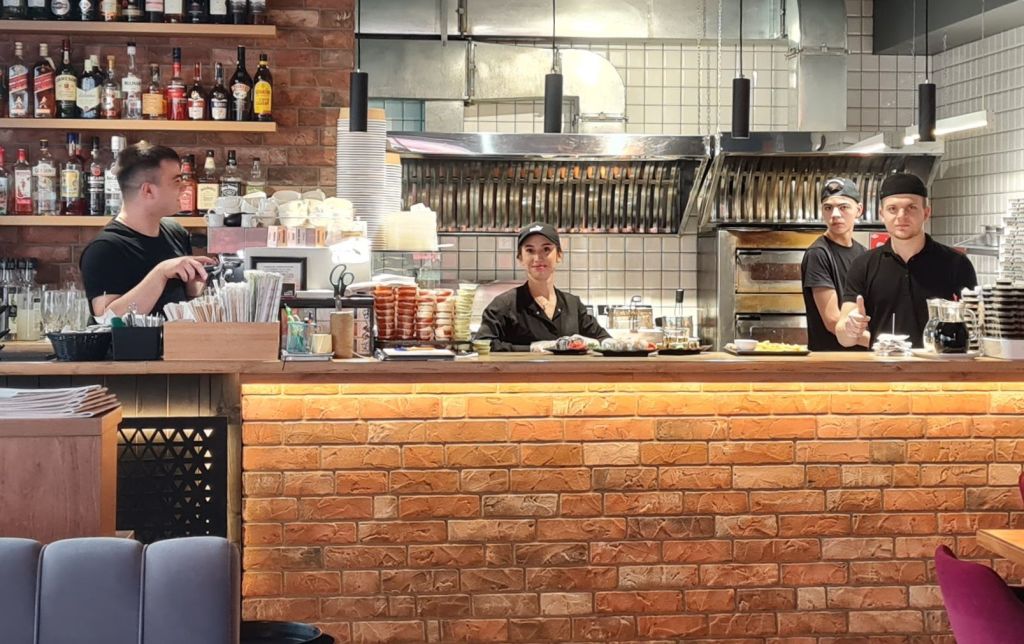
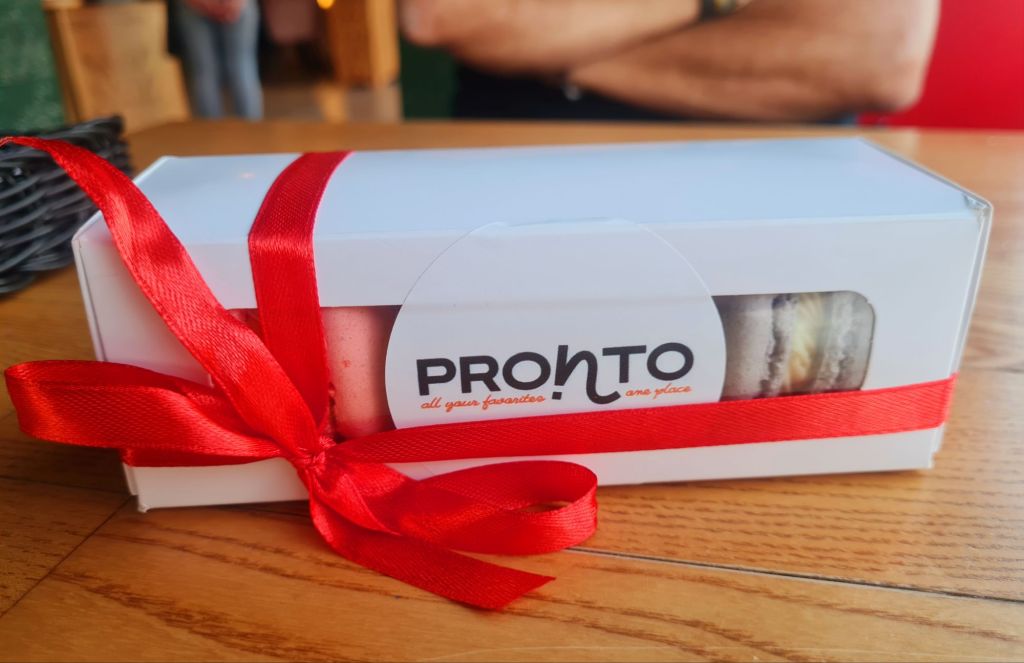
It was in Cafe Pronto that we had a most interesting encounter. Naturally, Russian is the official language spoken here so we were totally unprepared when a young lady spoke to us in perfect English. Turns out her family own this very large restaurant that is divided into several attractive areas and she was keen to converse. She spoke sincerely of her ambition to skill young people and keep them in Comrat rather than seek employment in Russia, Romania or Italy. Noble indeed. Certainly left an impression on us.
As we were leaving, she presented us with a box of 3 perfectly crafted, melt in your mouth macaroons. Her kindness spoke volumes.
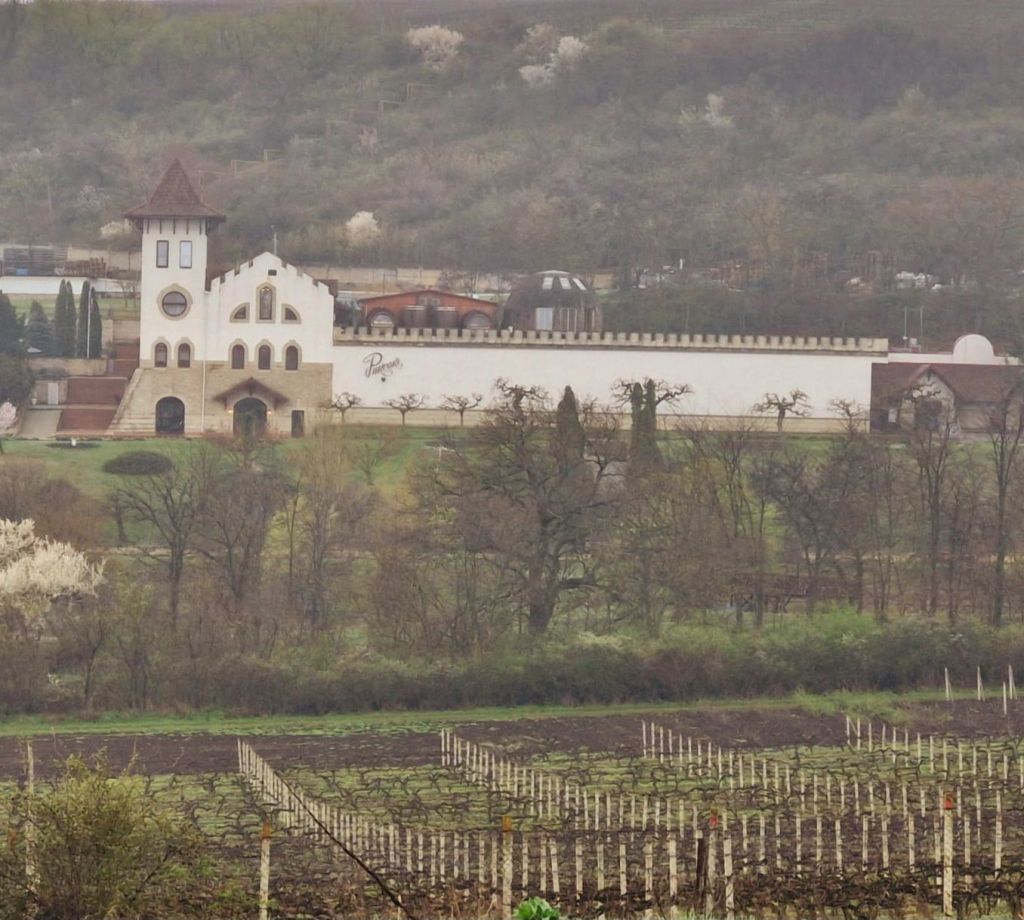
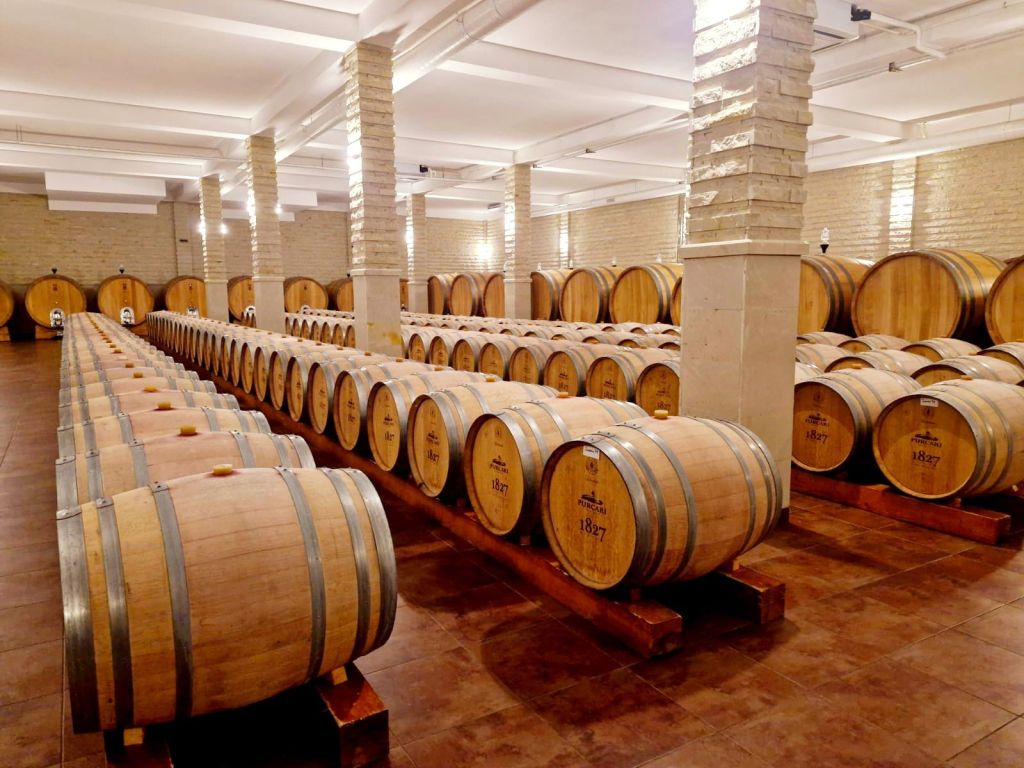
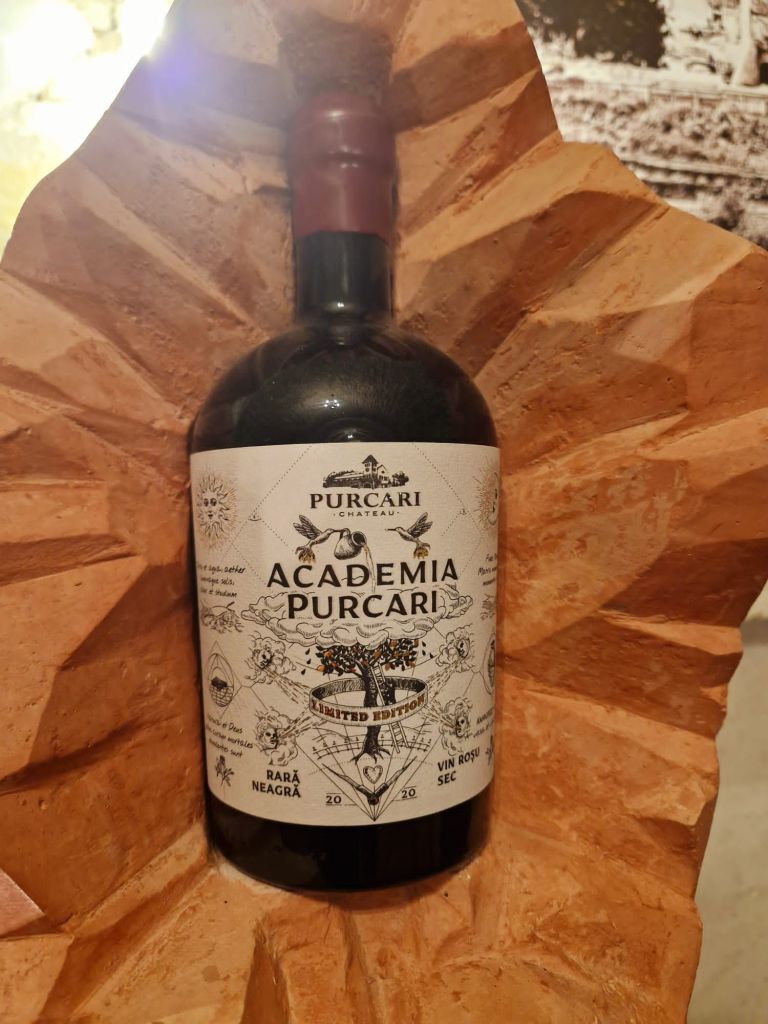
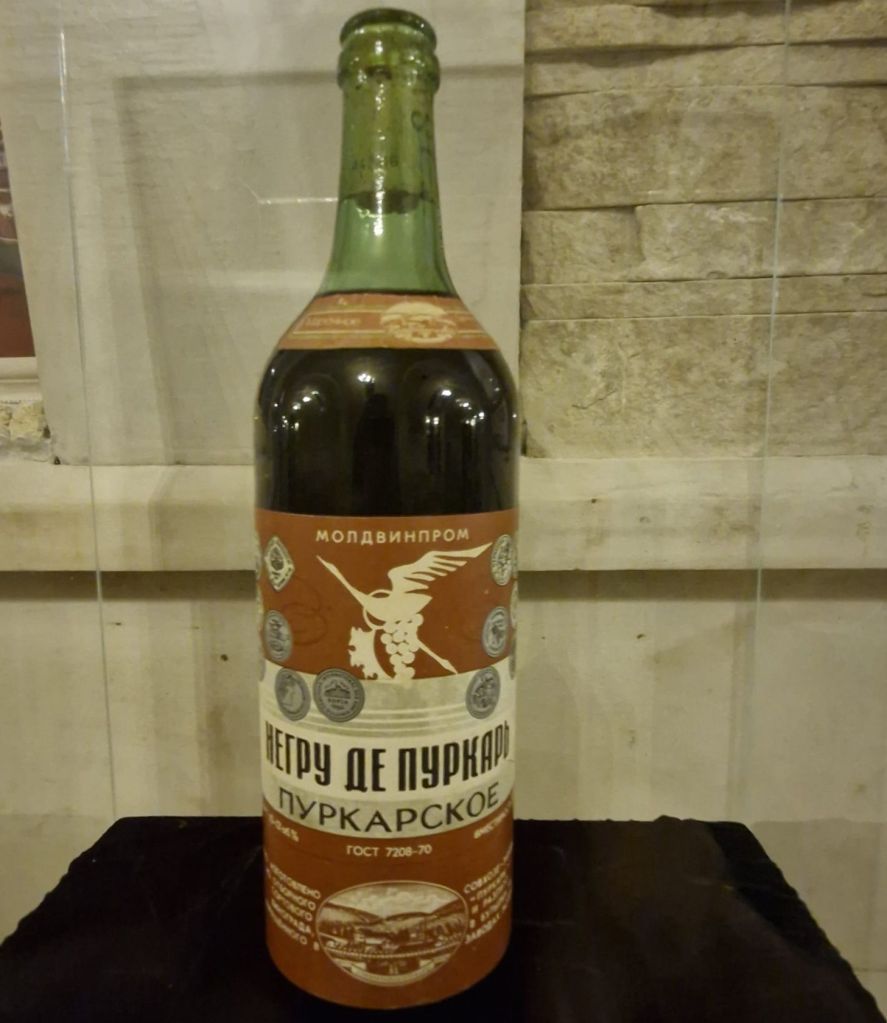
Further south, Chateau Purcari Winery, 15 miles from Ukraine border and 80 kms from Odessa is one of Moldova’s oldest wineries, producing good wines since 1872.
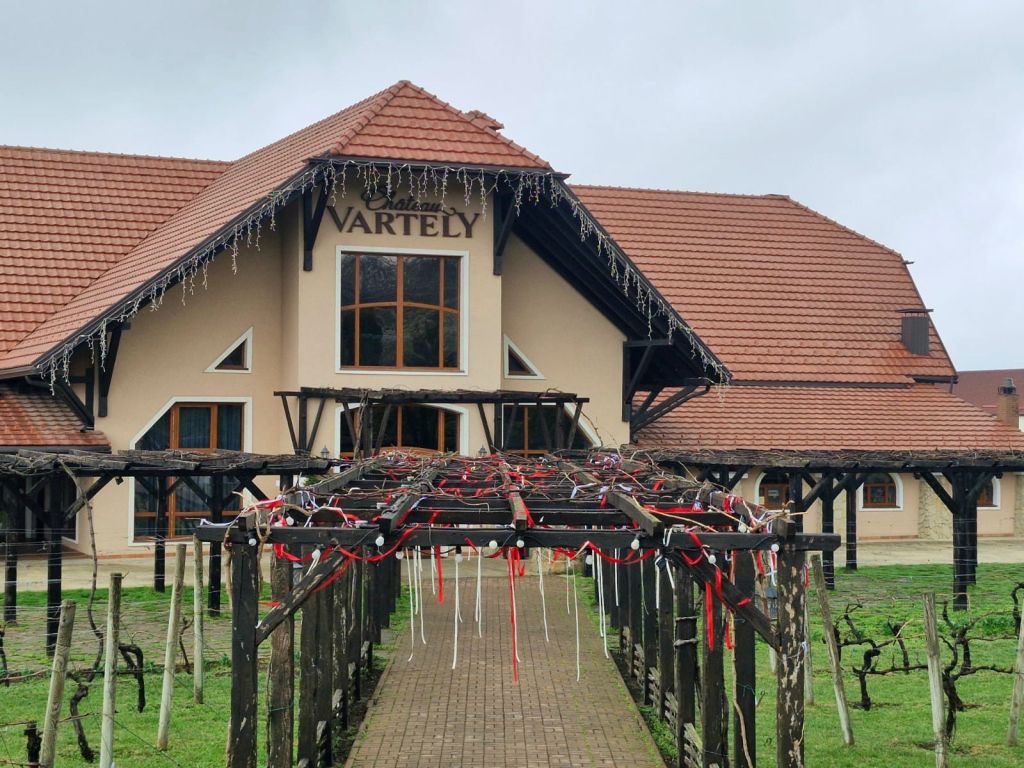
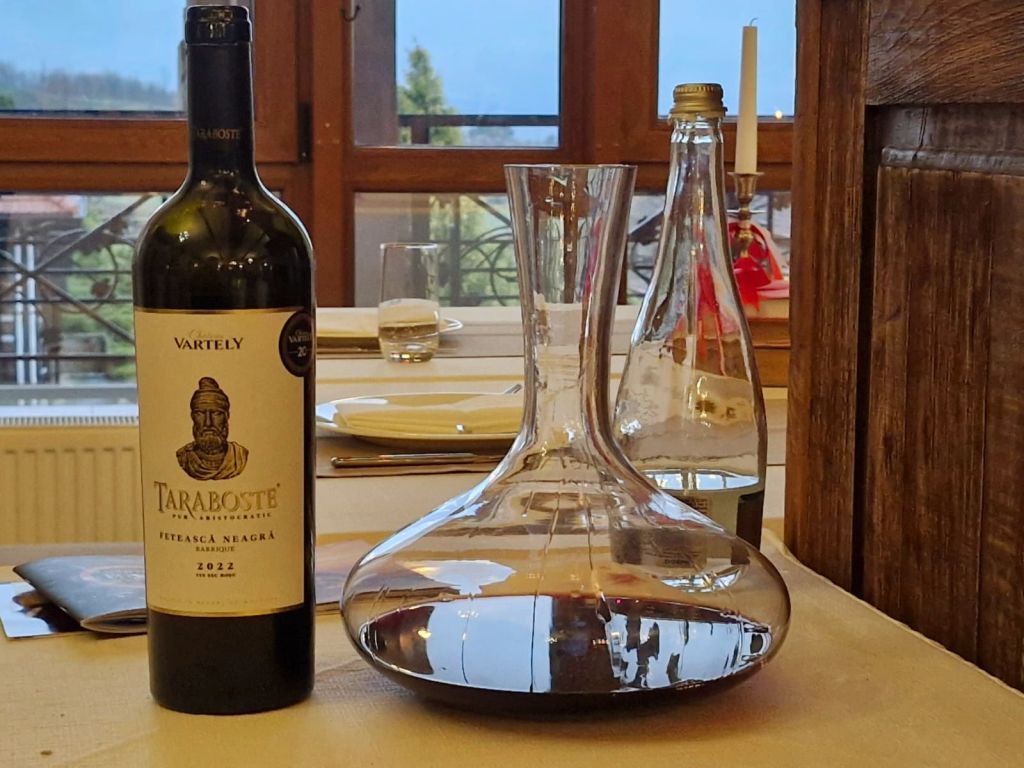
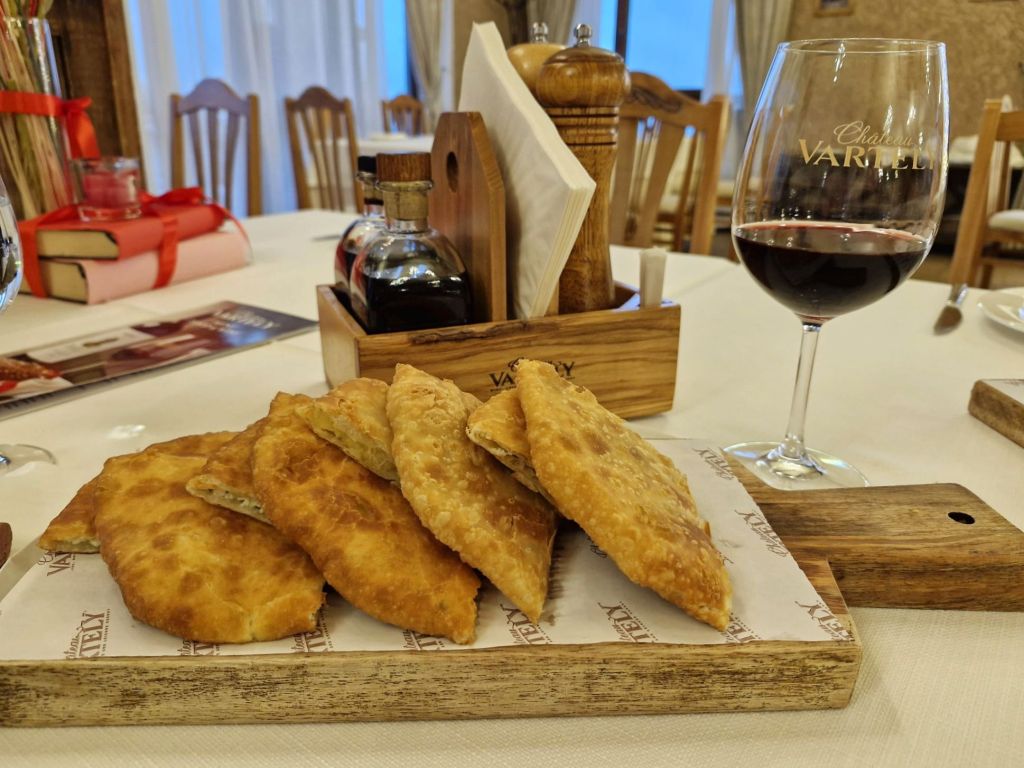
Next up, Chateau Vartely is a young winery, established in 2004 where wines are made from local grapes like Royal Maiden (Feteasca Regala), Black Maiden (Feteasca Neagra) and Rare Black (Rara Neagra).
We thoroughly enjoyed our night’s stay and dinner accompanied by good wine.
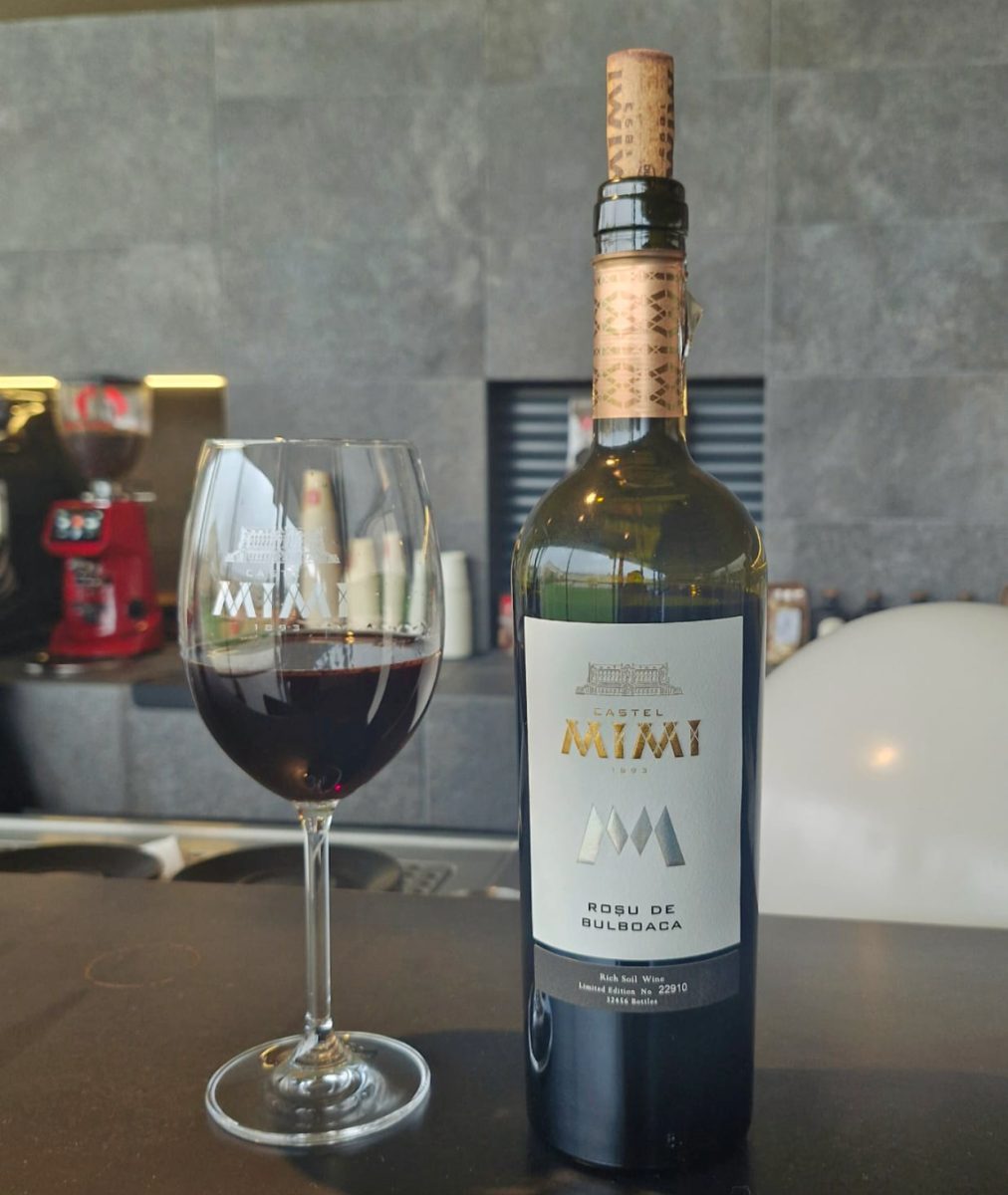
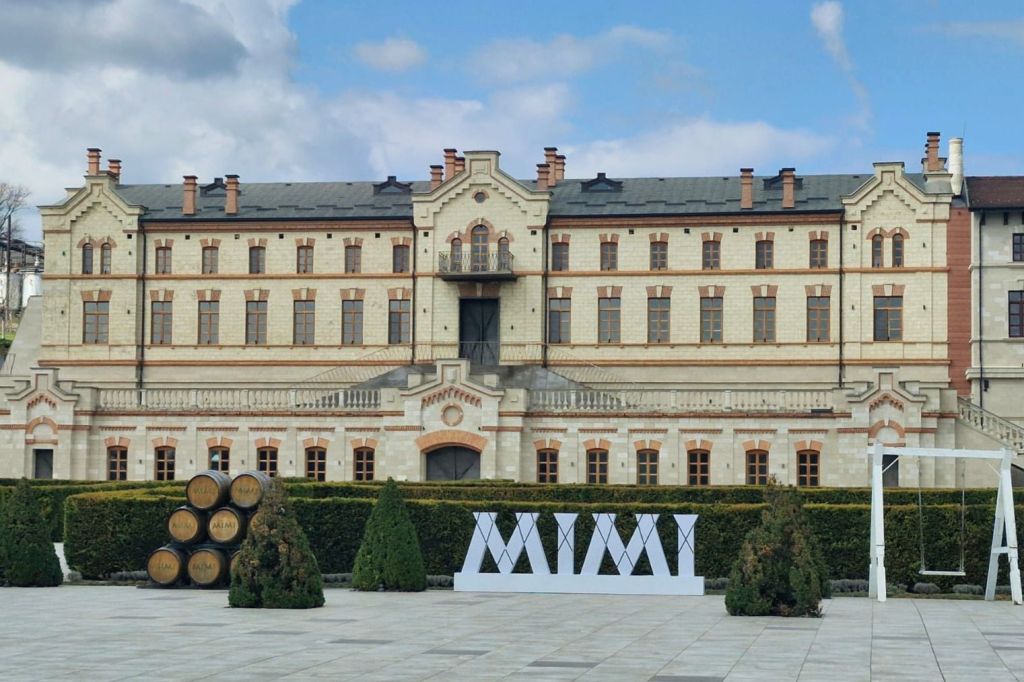
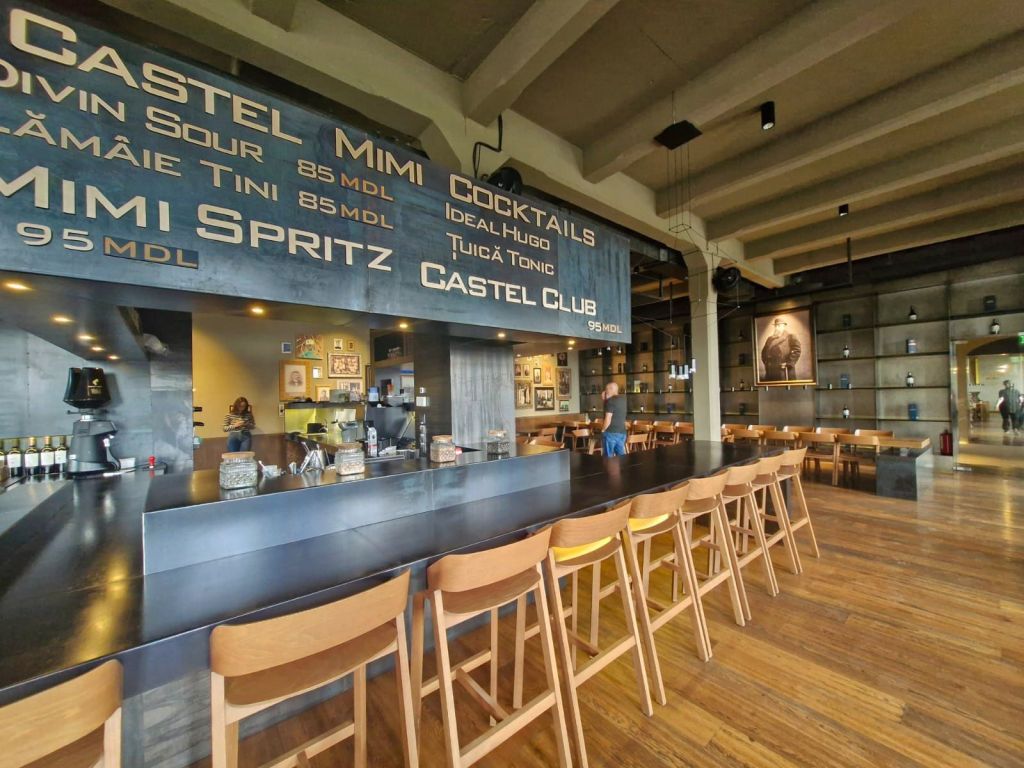
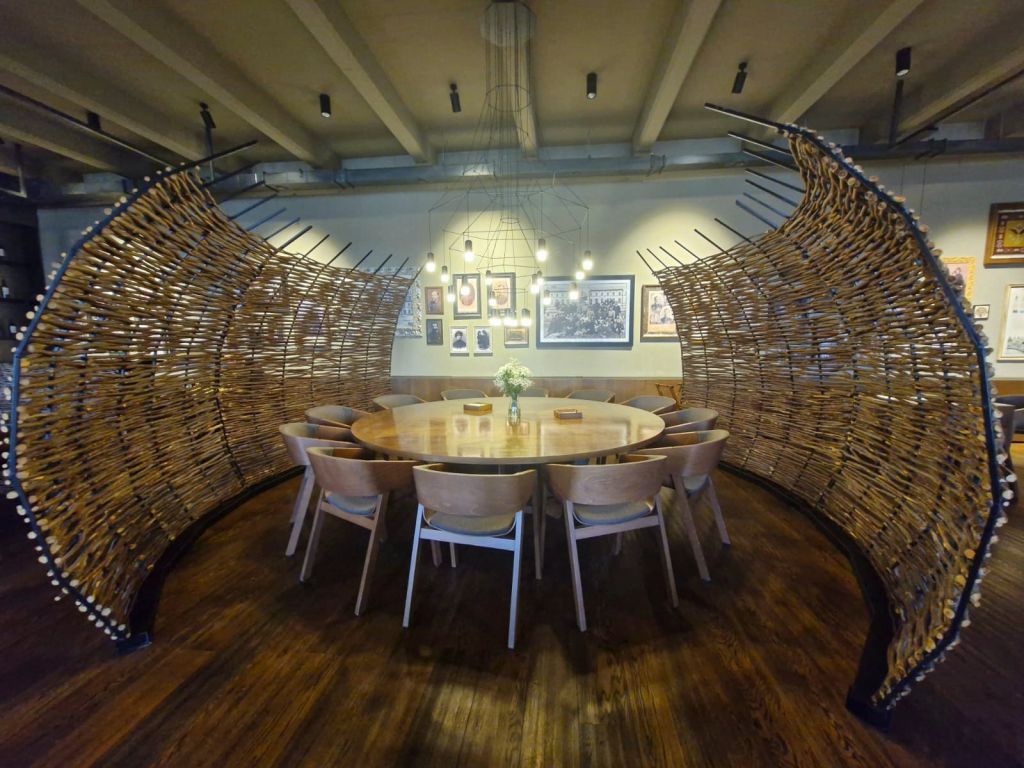
Castel Mimi is yet another Moldovan winery I’m going to wax lyrical. Everything is done well here from the incredibly comfortable and stylish rooms to a laidback wine bar to a fine dining restaurant. And their wines? Superb.
Read more at http://www.castelmimi.md
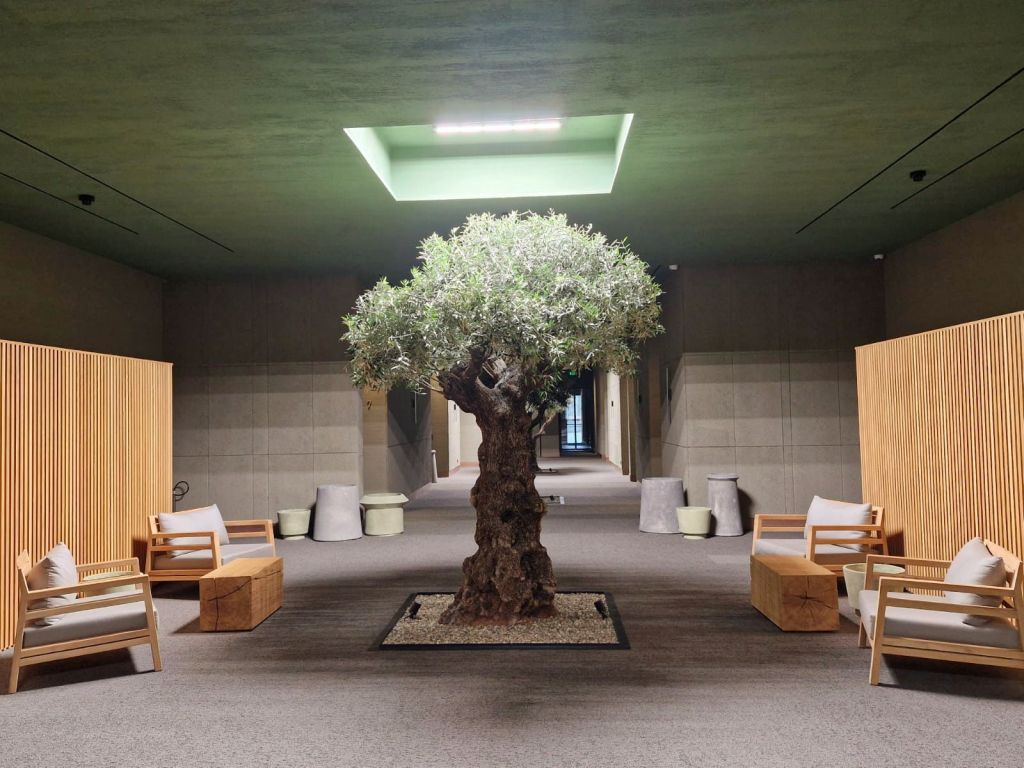
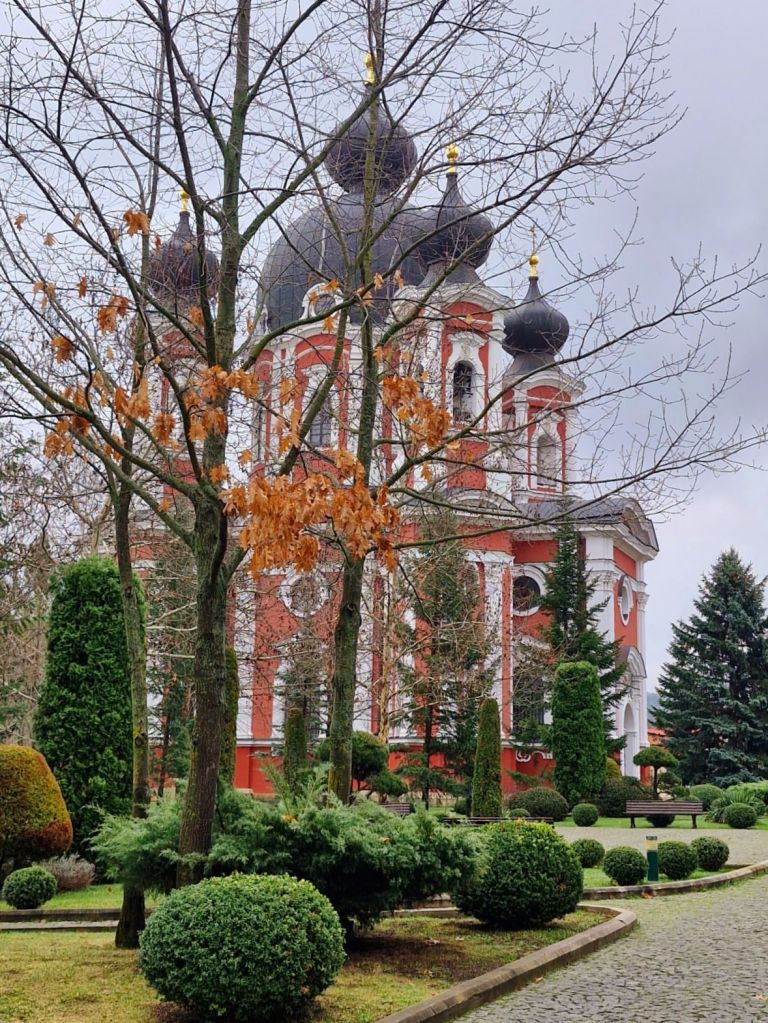
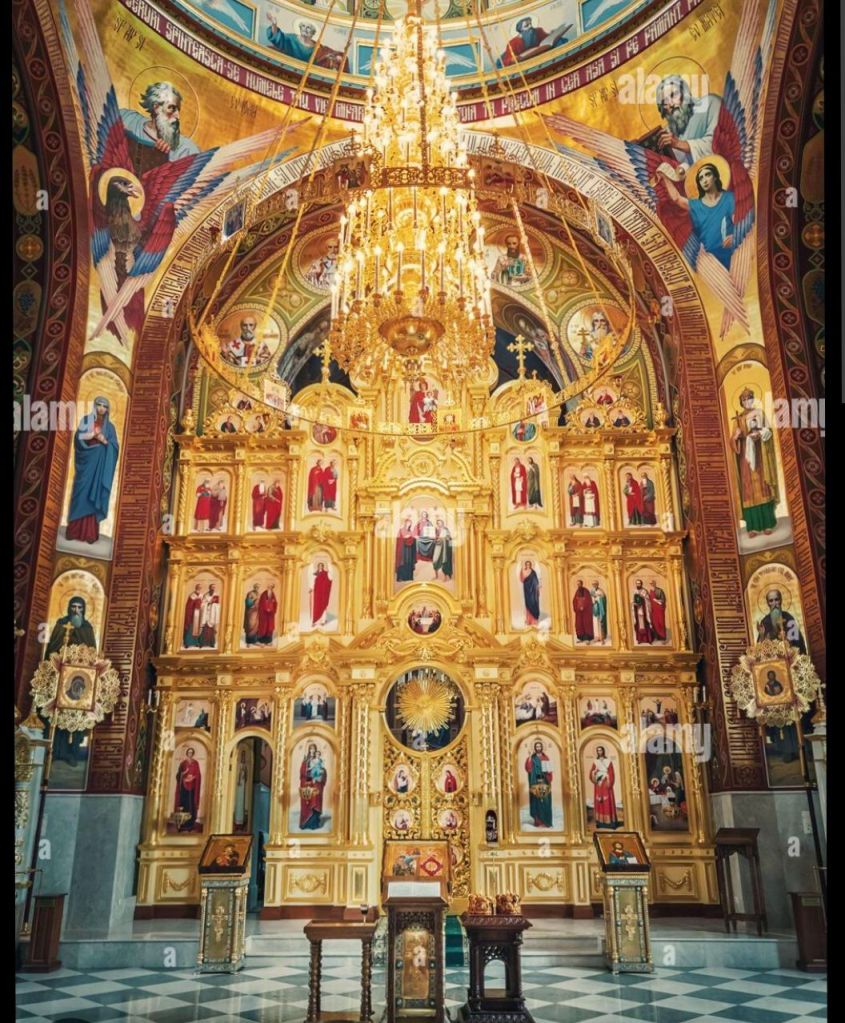
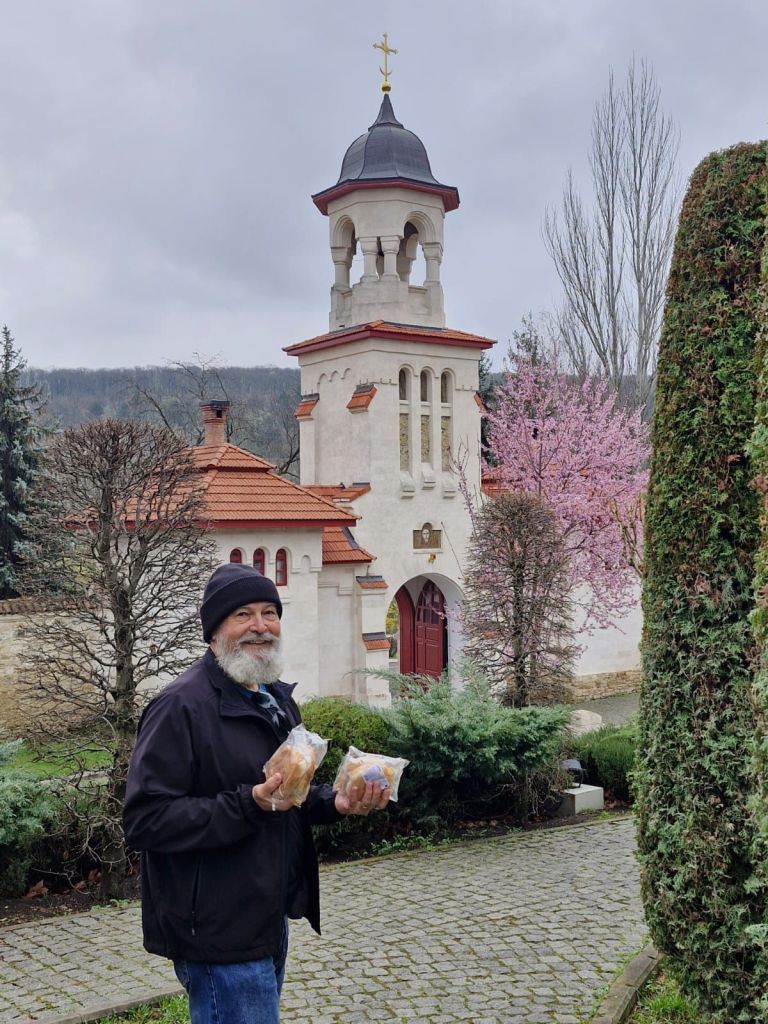
Near Orhei is the very impressive Curchi monastery built in 1773. Several churches are spread over beautifully landscaped grounds. Curchi is a functioning monastery with monks living and worshipping here.
The monks certainly lived up to their hospitable reputation during our visit stopping a number of times to talk and offer food. While I’ve heartily embraced sliding into tourist obscurity in this country, it was gratifying to converse with monks curious about my country Australia.
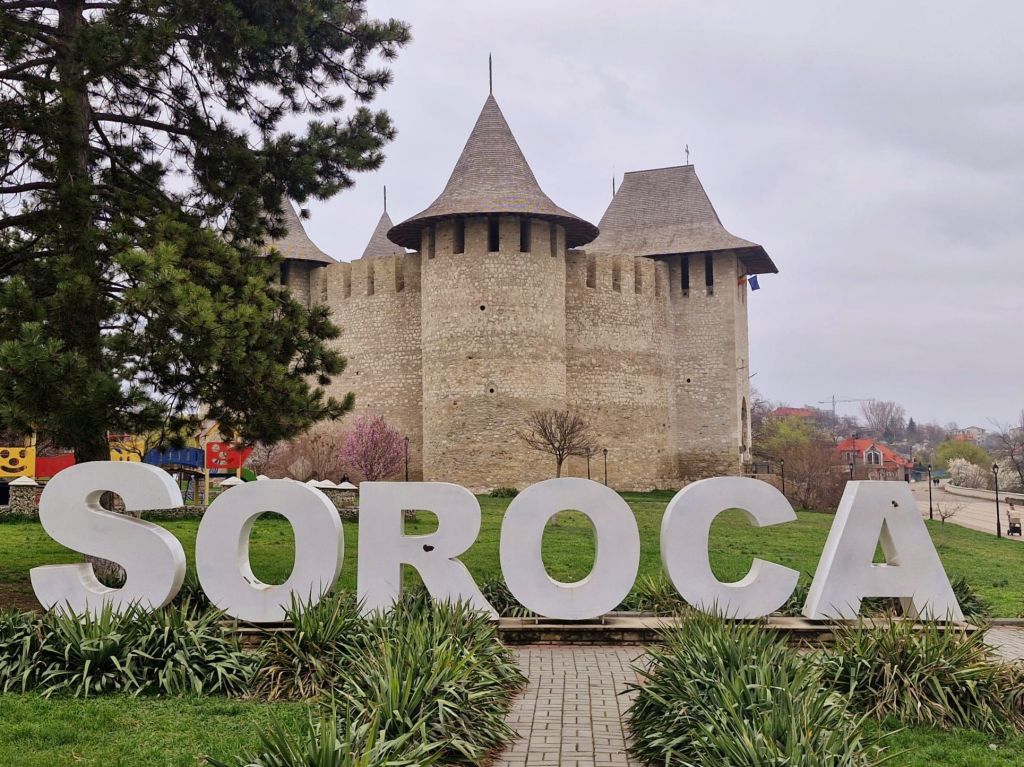
Soroca in northern Moldova and a few kms from Ukraine border is home to this mighty fortress built in 1500 on the Dniestr River as a defence against the Ottomans. We stayed overnight at the comfortable and friendly Central Hotel, enjoyed walking around town and eating fresh Moldovan produce at Salate Cafe.
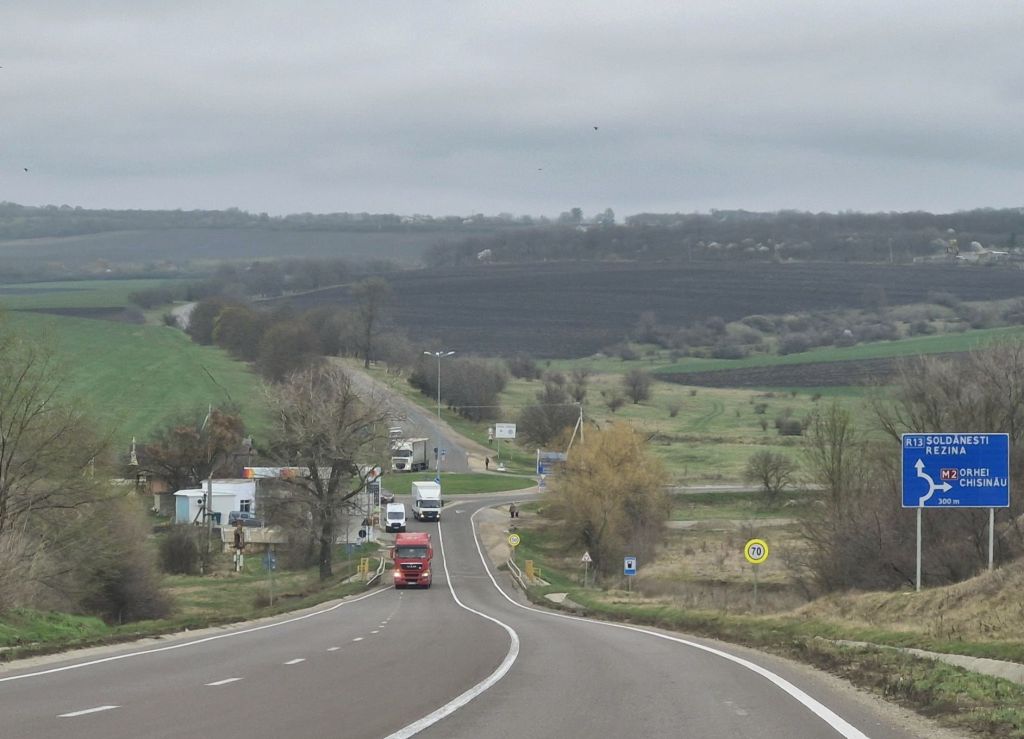
From Soroca, we weaved our way back to Chisinau.
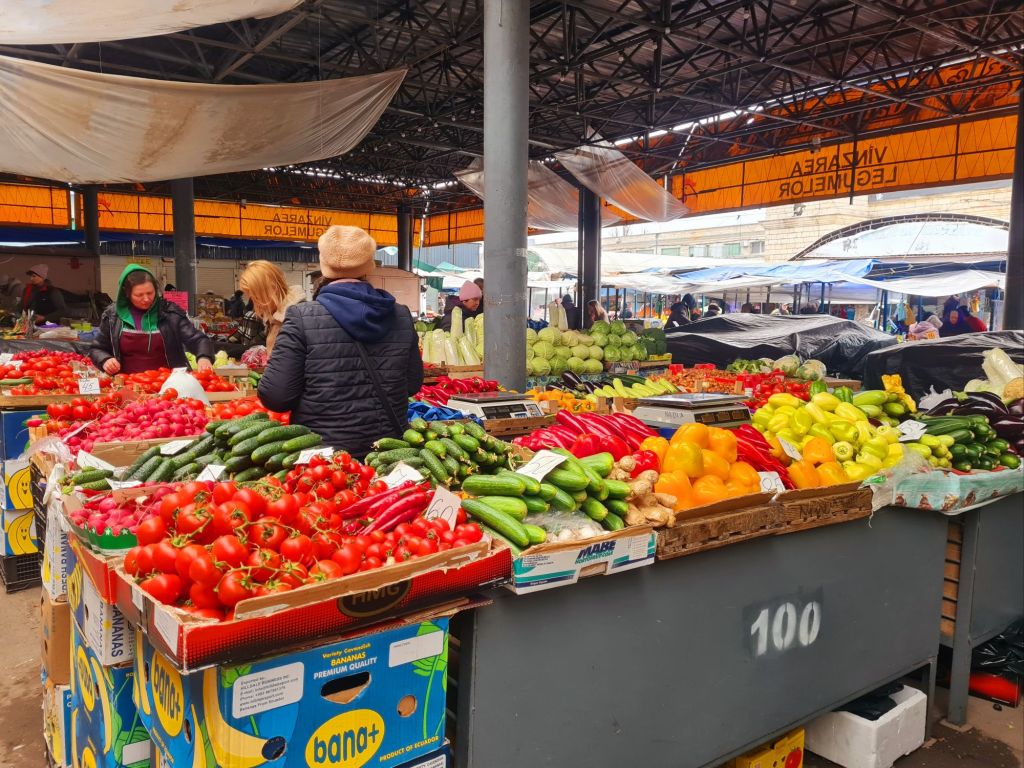
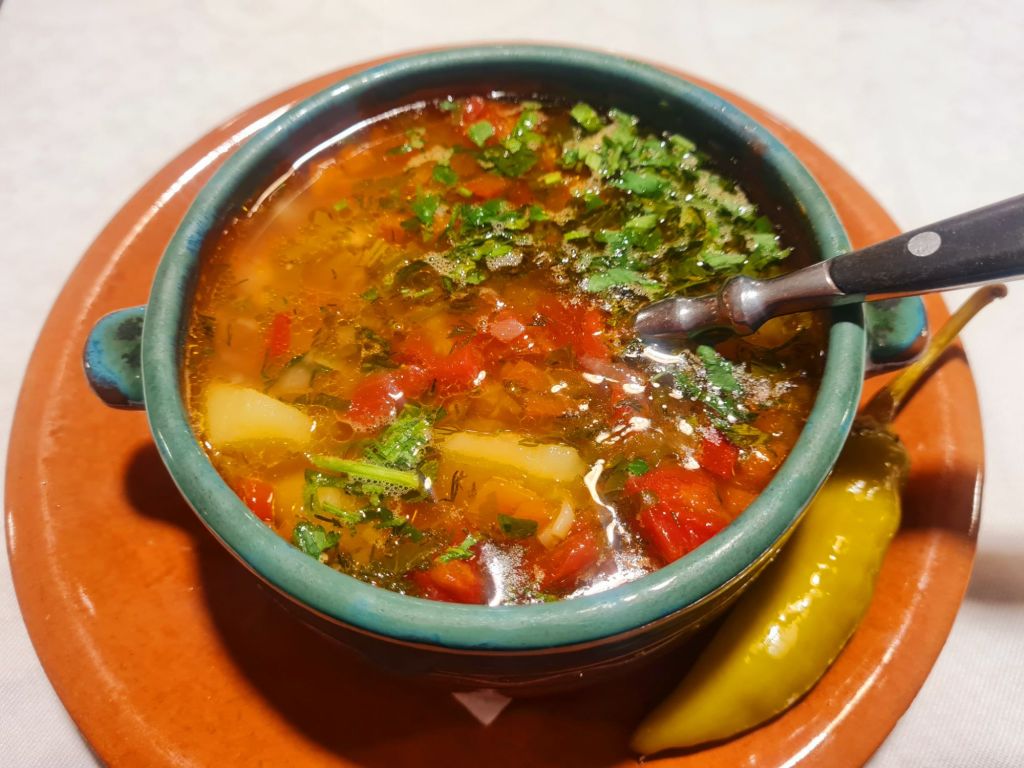
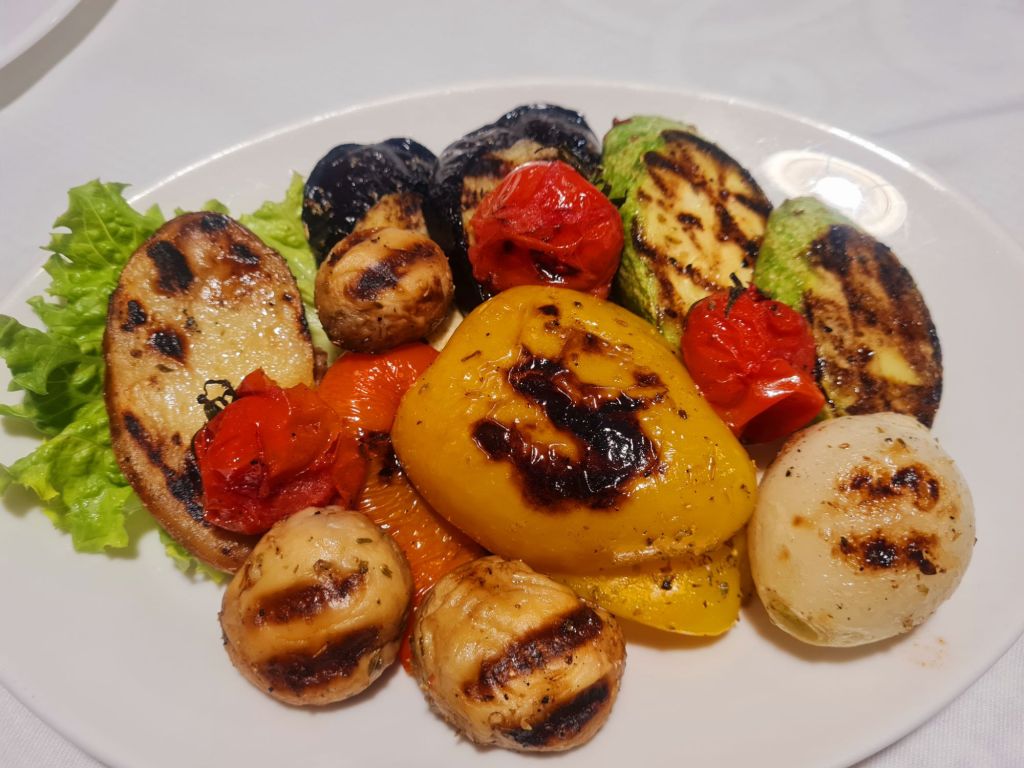
Just a word or two about Moldovan food. Produce is very local, very fresh and very tasty.
The elephant in Moldova’s room is of course Ukraine. Russia’s annexation of Crimea in 2014 and more recently their occupation of the Eastern regions of Donbas and Donetsk are troubling.
In response, Moldova has opened its border to many Ukranian refugees, some now firmly established here through home and business ownership.
Gaugazia in the south and Transnistria to the east are 2 long established Russian provinces in Moldova. Recently, the Gaugazian mayor was arrested because she advocated closer ties to Moscow and before that, reports circulated of Russian interference in Moldova’s 2024 election.
Plus, Moldova’s subsidised energy via Russia and Transnistria is no more, and expensive loans to secure Romanian gas don’t look like being a long term answer. Thorny times ahead for sure.
There’s a lot going down. Too much for one taxi driver who regaled us with his parents’ and grandparents’ positive Soviet experience of guaranteed work, housing, health, education and holidays. Capitalist Moldova, he maintains, means living in constant pursuit of ‘more’ when ‘enough’ should suffice.
It’s exactly this thinking that never fails to lead to a seismic shift in my perception of how this world works; a powerful reminder of how people and places shape understanding and why travel will always be a priority in my life.
If planning a visit to Moldova, know that credit card is accepted in most places, money changers are prolific, internet speed is rapid and prices are extremely affordable. Also, it is very safe.
Come for the quieter pace of travel combined with excellent wine, food, coffee, history and interesting people. You’ll leave salivating for more.
We’re now enroute to Vienna Austria on Wizz Air Malta. Flight time: 1 hr 40


A wonderful post and I loved learning about Moldova. Think it’s time I put my skates back on:)
LikeLiked by 1 person
Glad you enjoyed it. You would definitely enjoy Moldova – very easy travelling and not many tourists. Towns/wineries are not too far apart, so daily drives are about 2-3 hours. Food and wine are excellent.
LikeLike
We thought of visiting Moldova when we were in Romania, but we just didn’t have enough time. Maybe we’ll get there someday, it looks interesting. Maggie
LikeLiked by 1 person
We really liked Moldova. It’s an easy flight in and out of a number of European places if that helps you plan your trip here.
LikeLike
What are the RBT’s like over there after the wine tasteings.
LikeLiked by 2 people
We tasted, then stayed the night!
LikeLike