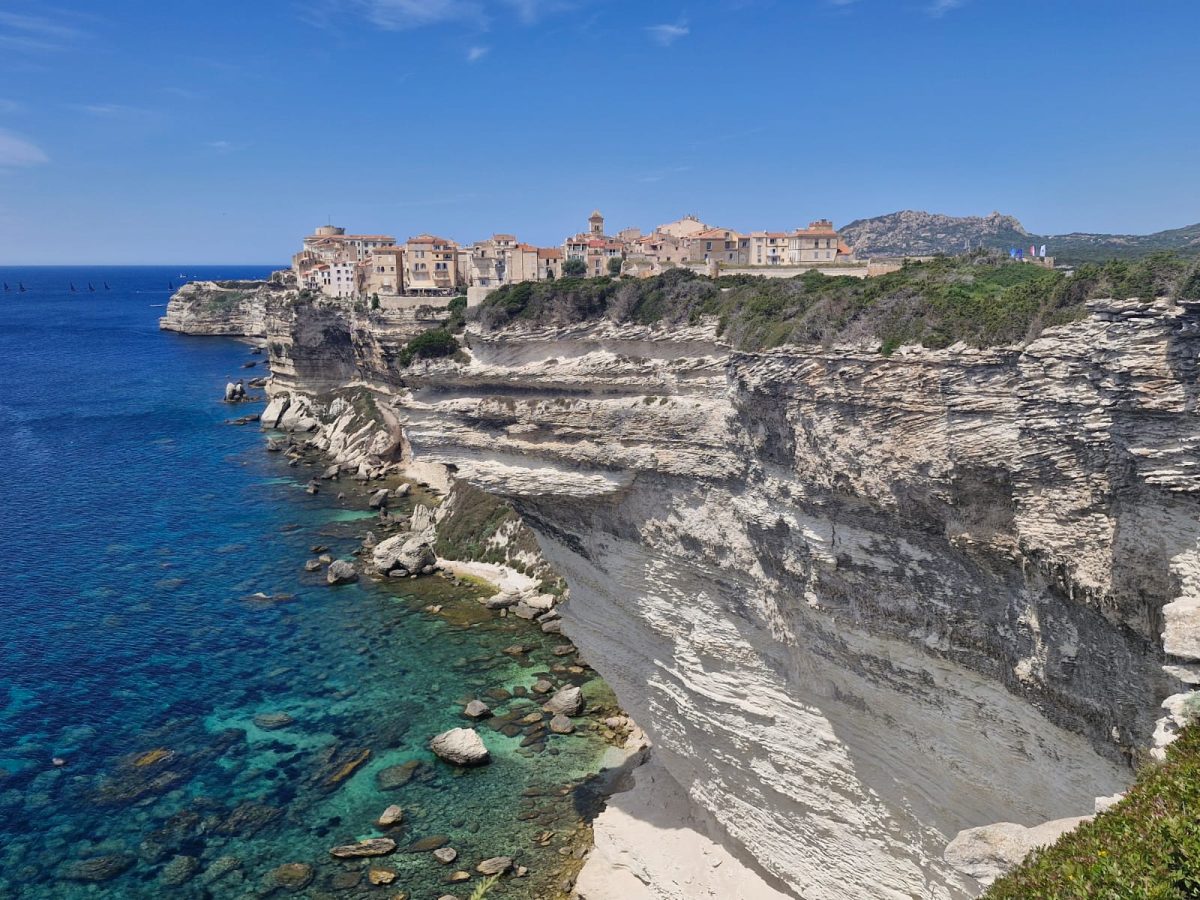
Something quite straight forward piqued my interest in travelling to Corsica and it was de Maupassant’s gritty short story A Vendetta.
Set in 1860 Bonifacio, a fisherman’s widow practises the savage Corsican code of honour by exacting her revenge. Vendettas were part and parcel of life in this southern French island for centuries and even today there are sporadic reports of blood feuds. Rest assured though, tourism is unaffected. In fact, it’s easy to meander your way around this Mediterranean island in a hire car and be blissfully unaware of the dark past.
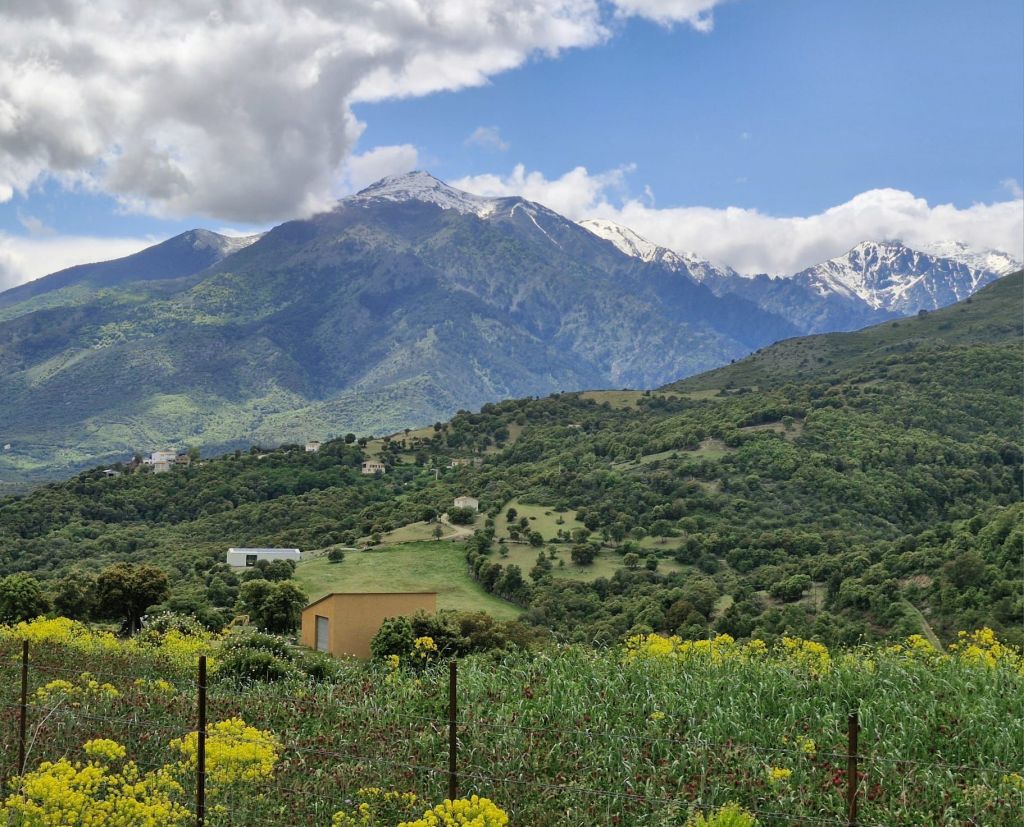
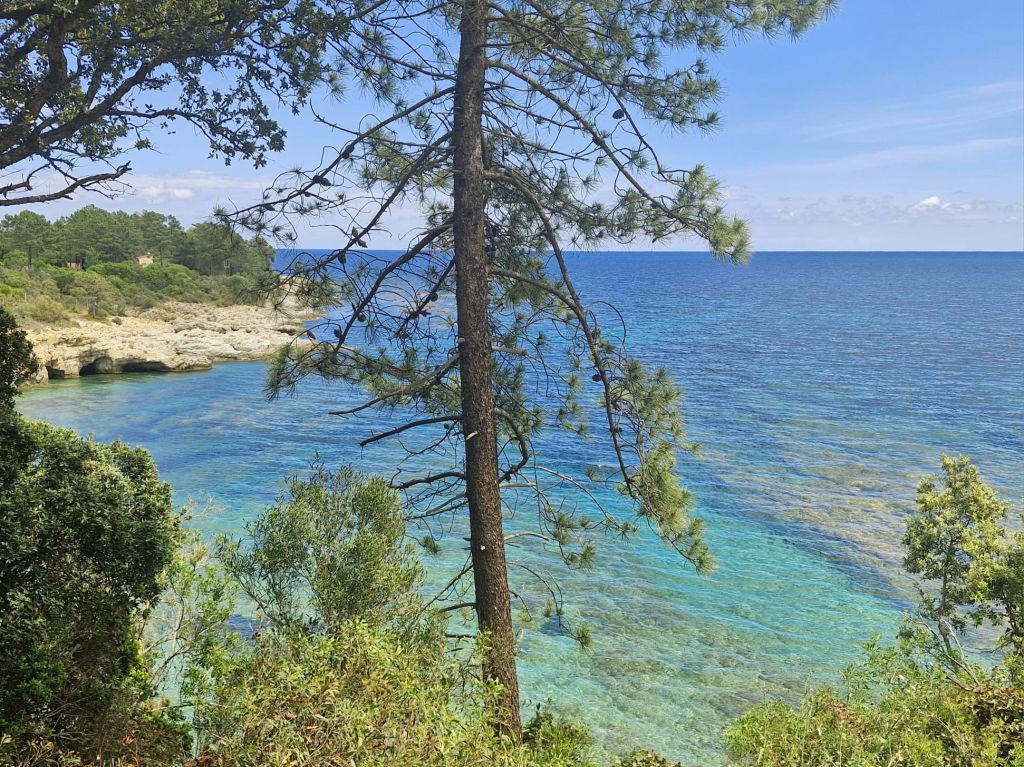
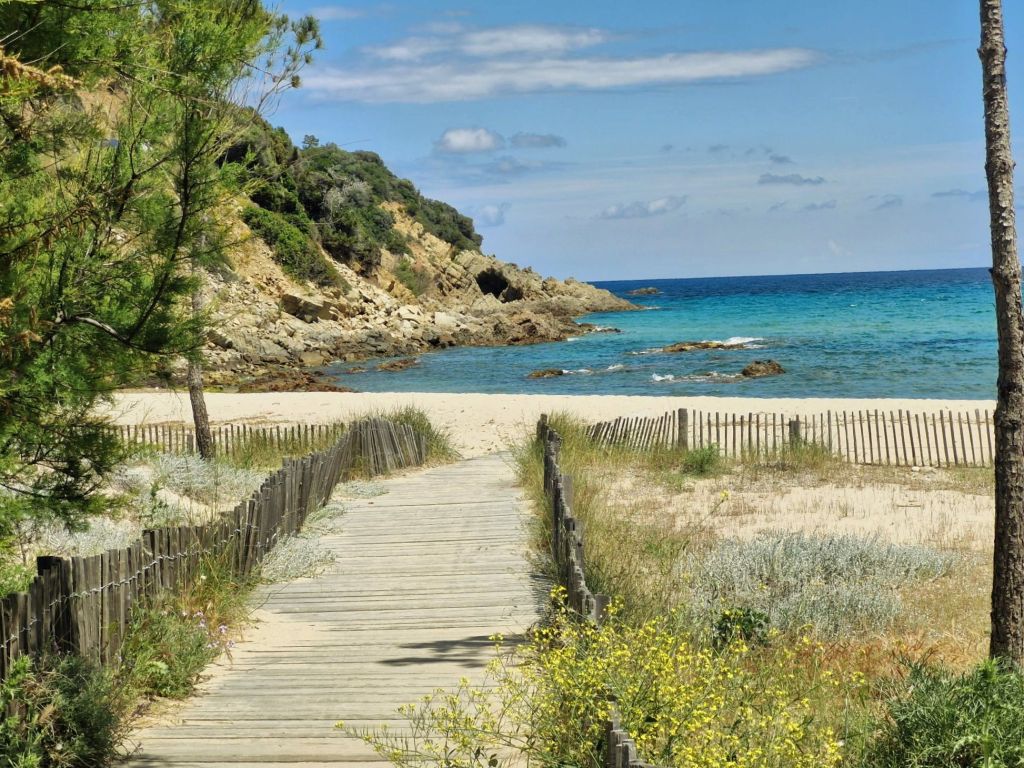
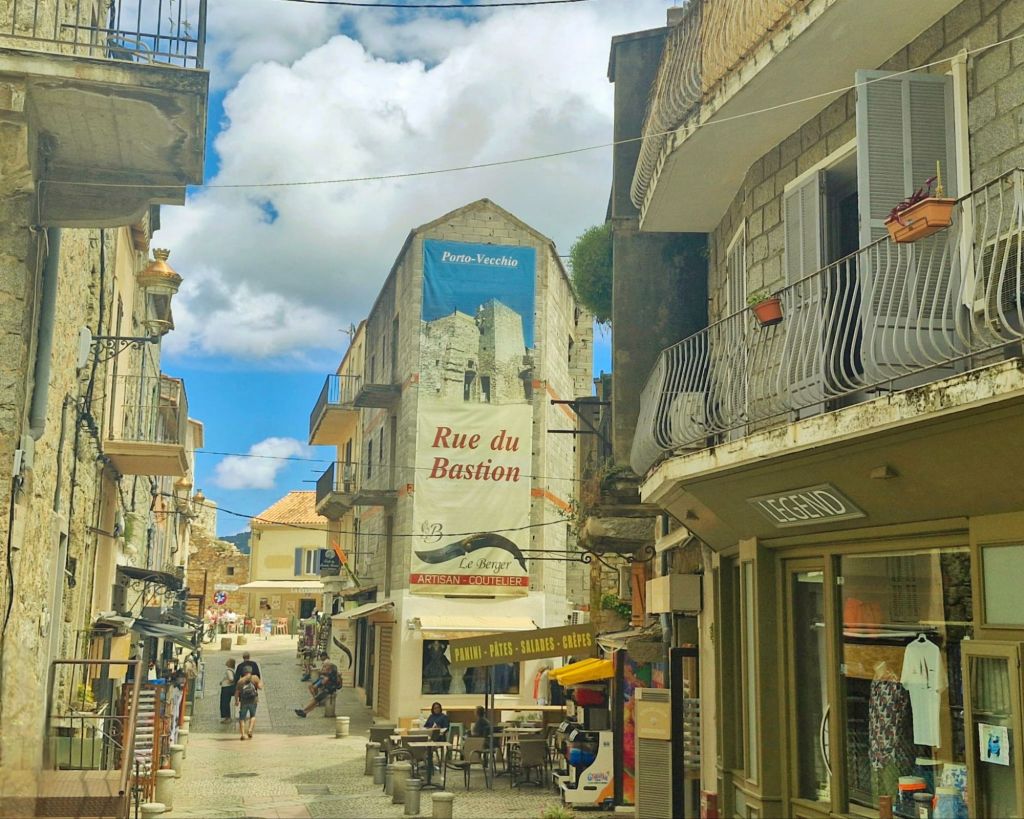
What’s been banked in my mind over two weeks in this Ile de beaute are incredible landscapes: forest covered mountains (two thirds of the island is mountainous) and pristine beaches, lots of tiny towns and a few larger ones, an unhurried way of life and very friendly locals prepared to ply their very good Corsican fare and drinks.
In May, Corsica is far enough away from the beating heart of summer crowds to make it very, very enjoyable.
My photoscape reveals a fraction of what’s here. There’s still so much more: more beaches, more small villages and excellent hiking trails on an island that measures just 183 kms by 83 kms.
We began in easy going, very walkable Ajaccio, capital of Corsica. A blend of turquoise water, cobbled alleyways, history and mountain views made Ajaccio a firm favourite.
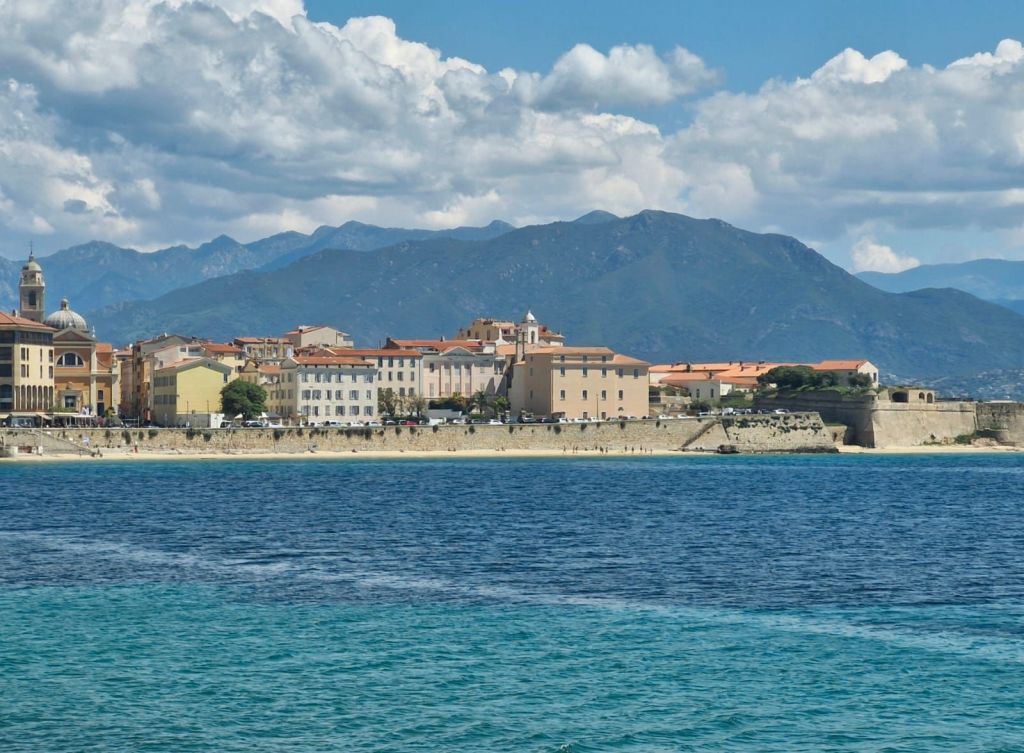
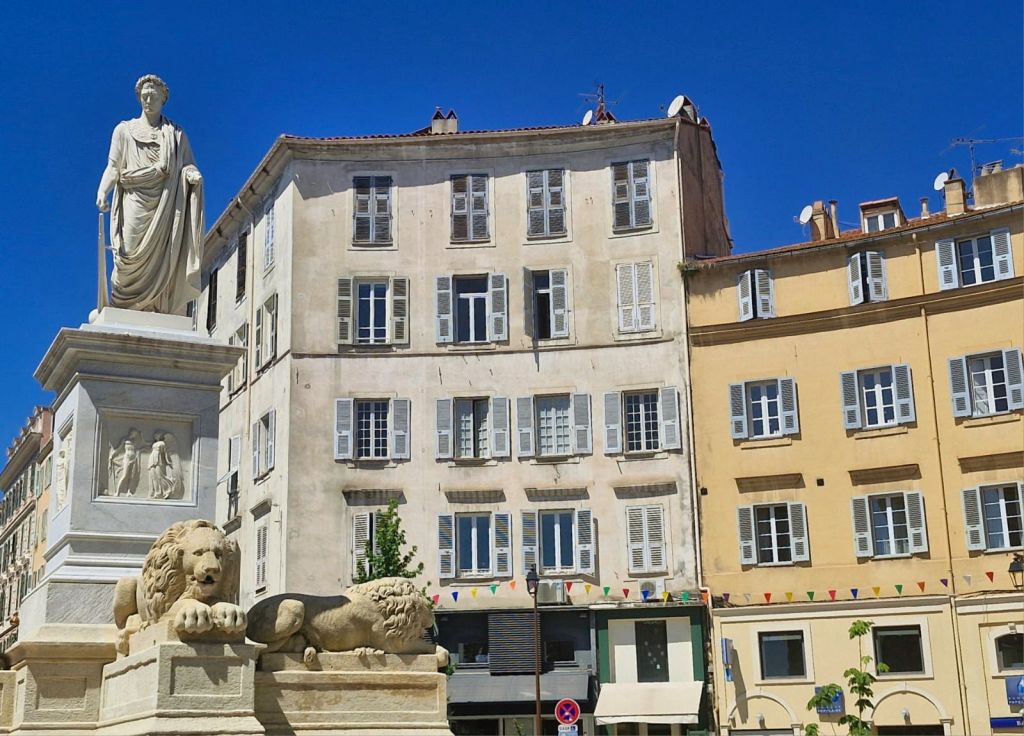
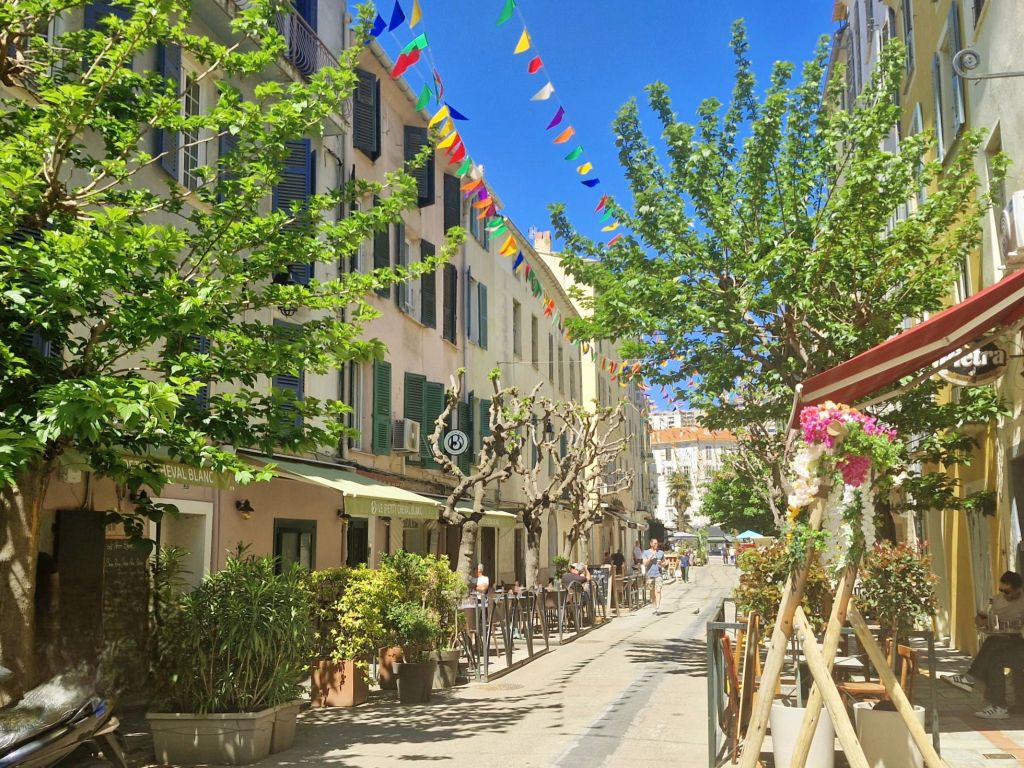
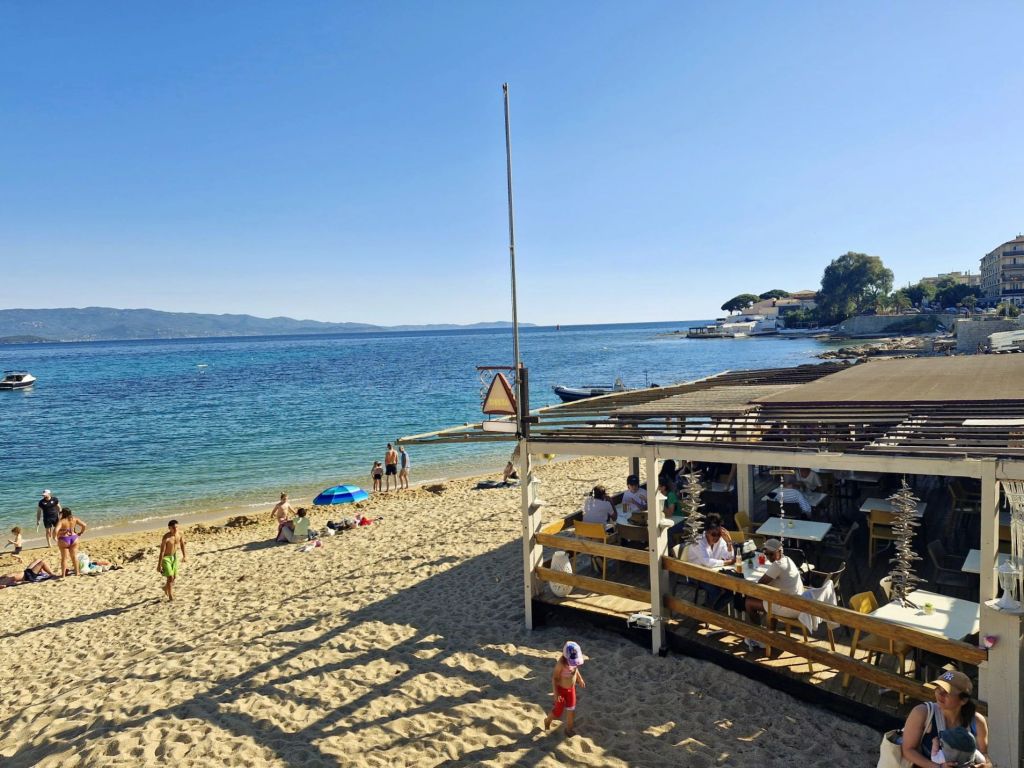
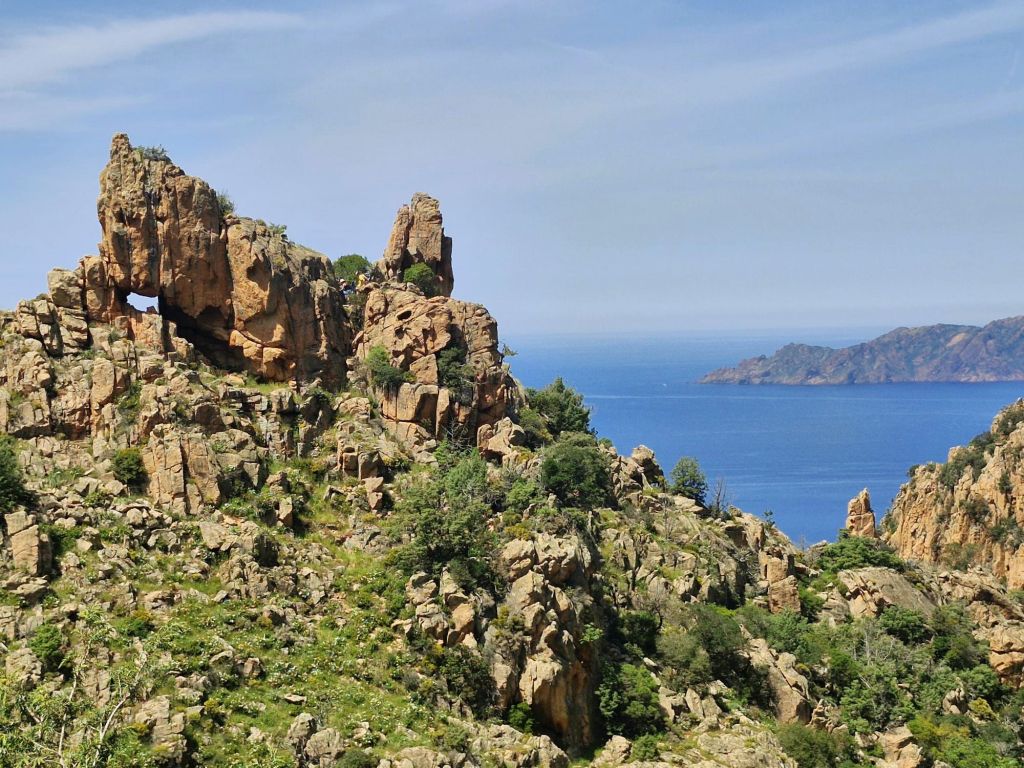
From Ajaccio we headed north in our hire car, stopping along the way at pretty Piana which overlooks the Golfe de Porto and the red ochre calanques. This area is UNESCO World Heritage listed.
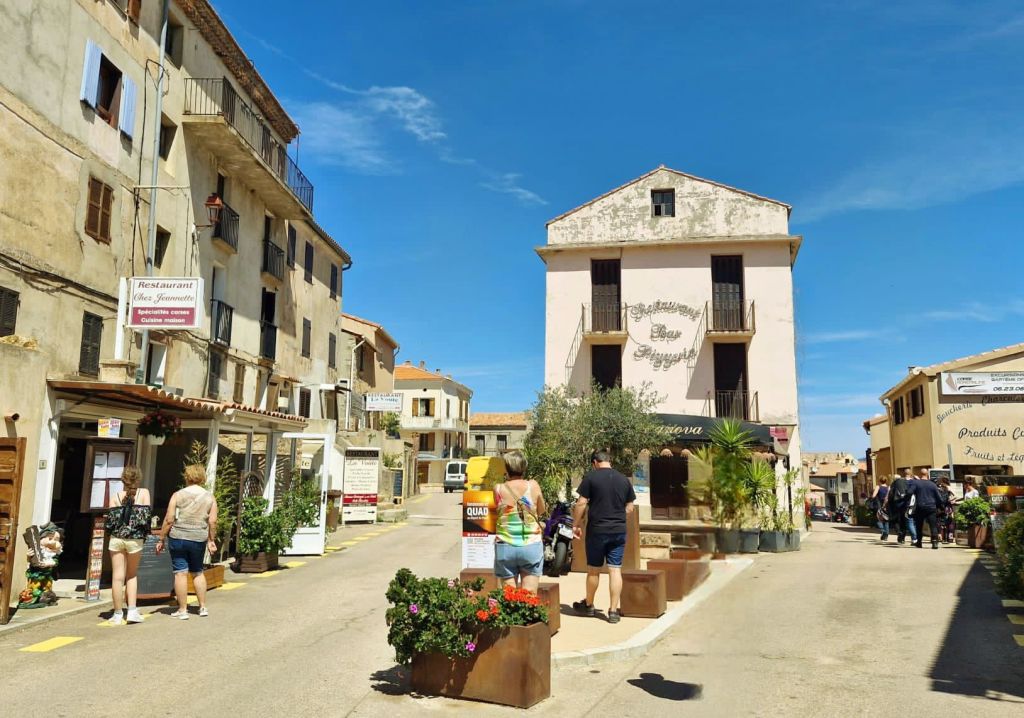
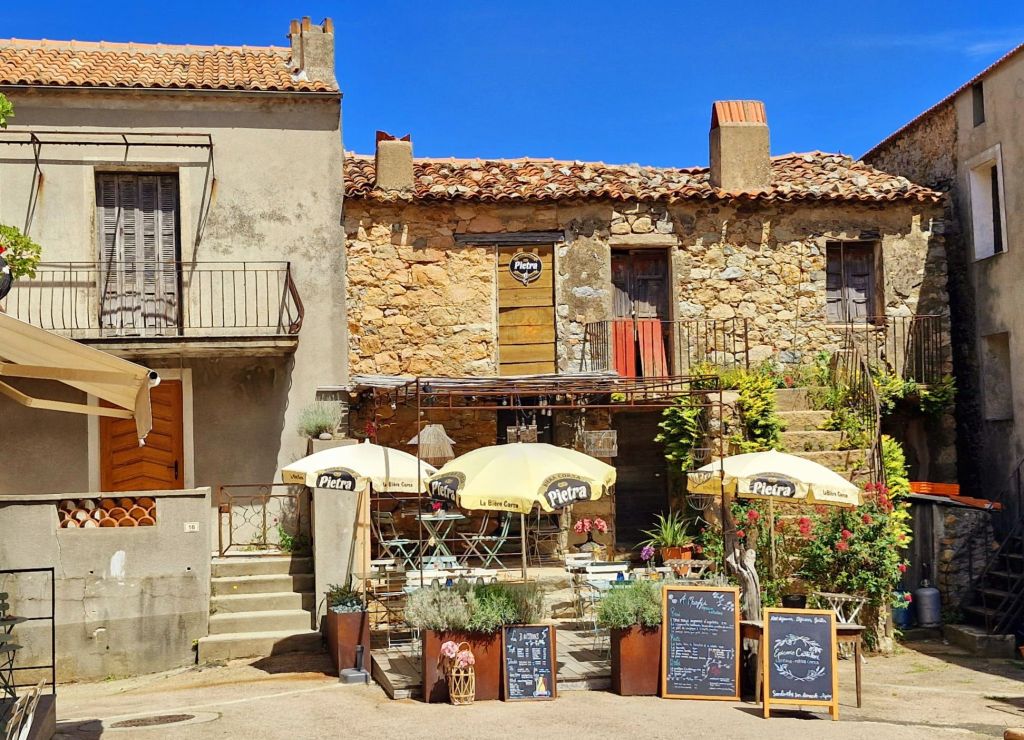
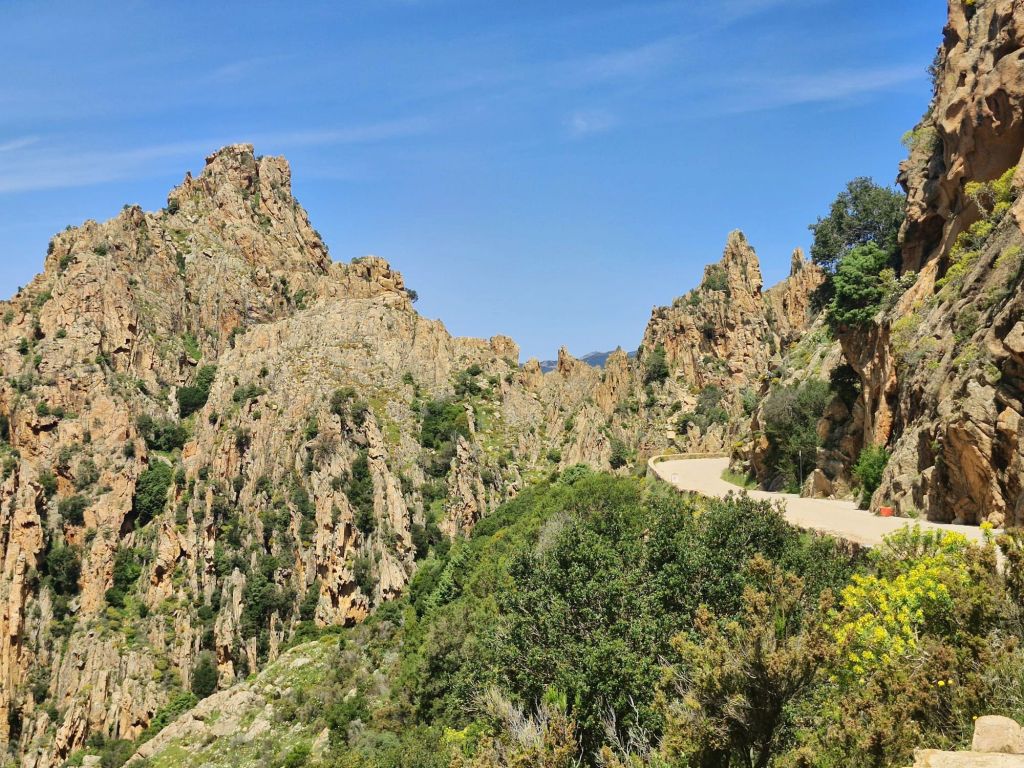
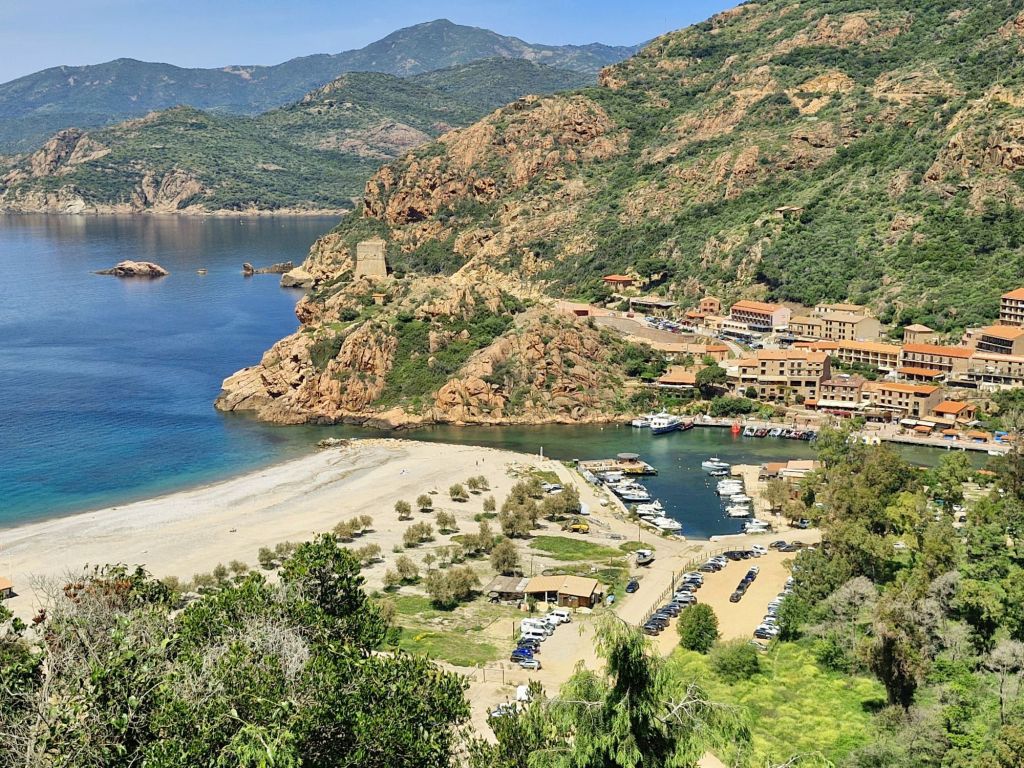
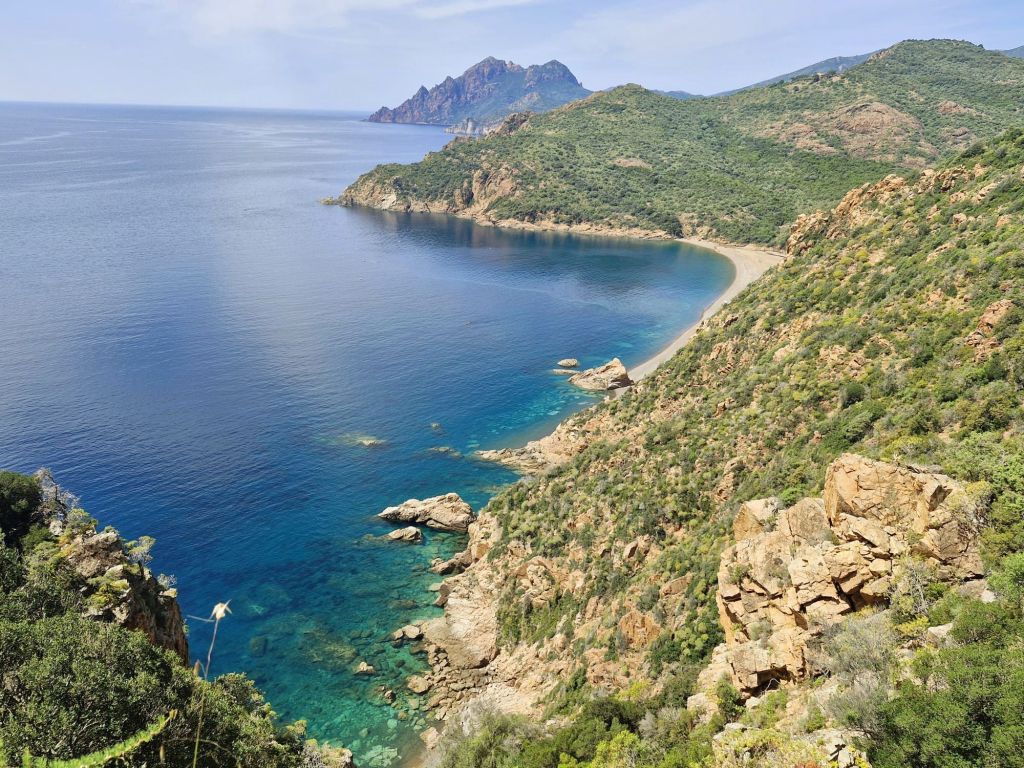
From Piana, it was a short drive to chic Calvi, once a ritzy resort favoured by the aristocracy in the 1920s.
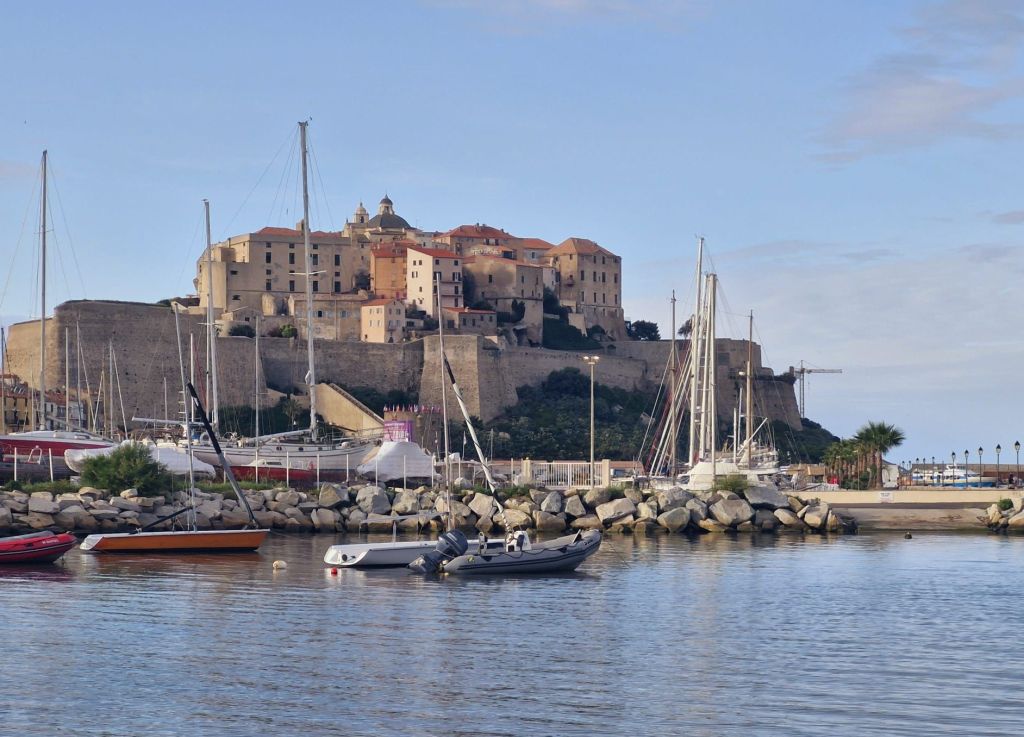
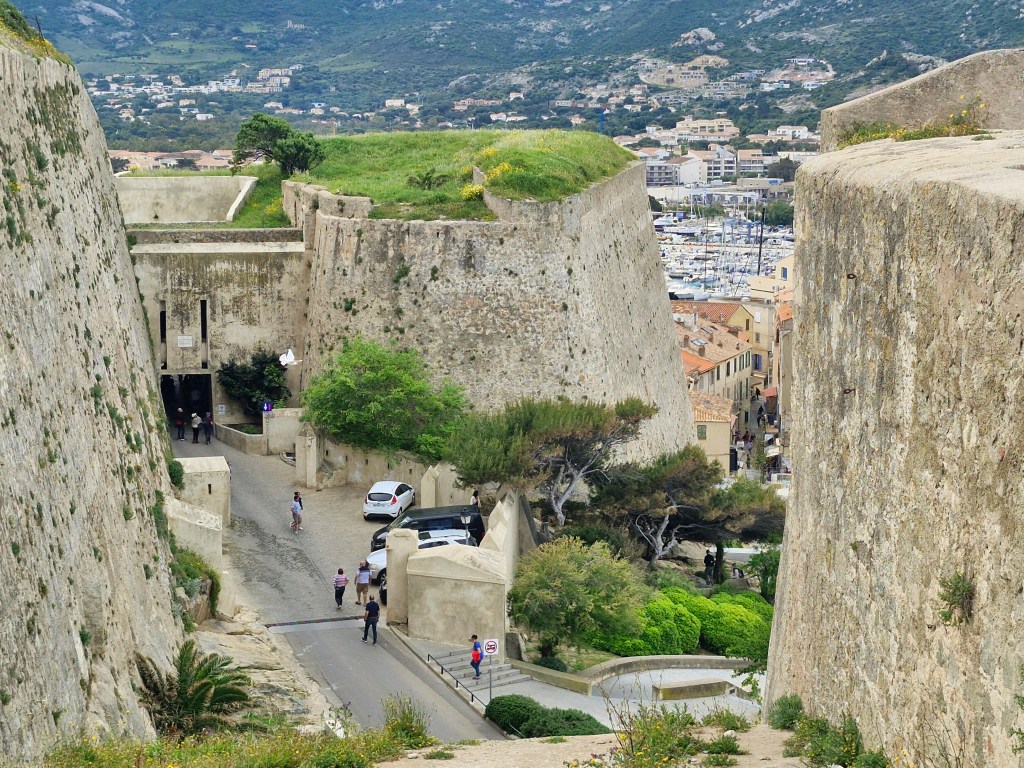
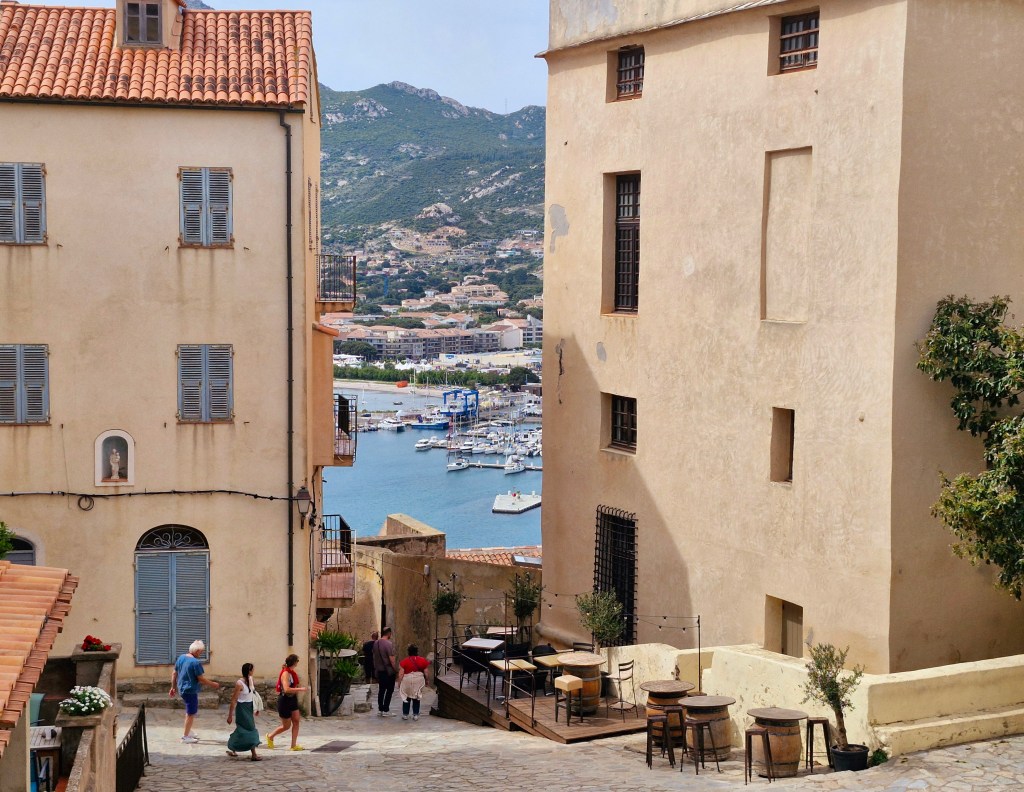
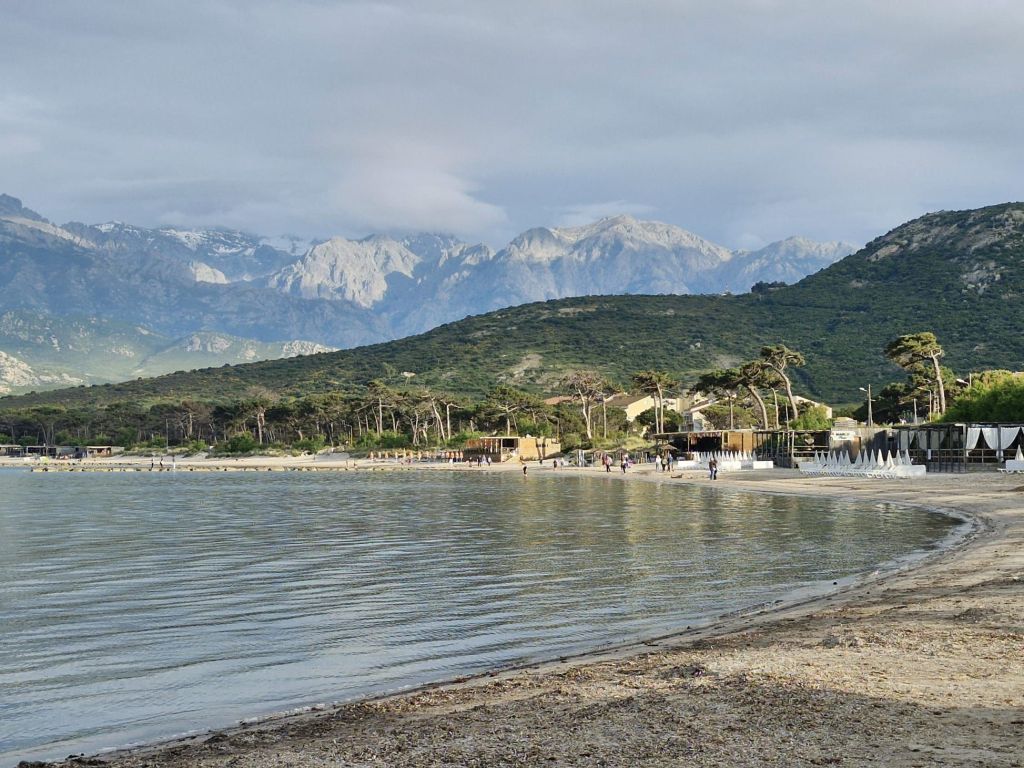
Just 24 kms from Calvi lies L’lle Rousse. Light rain, hot coffee, pain au chocolate and lots of walking were on the menu here.
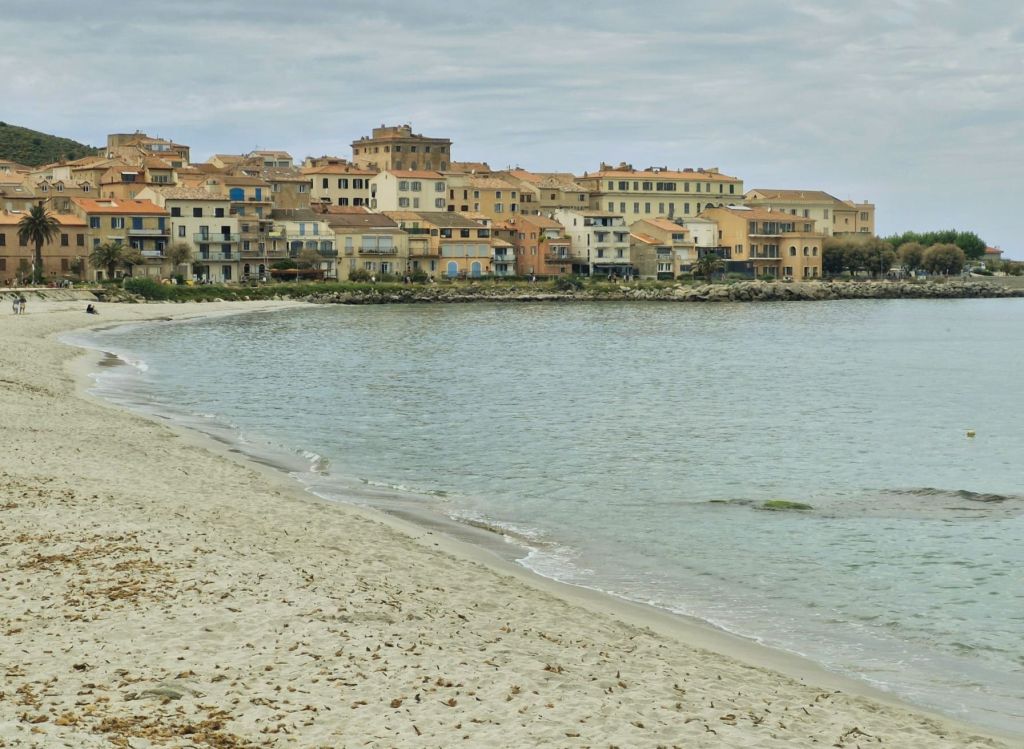
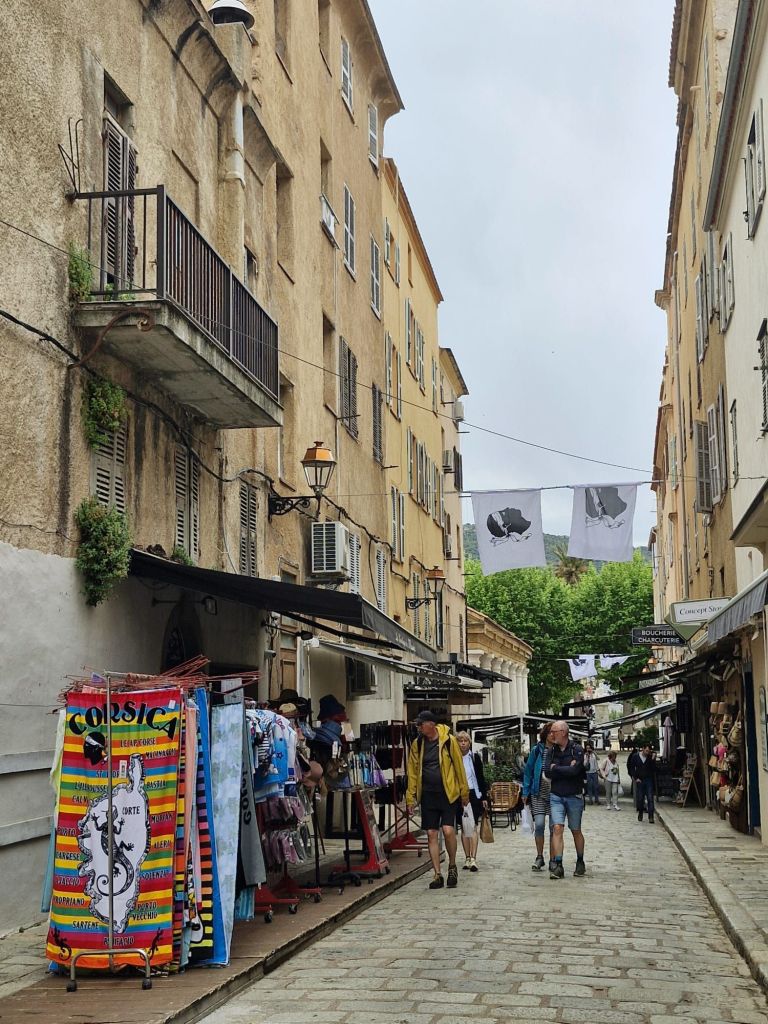
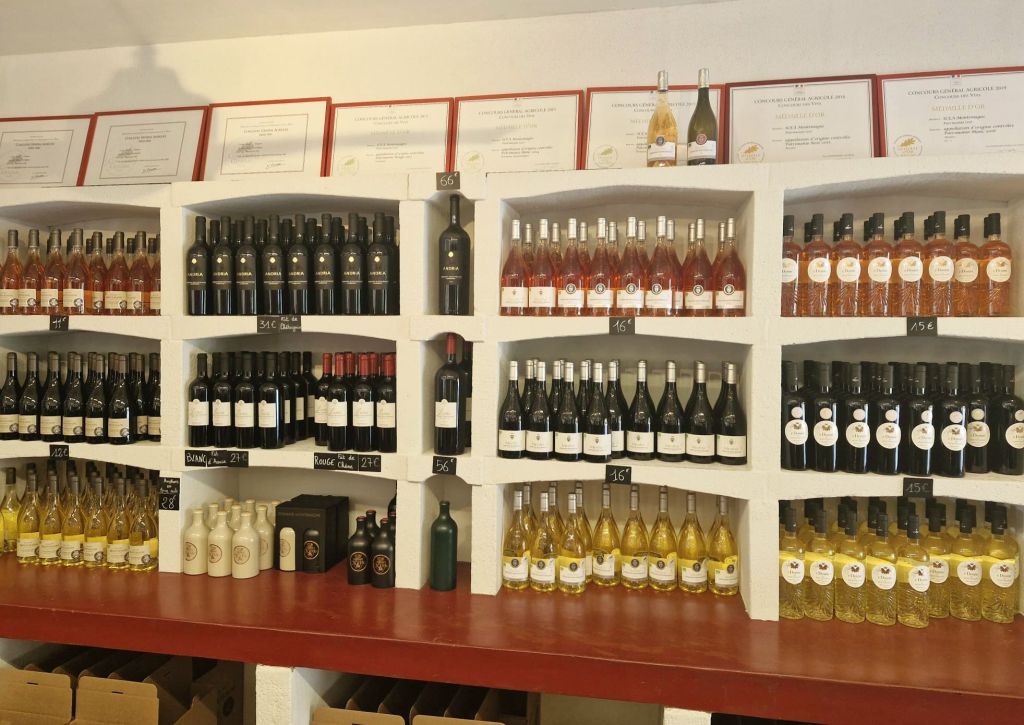
Corsica has a thriving wine industry and Patrimonio is but one area where we took the red wine leap of faith.
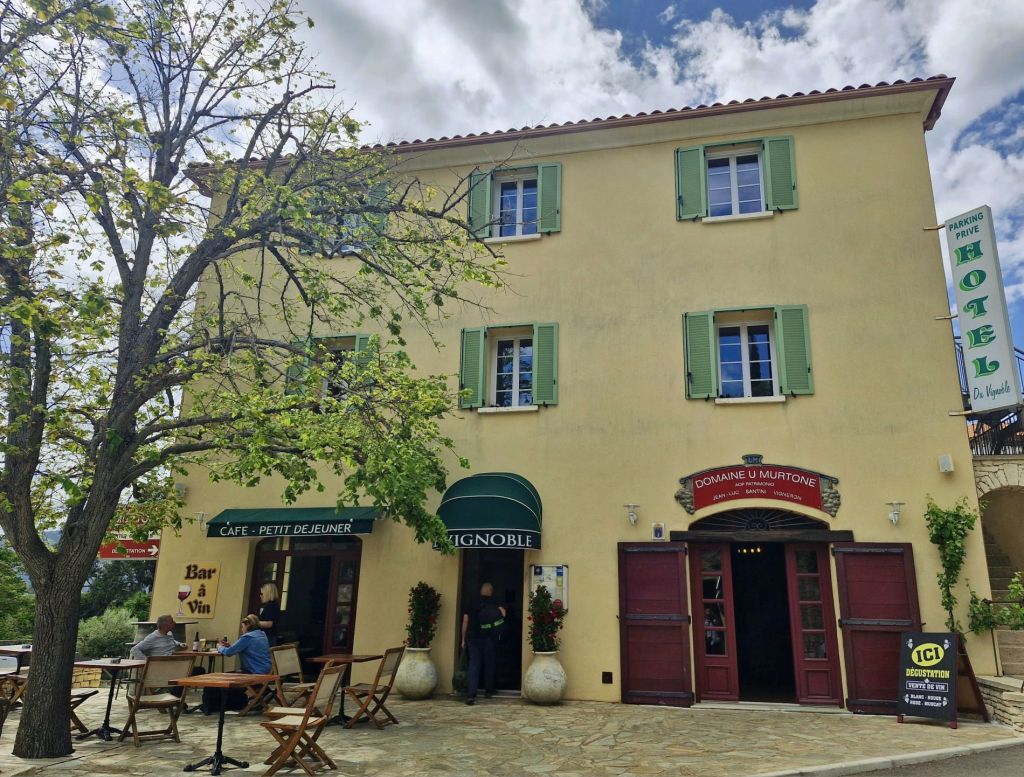
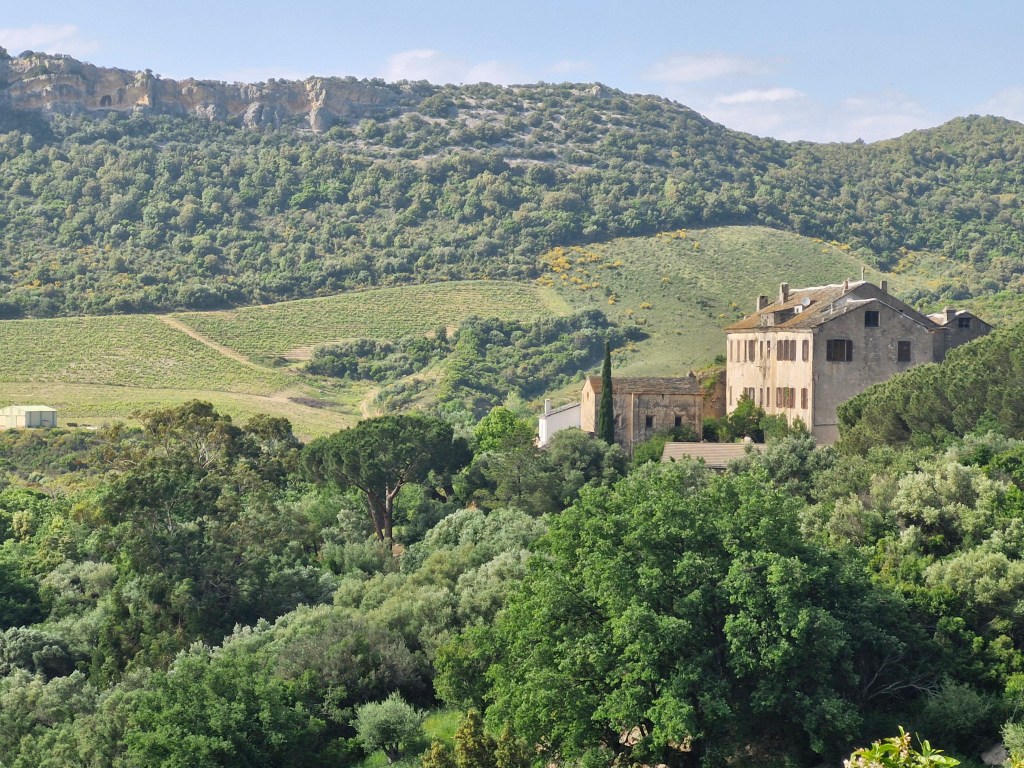
Saint Florent signalled the start of our spectacular drive around the long narrow peninsula of Cap Corse.
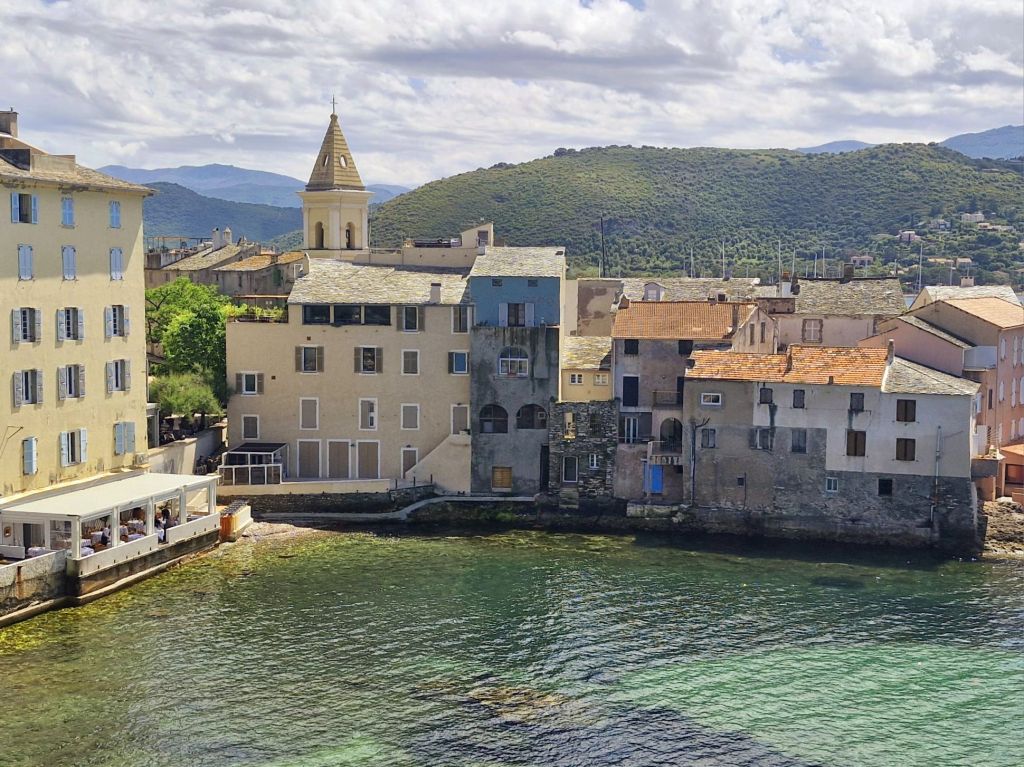
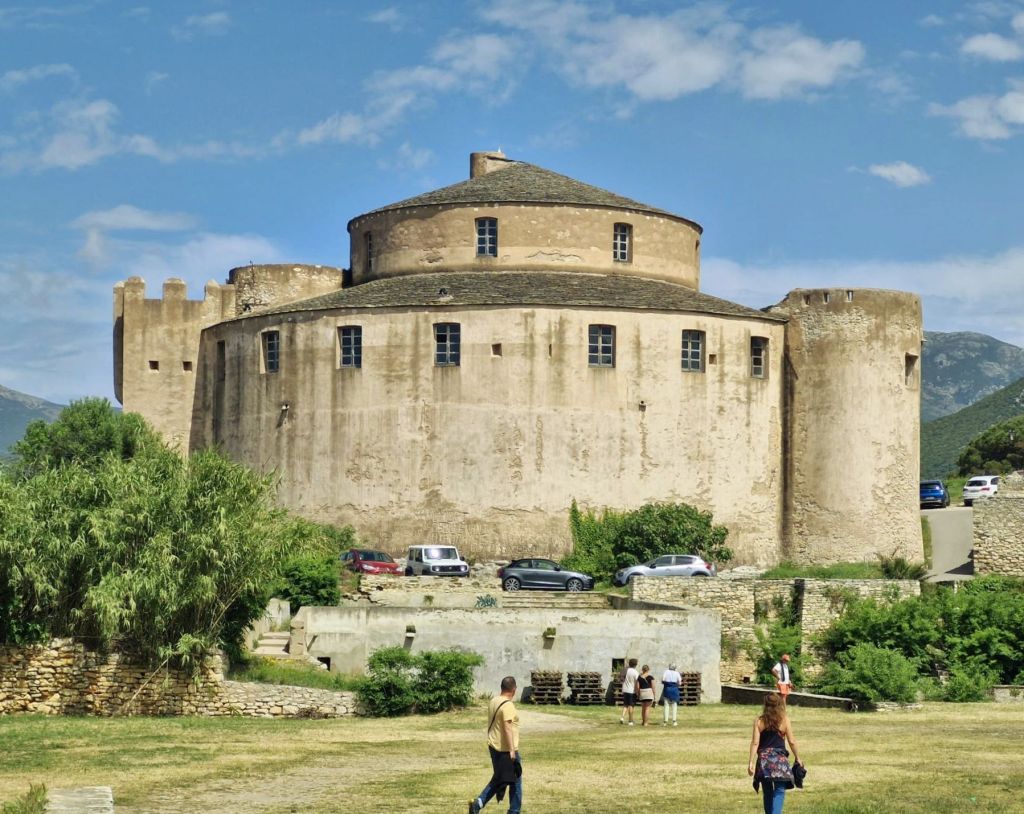
Cap Corse is one fantastic, hilly, curvy, winding drive. It is only 40kms in length, but we took a full day to drive it since narrow roads and stunning sights demand a slow approach.
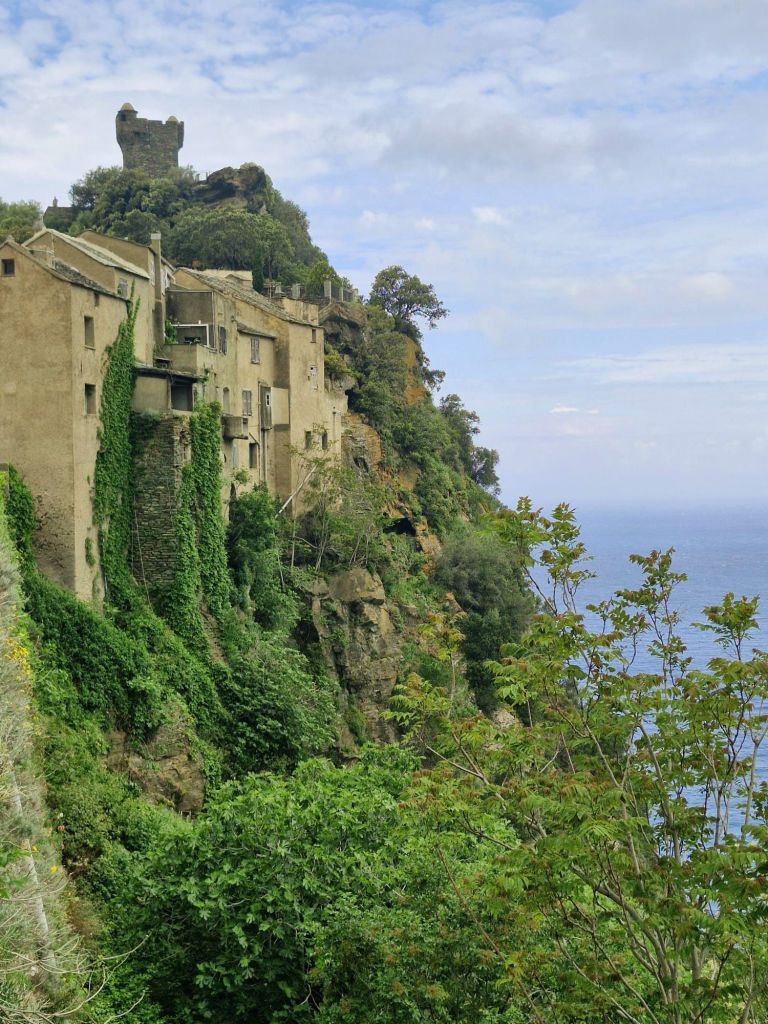
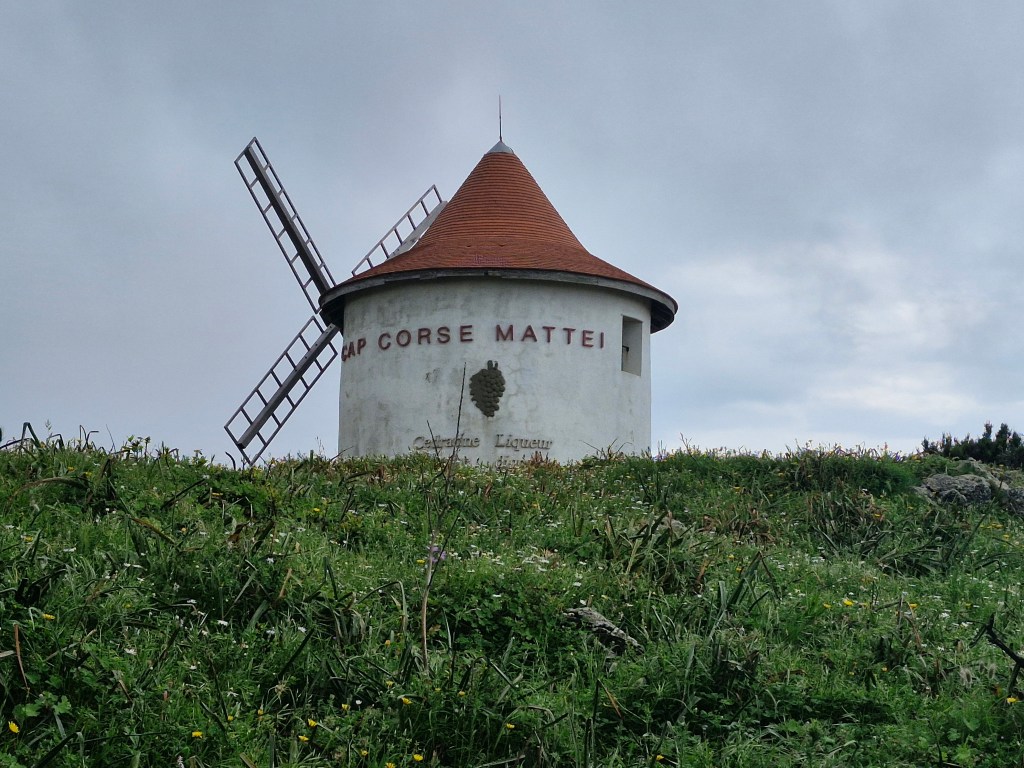
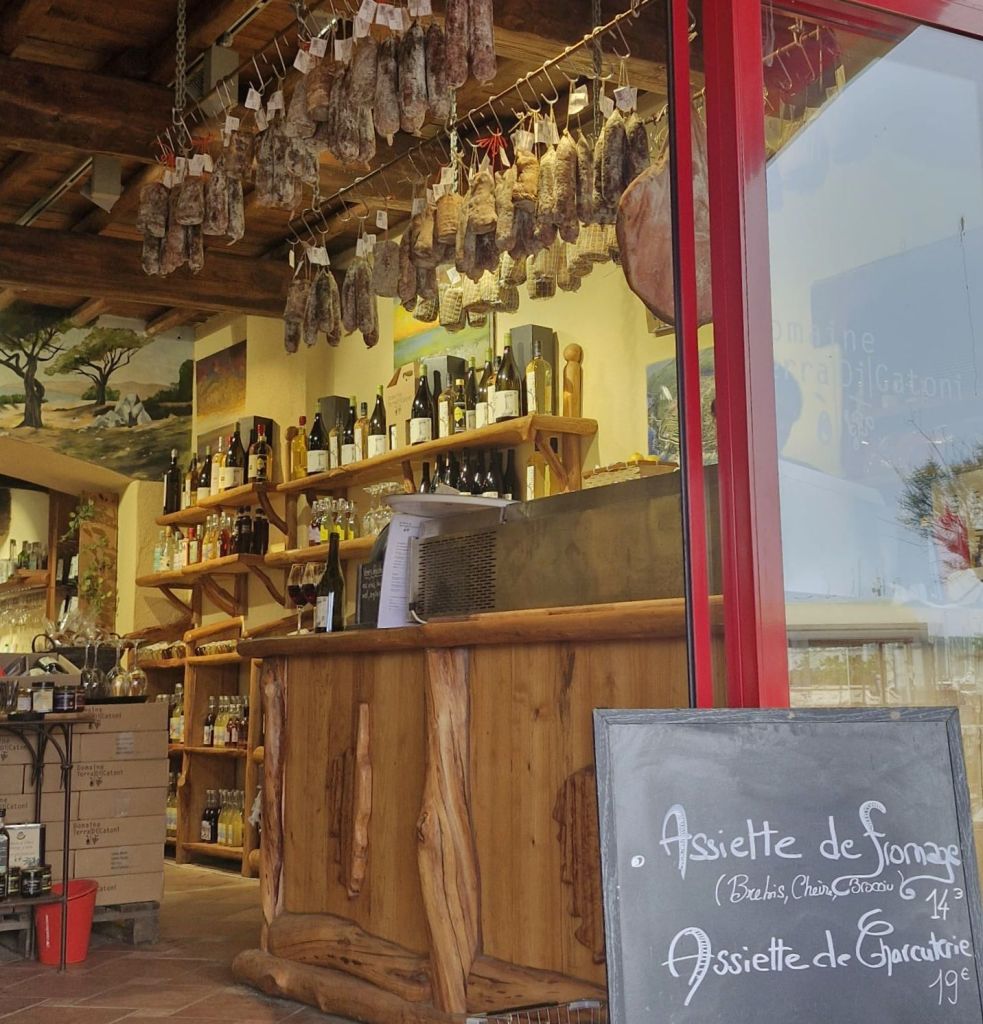
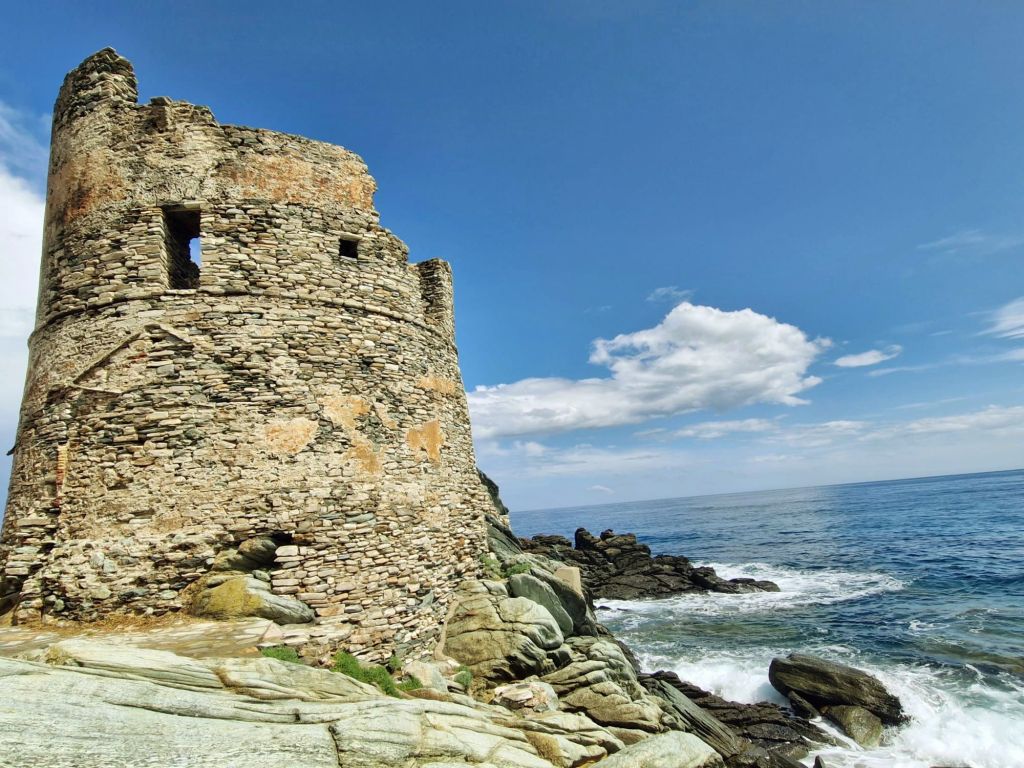
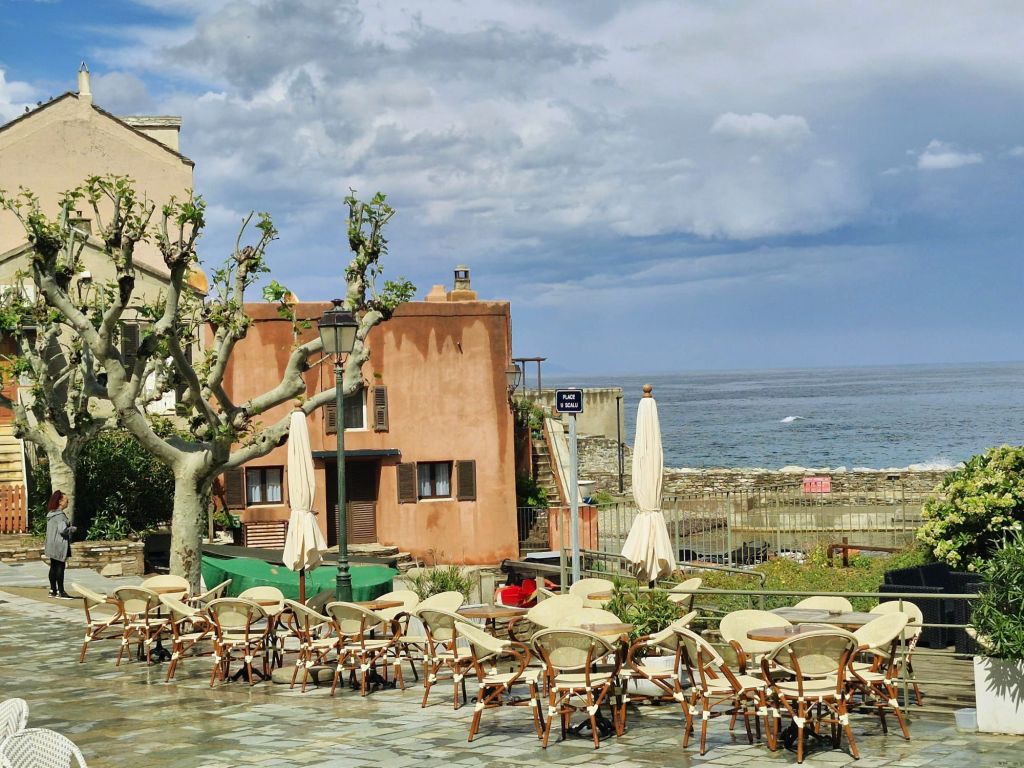
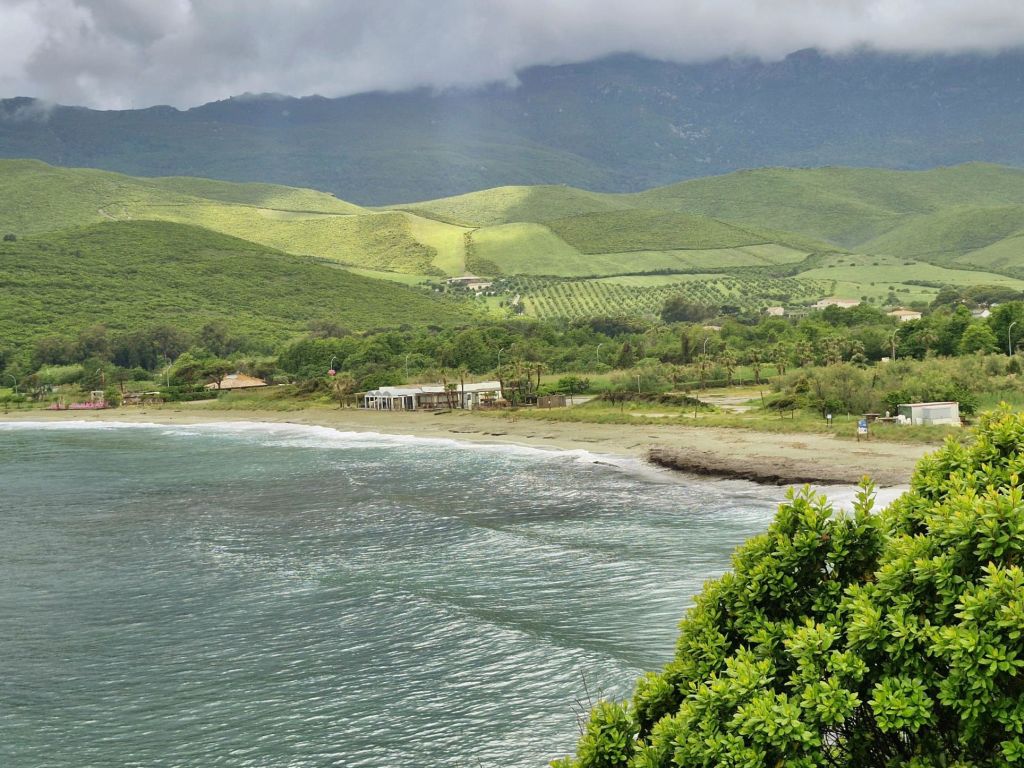
Our arrival in Bastia signalled the end of the drive around Cap Corse. This city fairly bustles along in its commercial chaos, has an airport and a ferry connecting to Sardinia.
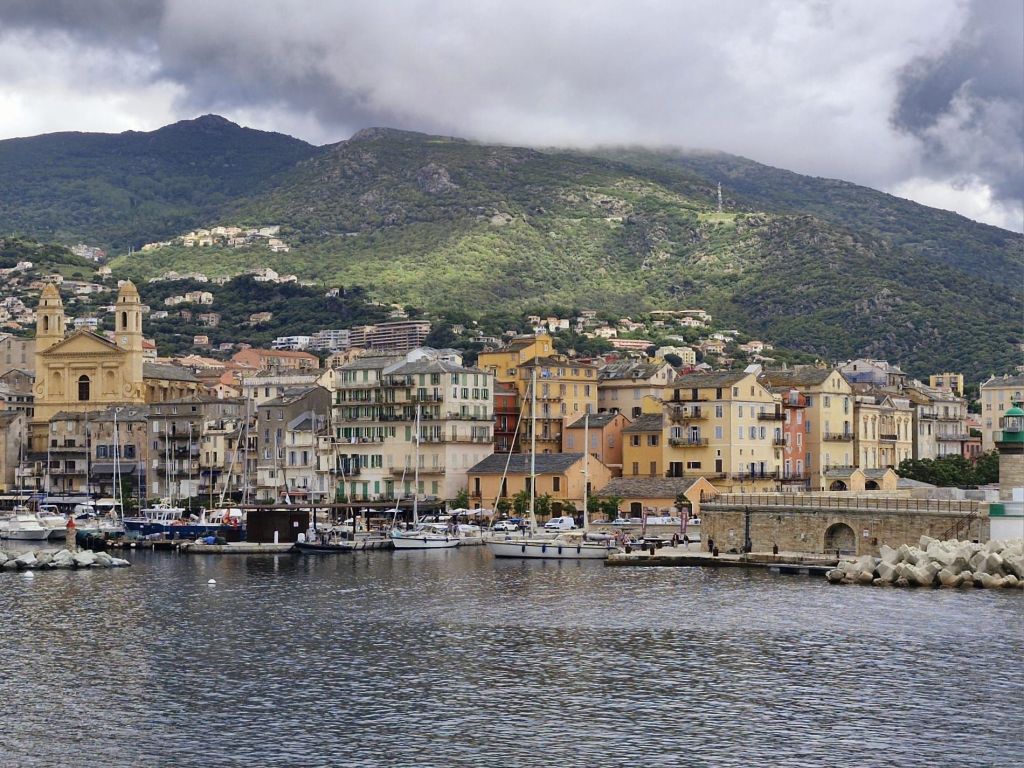
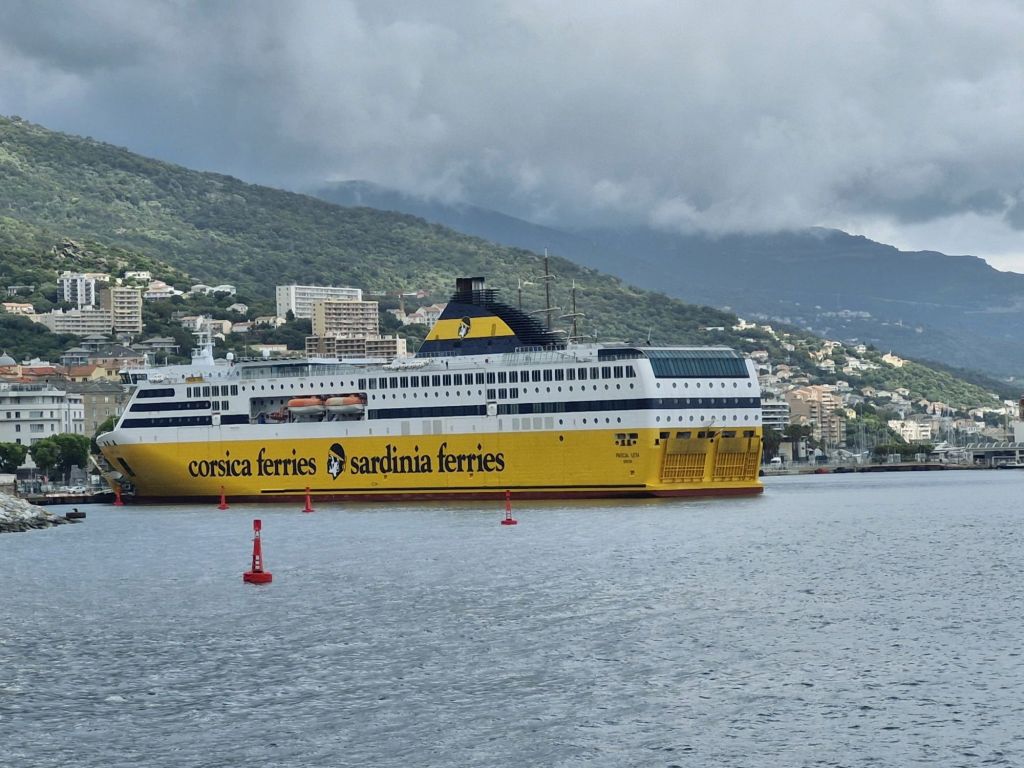
From Bastia we left the sea behind us and ventured inland to Corte, a fabulous fort town.
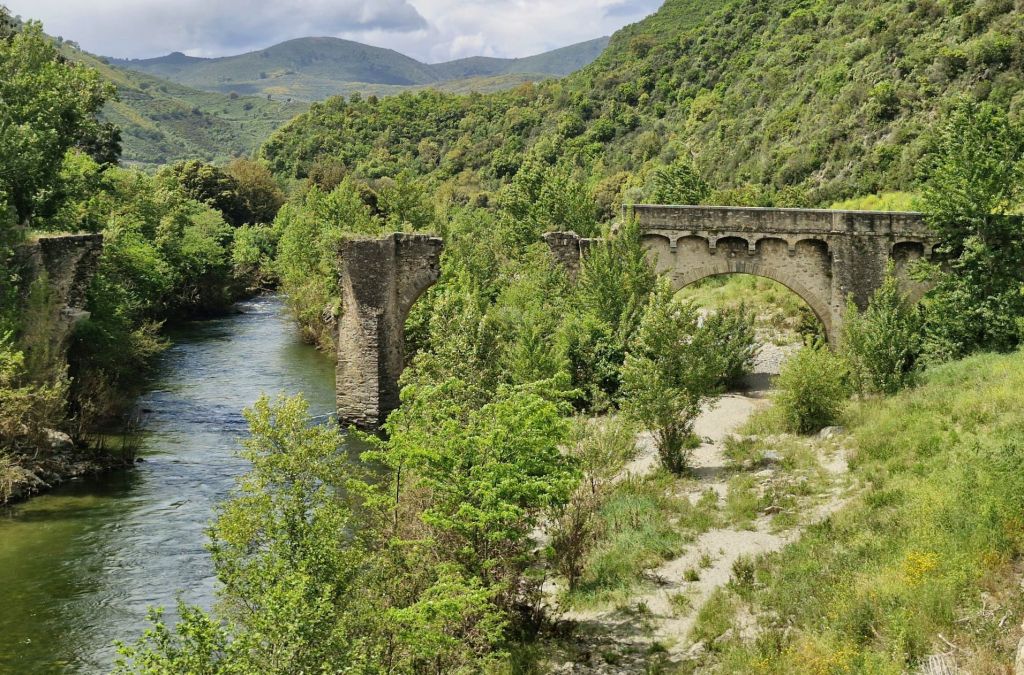
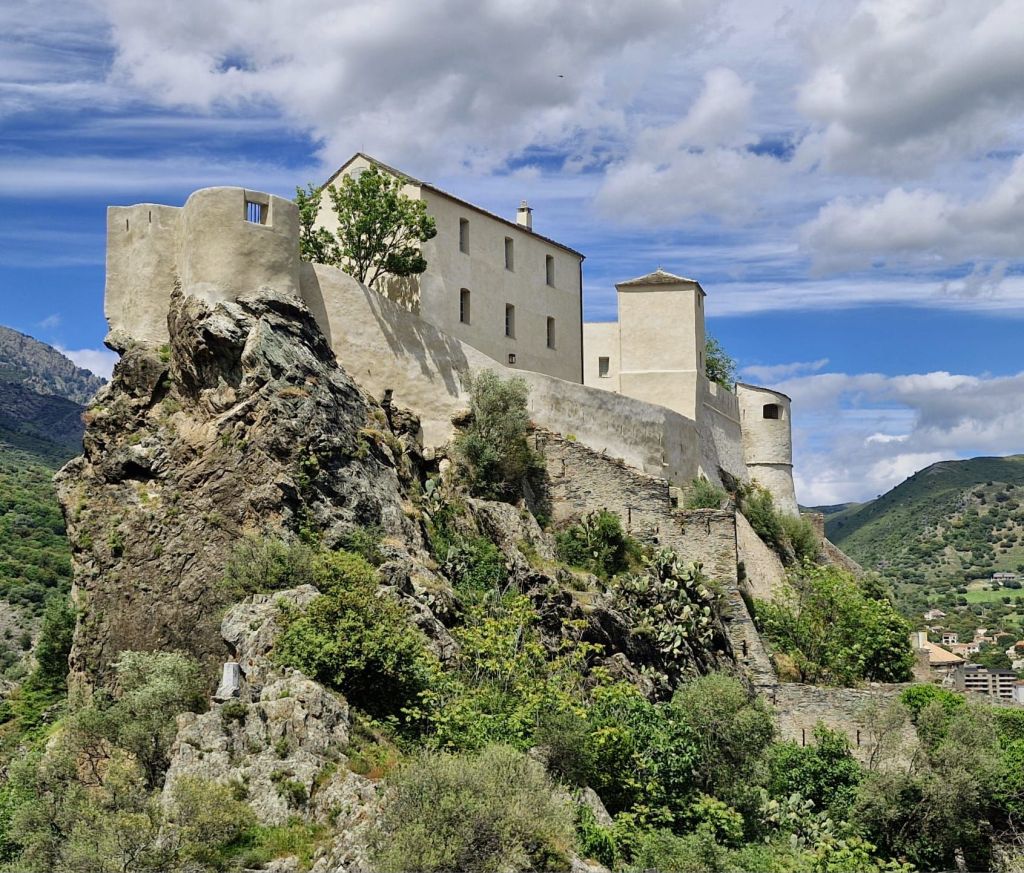
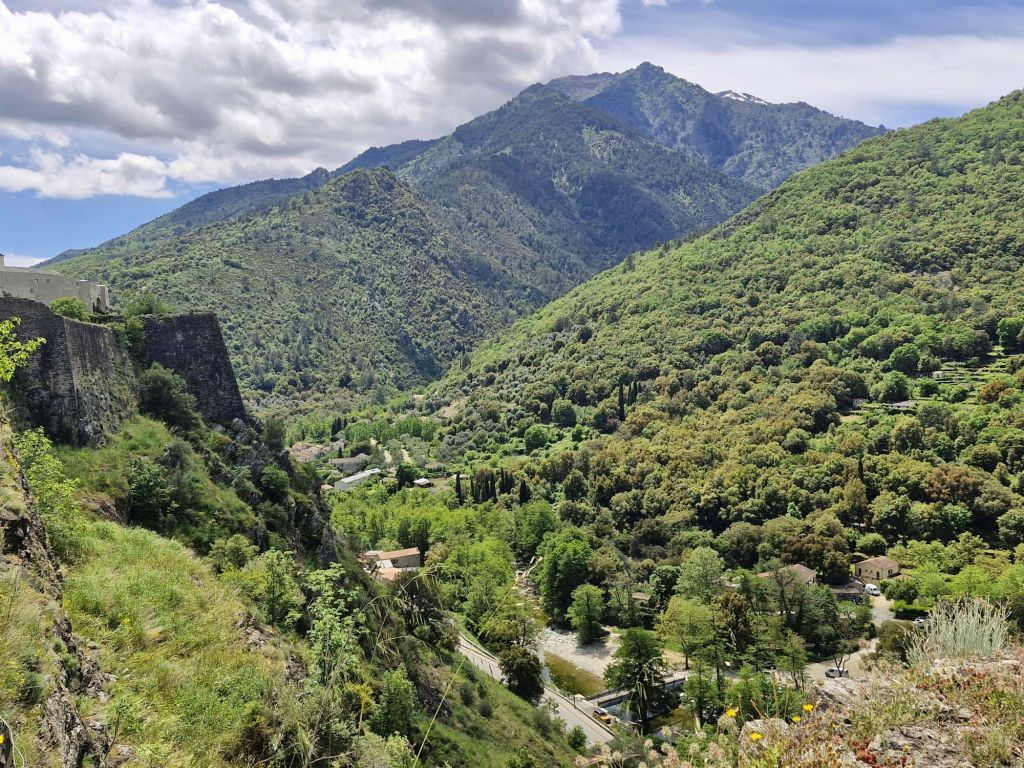
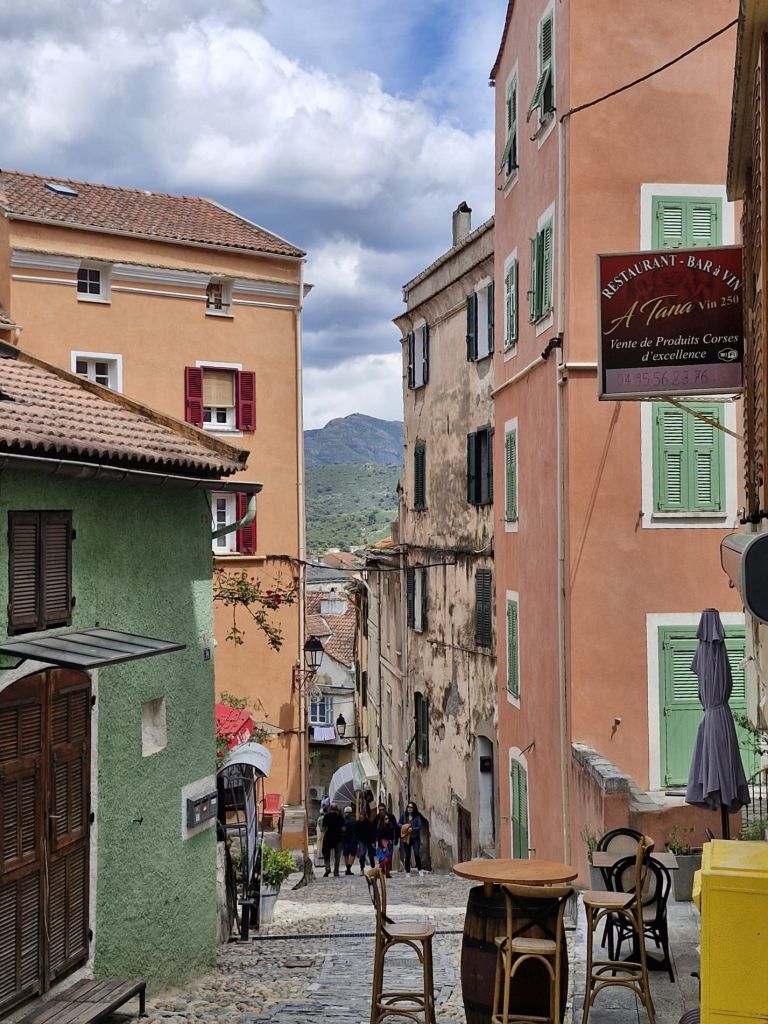
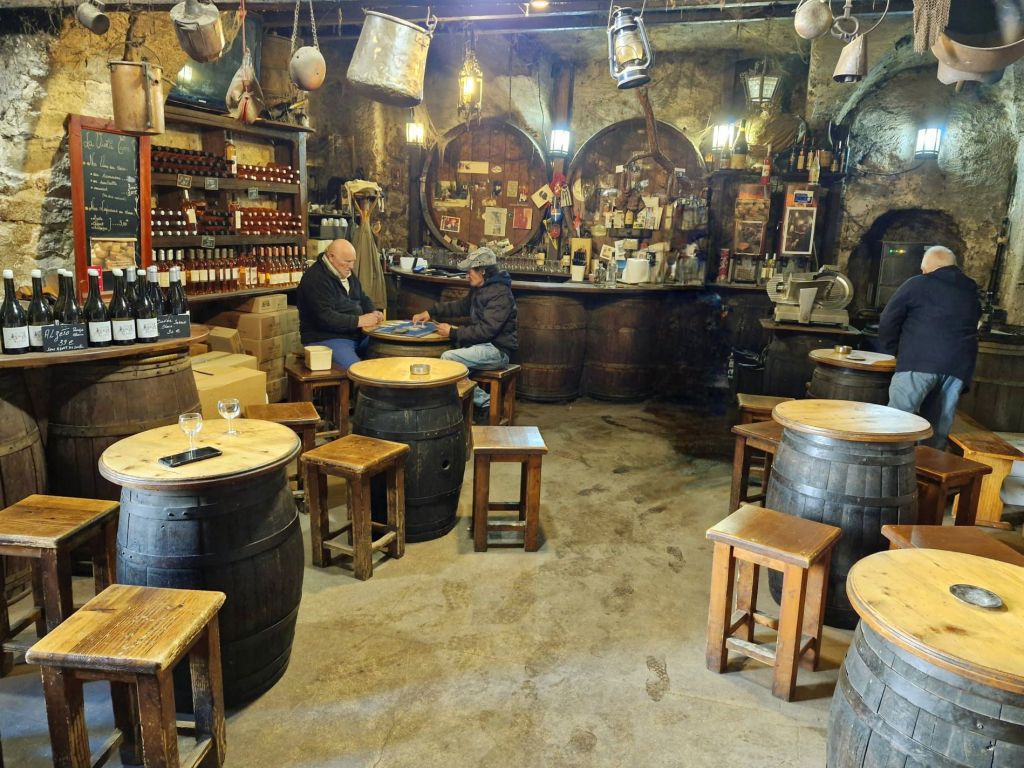
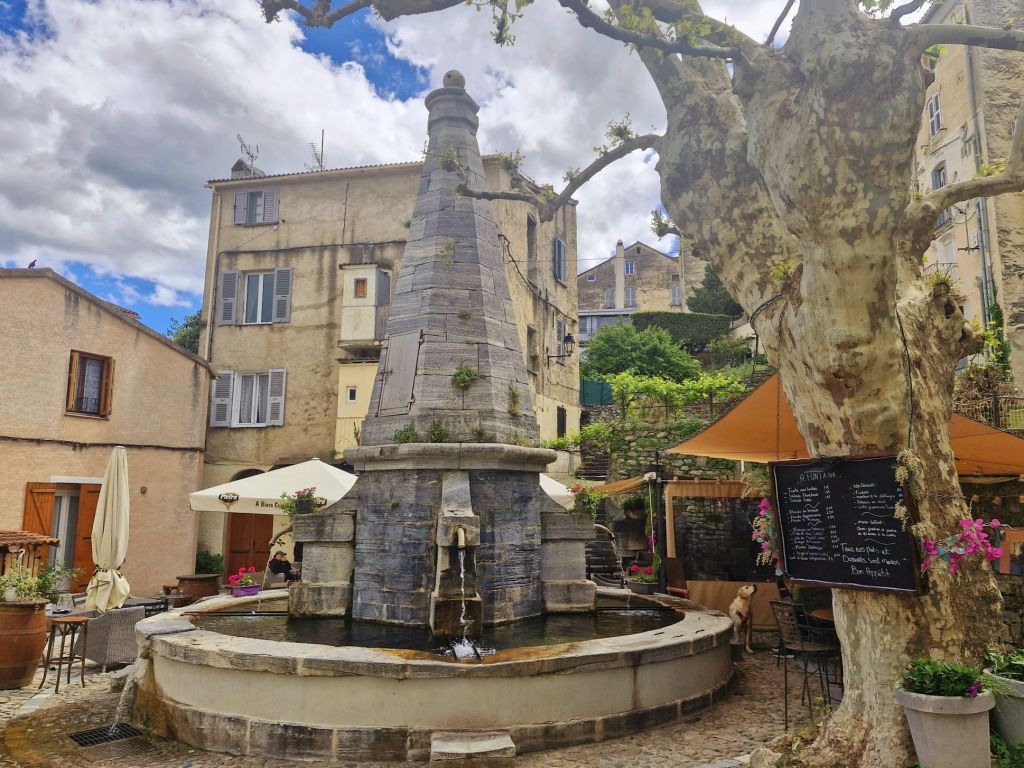
The drive from Corte to Bonifacio in the south delivered mountain and beach views as well as a stop at popular Porto Vecchio.
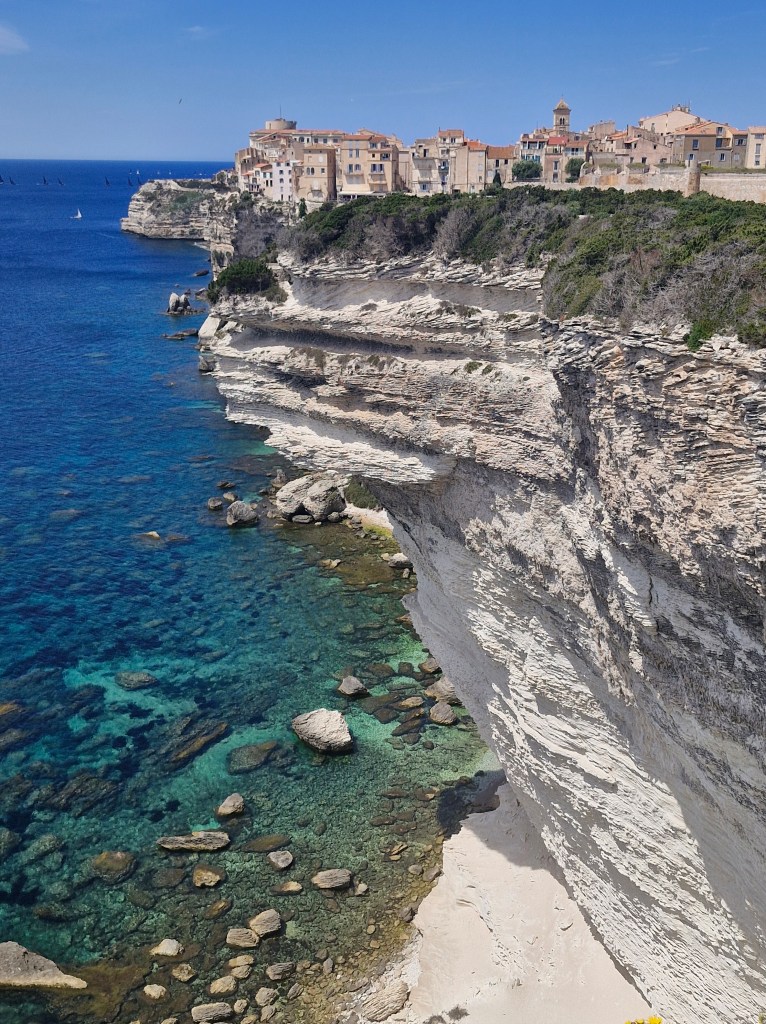
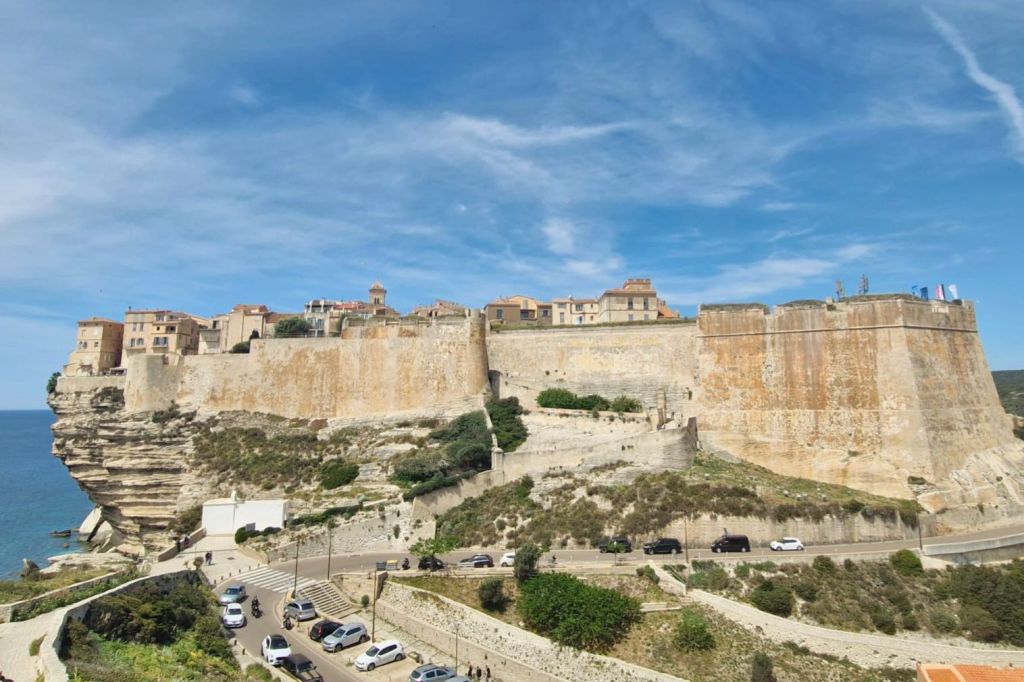
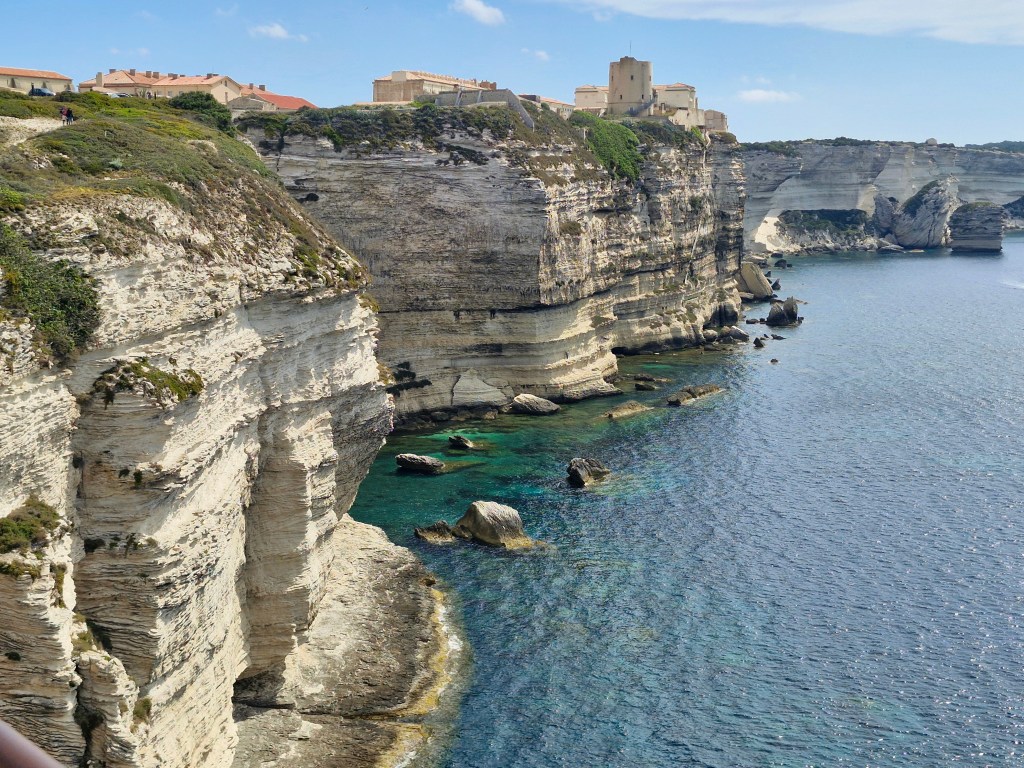
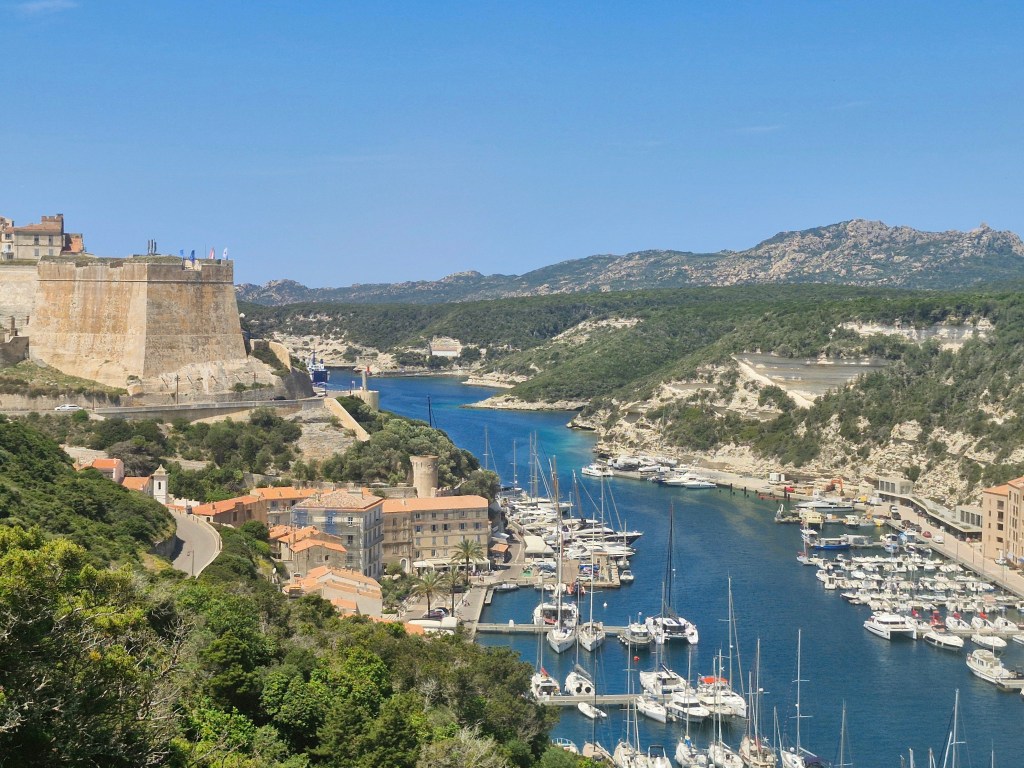
Medieval Bonifacio is worth the trip alone to Corsica. Dominated by impressive limestone cliffs and tucked high on a hill surrounded by a citadel, the old town which dates from 830 is an absolute delight to wander and photograph. Equally delightful is the Port where boats and cafes vie for attention.
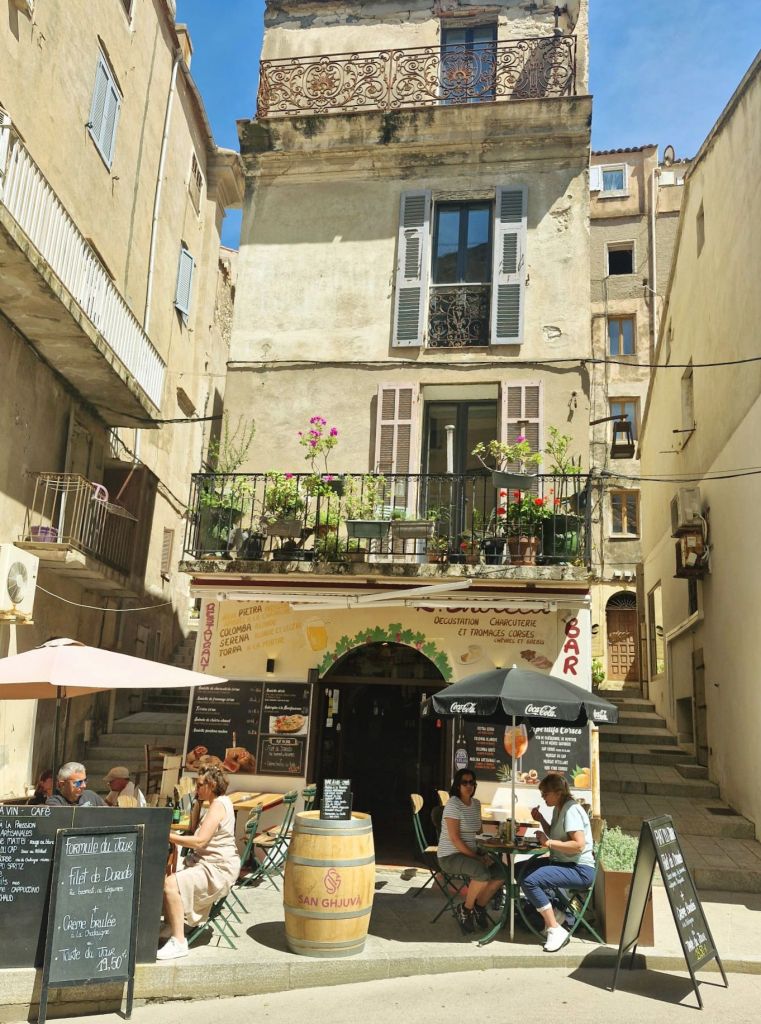
Our last leg of driving around this incredible island takes us from Bonifacio to Ajaccio – back where we began. Again, the villages and views are picture book perfect.
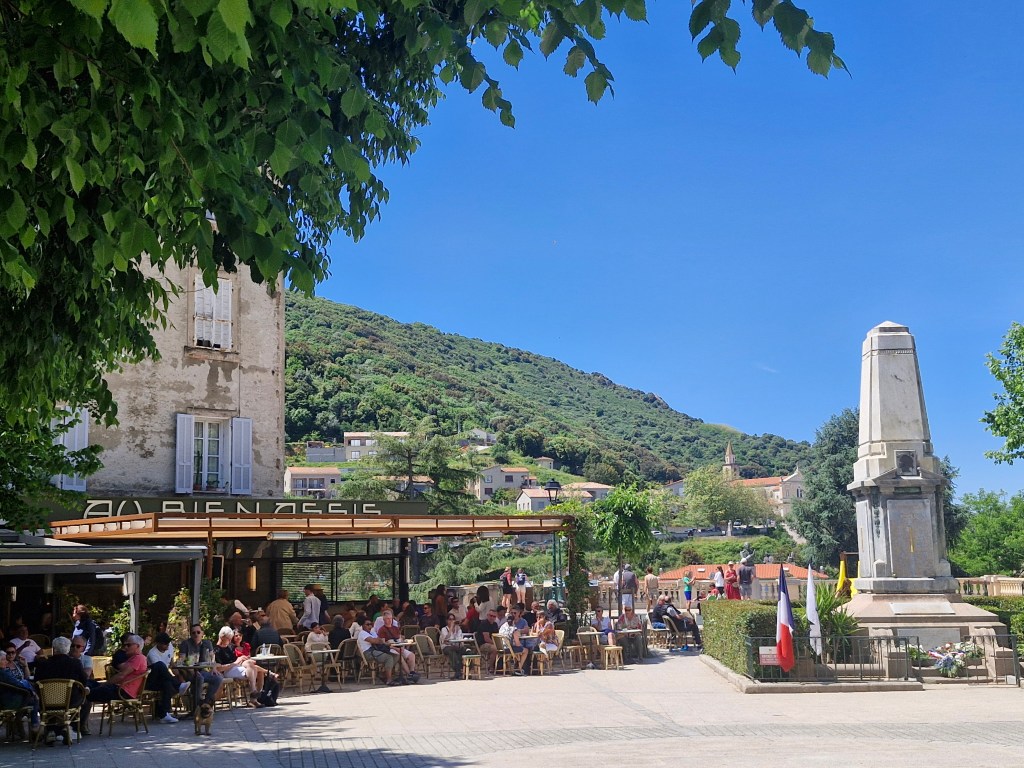
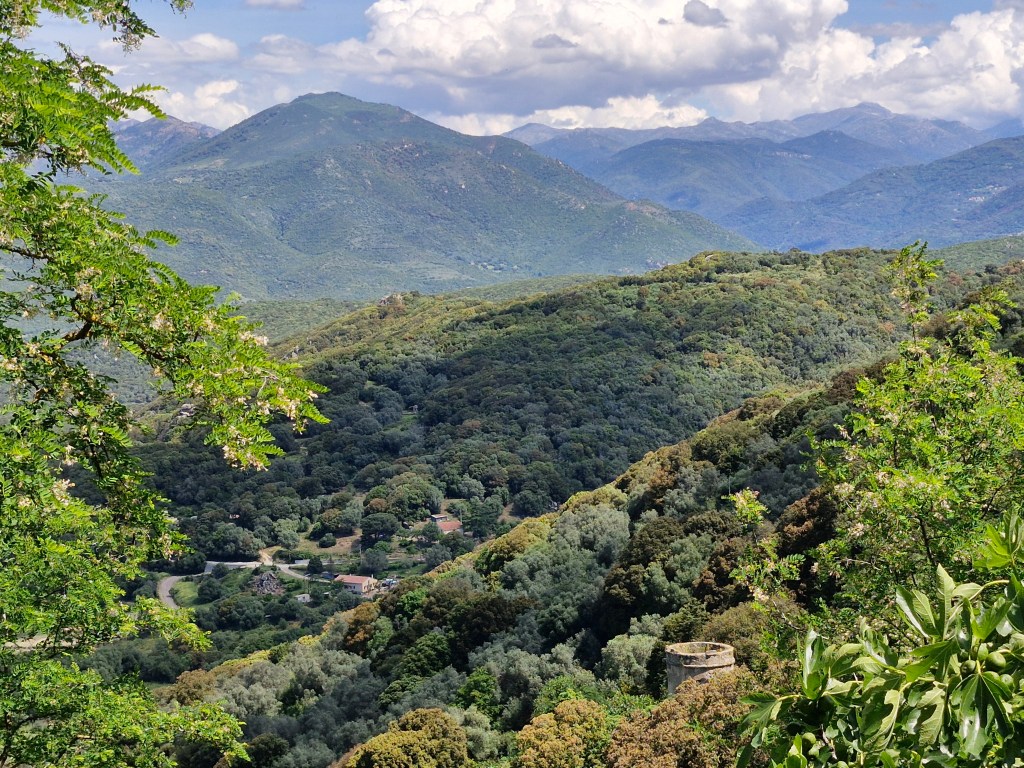
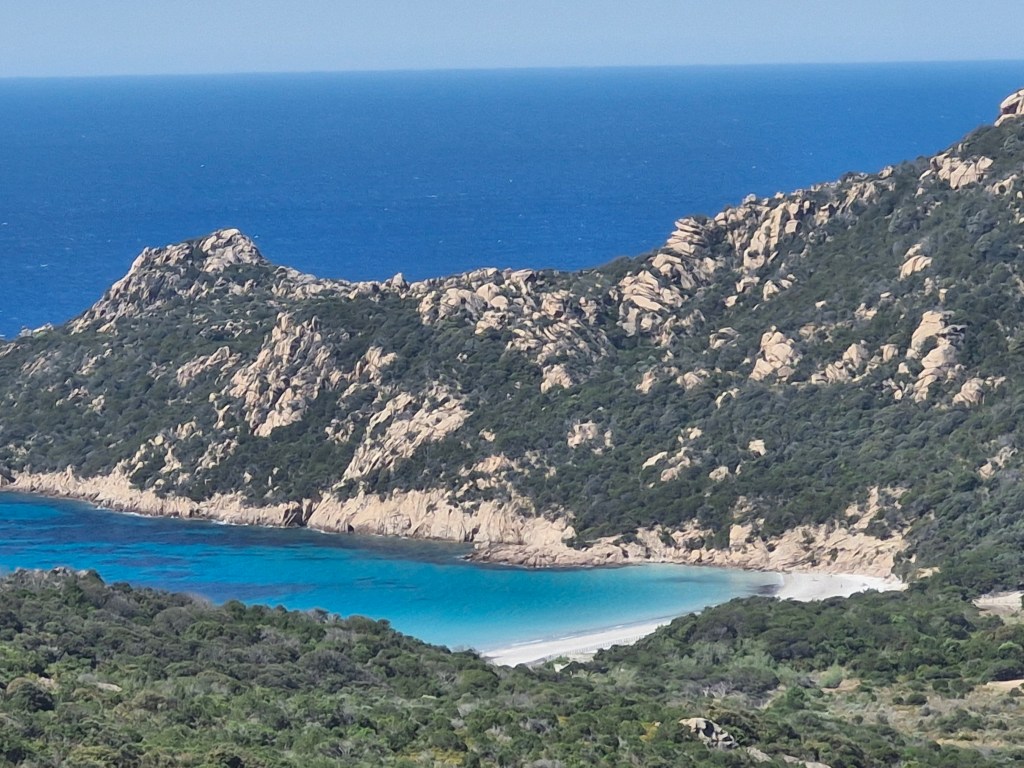
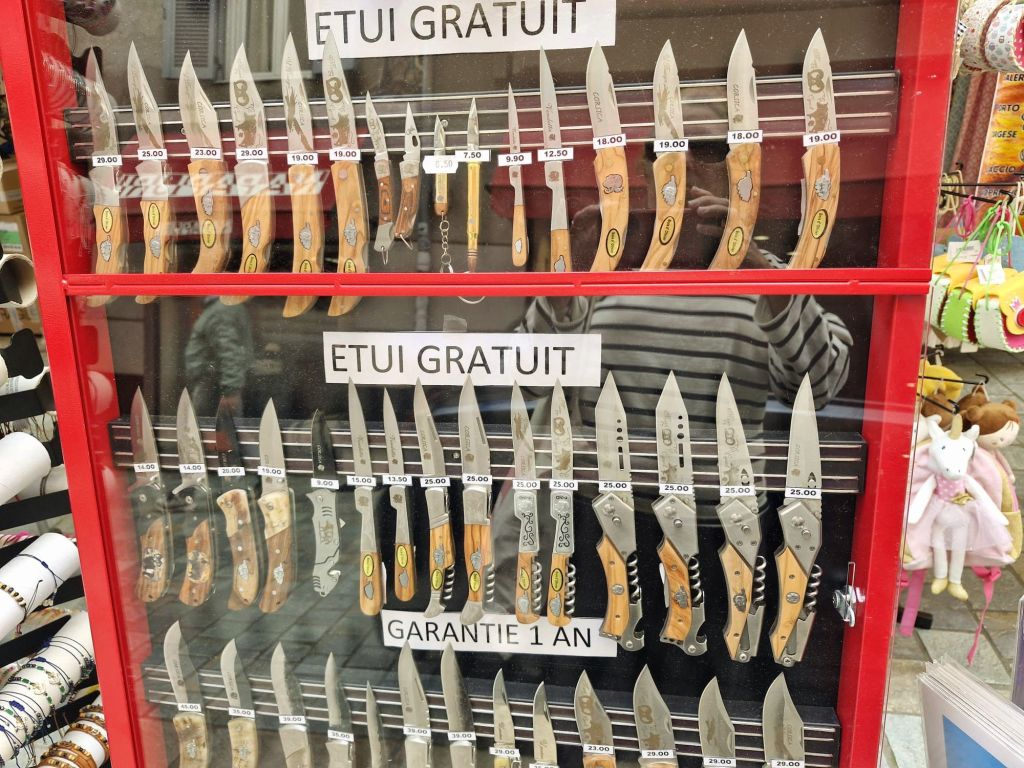
And about those vendettas? Stabbing was the favoured method and plenty of decent daggers are sold to tourists as mementos of those times. But, do read A Vendetta for a totally different method of retribution.
There’s also this Corsican symbol below that dominates a visit to Corsica.
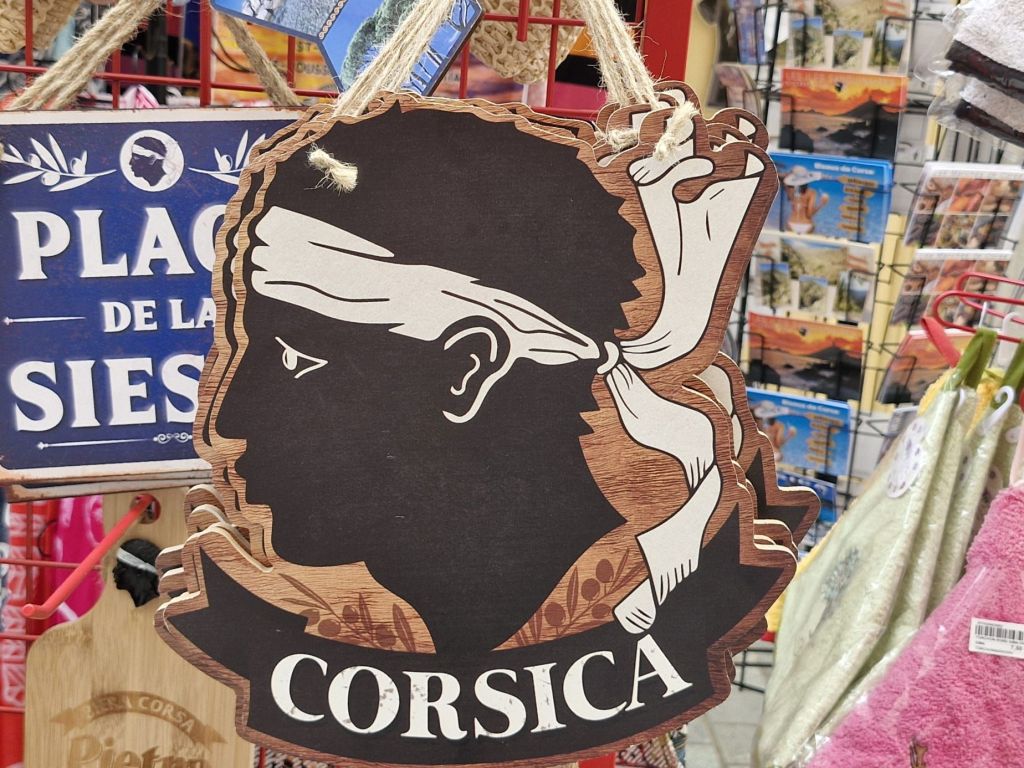
It dates back to 1755 when Pascali Paoli staged a full scale rebellion for independence from Genoa. The symbol of resistance and patriotism with a touch of ‘no guts no glory’ was the head of a black Moor wearing a white bandana.
Anyway, Paoli’s resistance was short lived since Genoa ceded its rights to France, French forces slaughtered the Corsicans in 1769 and Corsica became part of the French Republic. The Corsican Nationalist movement is still strong today with their goals being more autonomy and full independence.
If exploring a Mediterannean island is gaining traction in your travel world, take a deep dive into Corsica. You won’t be disappointed.
Au revoir Corsica. We’re now bound for the motherland capital Paris for a few days before heading home.

