
Gdansk Old Town is where we pulled up stumps for 5 days to revel in the sights that deservedly put this city front and centre on the tourist map.
Our apartment on Dlugi Targ (that’s it in the feature photo – the yellow building in left) was spacious, comfortable and afforded us fabulous views.
Dlugi Targ (Long Market) is the main street, stretches from Golden Gate at one end to Green Gate at the other, was the Royal Route and is lined with once wealthy merchant houses.


Today this fascinating street is packed to the rafters with shops, cafes and historical sights.

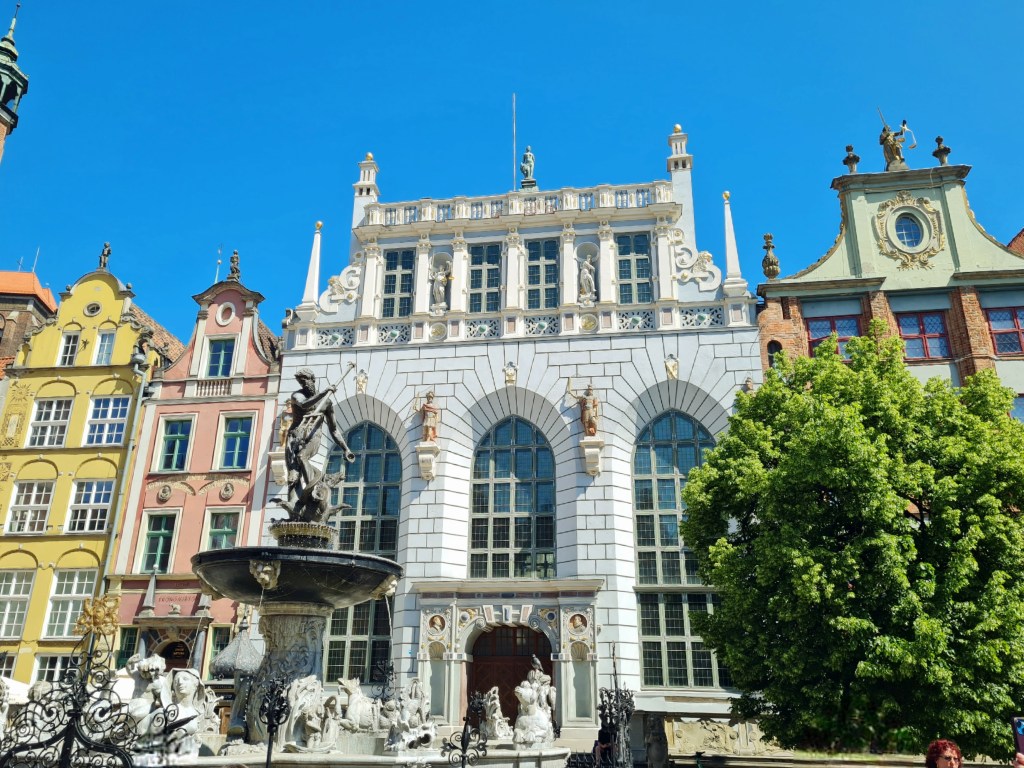
Nearby are even more interesting sights
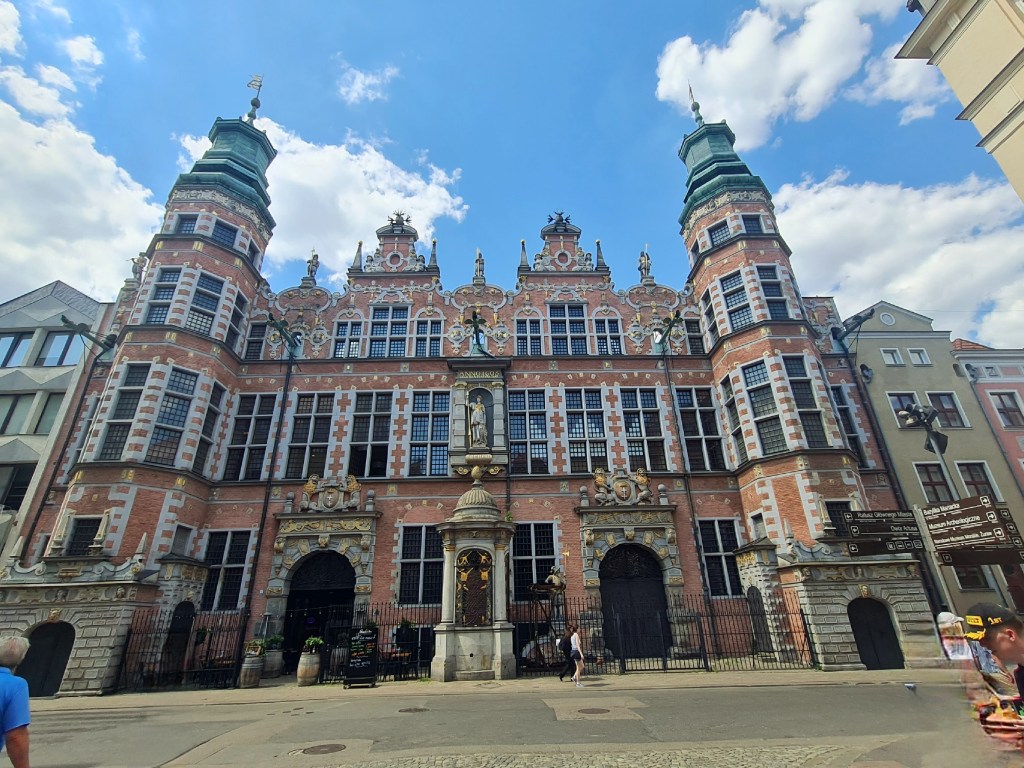


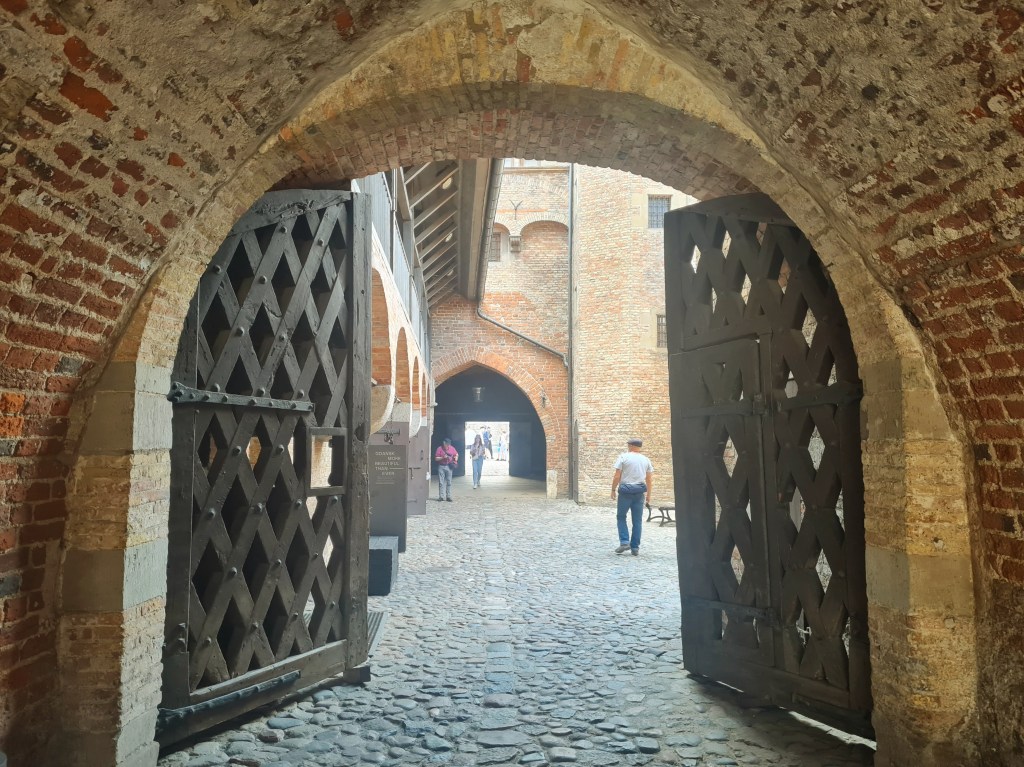
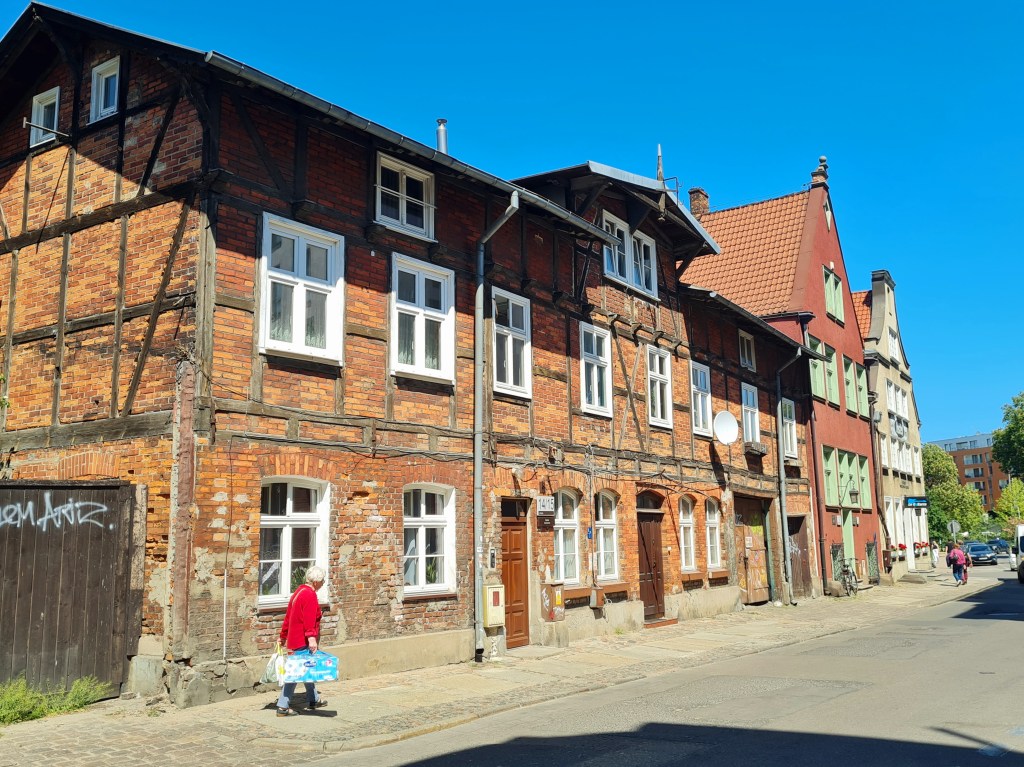
Gdansk has had a tangled web of Polish, German and then Polish rule over the centuries. This important seaport city once called Danzig is a town with a complex, compelling history.
Ceded to Prussia in 1793, the city was eventually absorbed into the newly unified Germany in 1870. After WWI, free city status was granted. However, a robust Germany returned and when Gdansk resisted, Germany fired shots at Westerplatte and World War II began. Chamberlain’s euphoric peace for our time speech was rendered useless.
There’s quite a bit to see at Westerplatte (40 minutes by boat down the Motlawa River): bunkers, watch tower, monuments and burial sites which are connected by winding tree lined paths.


Back in Gdansk, the World War II Museum was excellent.
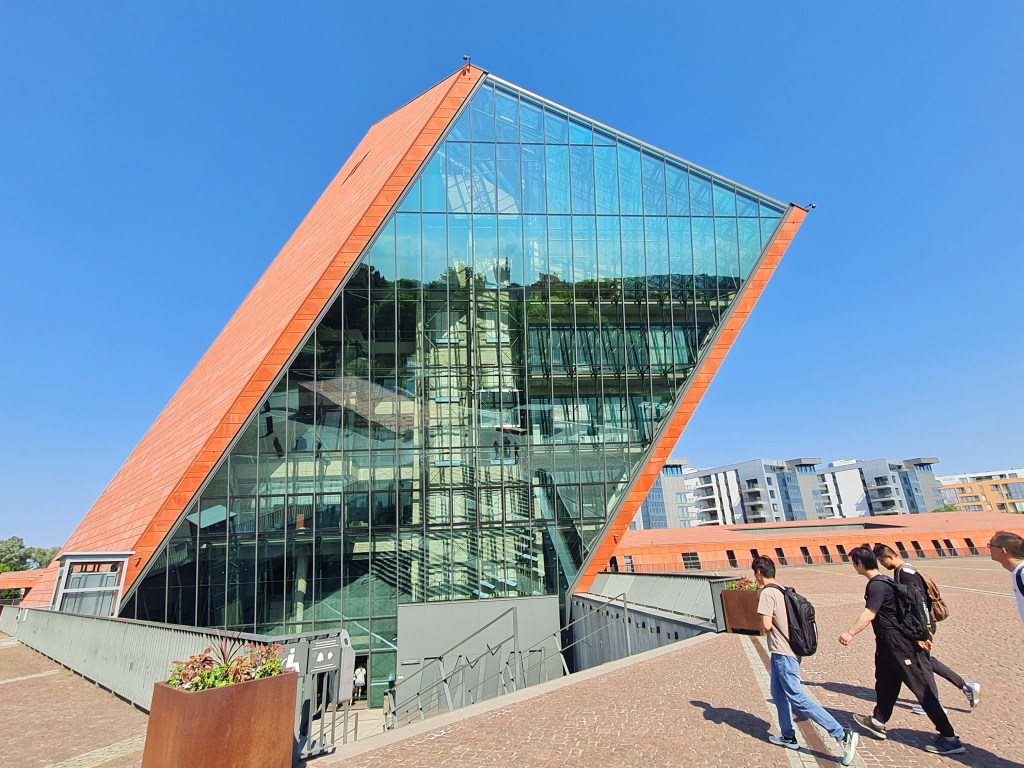
Unhappy with the terms of the Versailles Treaty, Germany set out to recoup lost lands, hence their attack on Poland on Sept 1 1939. Shortly after on 17 Sept 1939, the Soviet Union attacked Poland. The Hitler Stalin collusion heralded the partition of Poland.


The museum traces this awful time in history until the war’s end in 1945 with loads of detail and exhibits. It was seriously good to spend half a day here.
We arrived and departed by train. The Gdansk train station is a beauty.

We’re now headed to Poznan, our last stop in Poland.
 Fuelled by travel
Another clean city, but where is your foodie photo?
LikeLiked by 1 person
Always forget the food pics!
LikeLike
Very colourful place, looks lots of history.
LikeLiked by 1 person
Really liked Gdansk
LikeLike