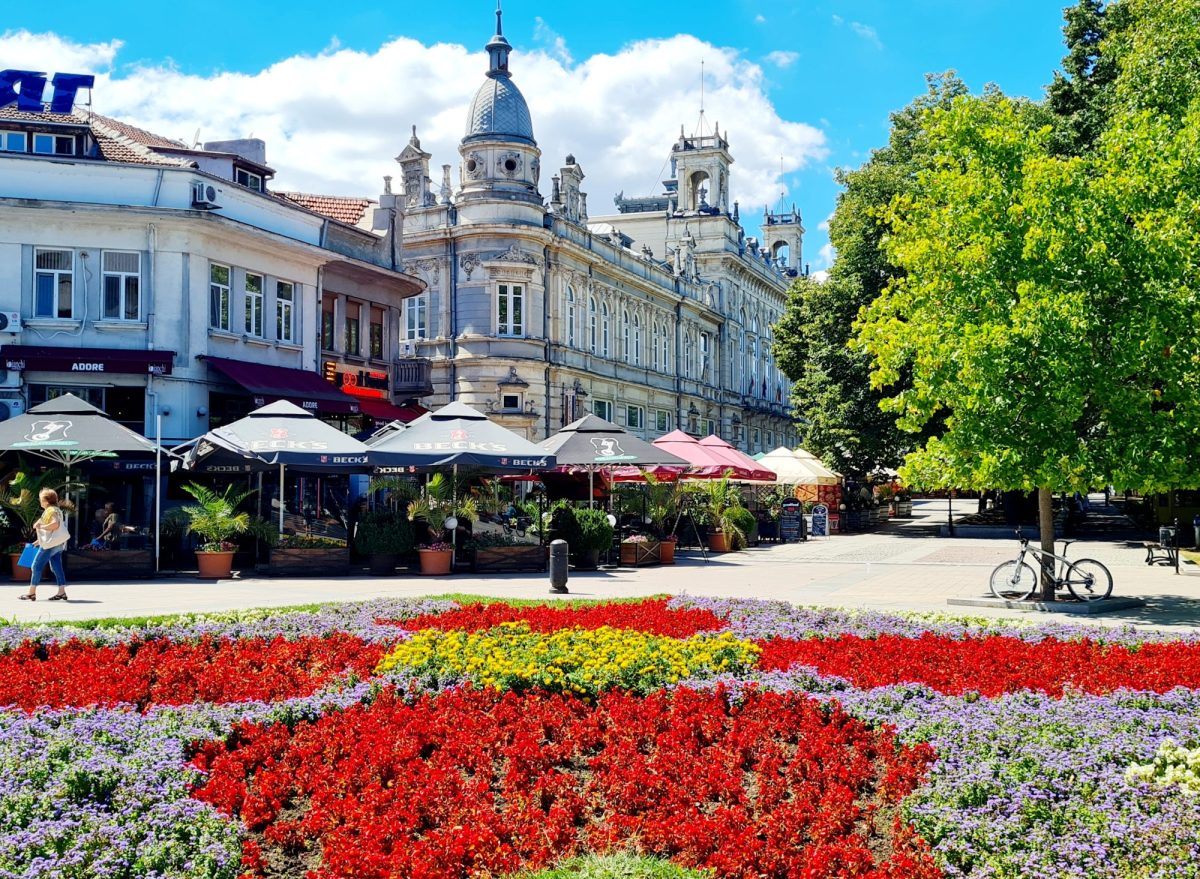
Today I bid an extremely reluctant farewell to Bulgaria – a country I’ve travelled around for a good chunk of a month quietly absorbing its history (Thracian, Roman, Byzantine Ottoman, Soviet), landscapes (mountains to rivers to beaches), transport system, accommodation, food and people.
Yes, Bulgaria has definitely done some heavy lifting to give tourists bang for their buck which is why I wouldn’t say no to returning in the future.
Thanks to an efficient bus and train service, we were able to plot a course that included Sofia, Plovdiv, Veliko Tarnovo, Ruse as well as the Black Sea towns of Varna, Nessebar, Burgas and Sozopol.
We arrived in Sofia from Skopje North Macedonia on a bus which sailed through the border crossing in a painless fashion. Bulgaria’s capital was a short two day sojourn since we’d visited in 2019. See Bulgaria: Sofia
From Sofia we embarked on a comfortable 3 hour train trip through sunflower fields to Plovdiv, a town steeped in Thracian, Roman and Ottoman history as well as art.

Laying claim as the oldest continuously habited European city for 8,000 years, Plovdiv has a number of sites worth visiting.
The town’s main pedestrian street is long (one mile), lively and lined with shops, cafes and art galleries.
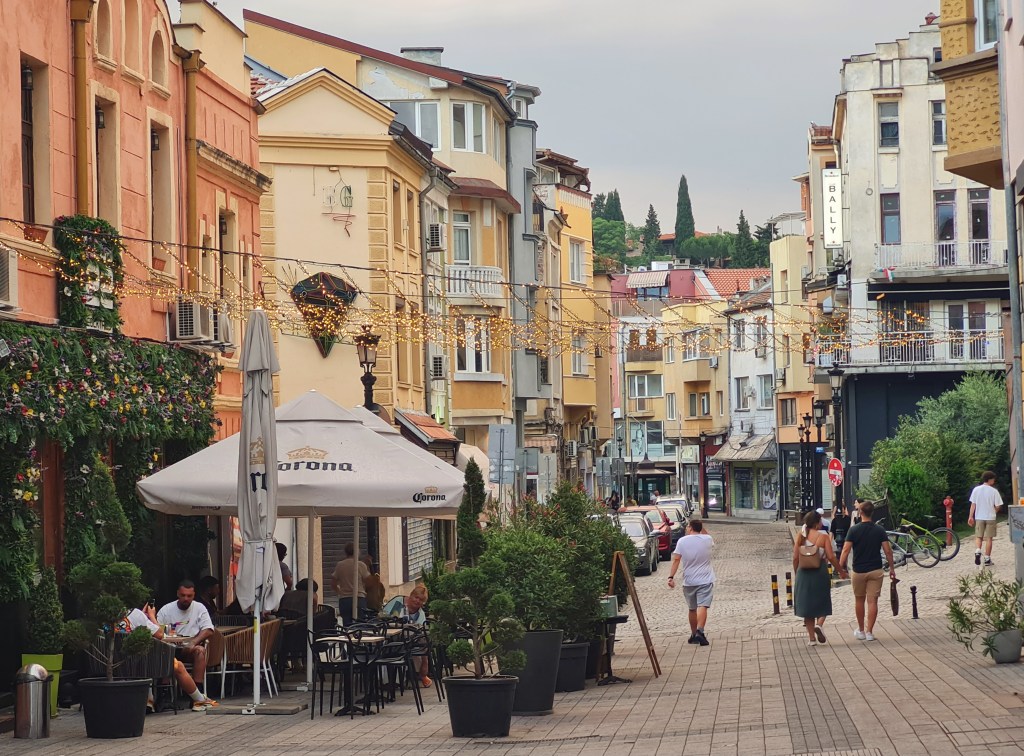

By a wide margin, this street is a delight to wander, however, it’s the Roman Stadium that lies beneath that captures attention.
With seating for 30,000, the 240 metre Stadium of Philippopolis (Alexander the Great’s father) was built in 1AD for chariot racing.
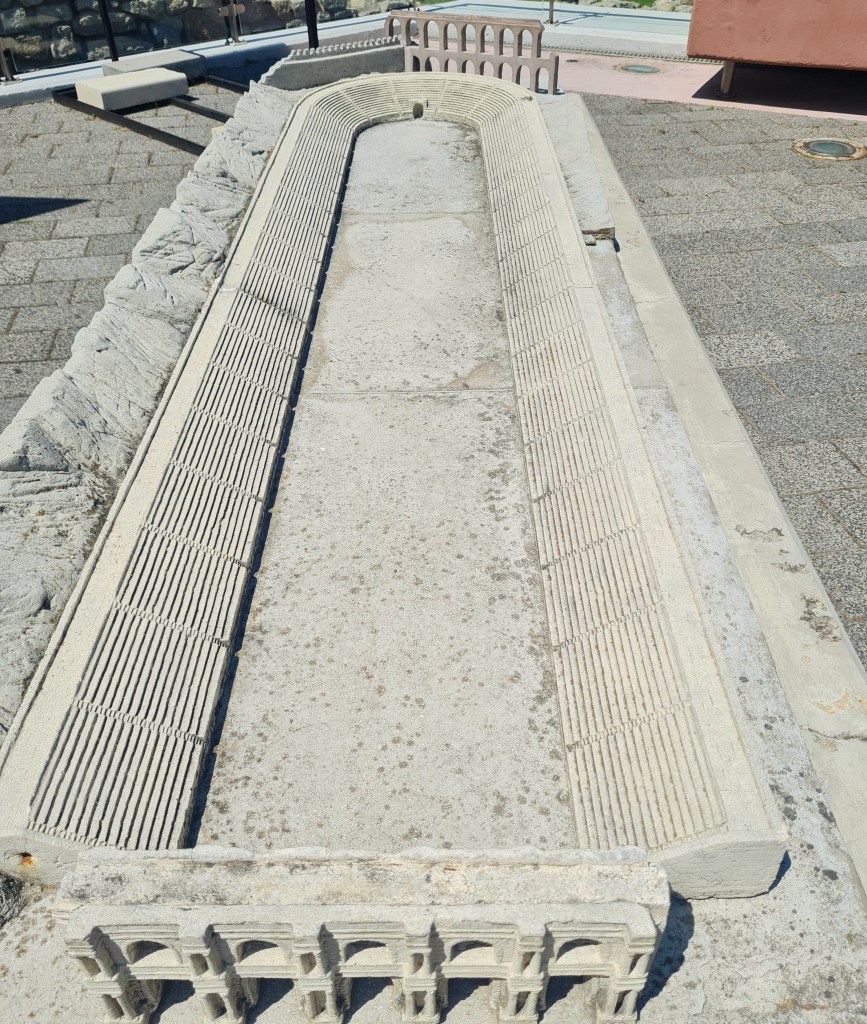
It goes without saying that the stadium will never be completely excavated. There are too many buildings above. However, a planned future walkway underneath will show visitors the excavated sites.

Plovdiv also boasts an ancient Roman theatre. Built in first century AD, it seated 5000 spectators and when excavated in 1968-79 revealed 28 rows of marble seats. The theatre finally opened to the public in 1982 and today an entry ticket allows unlimited access to every part of the theatre. It’s a glorious site and during our stay, Jesus Christ Superstar was being performed at night with tickets sold out months ago.

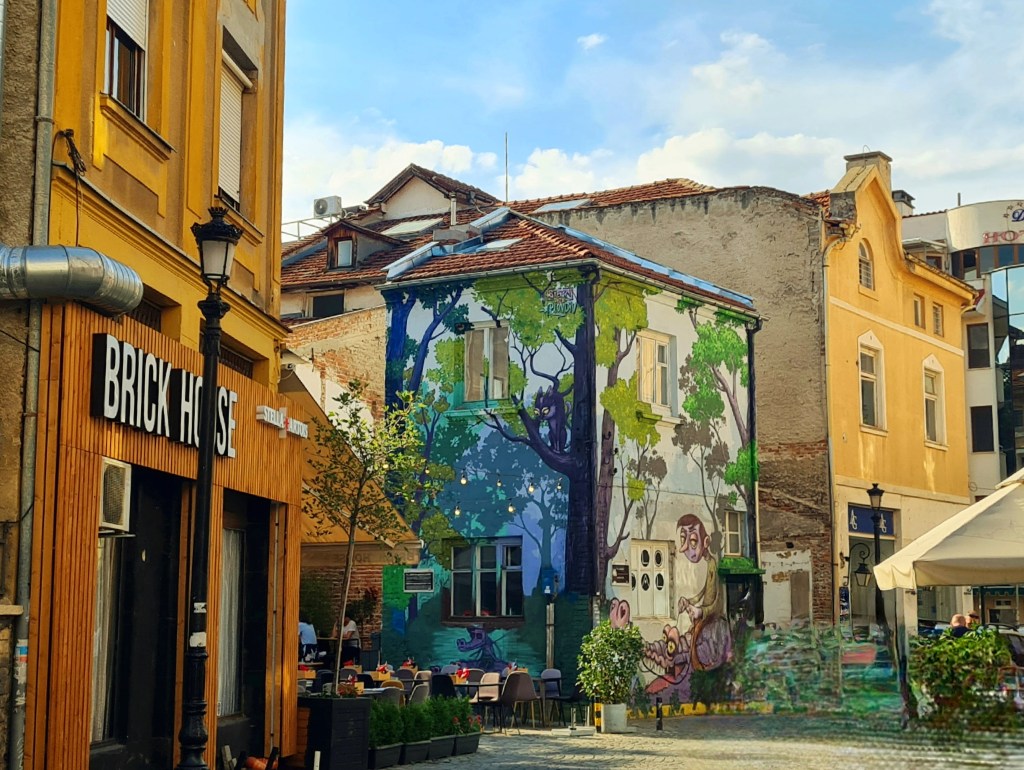
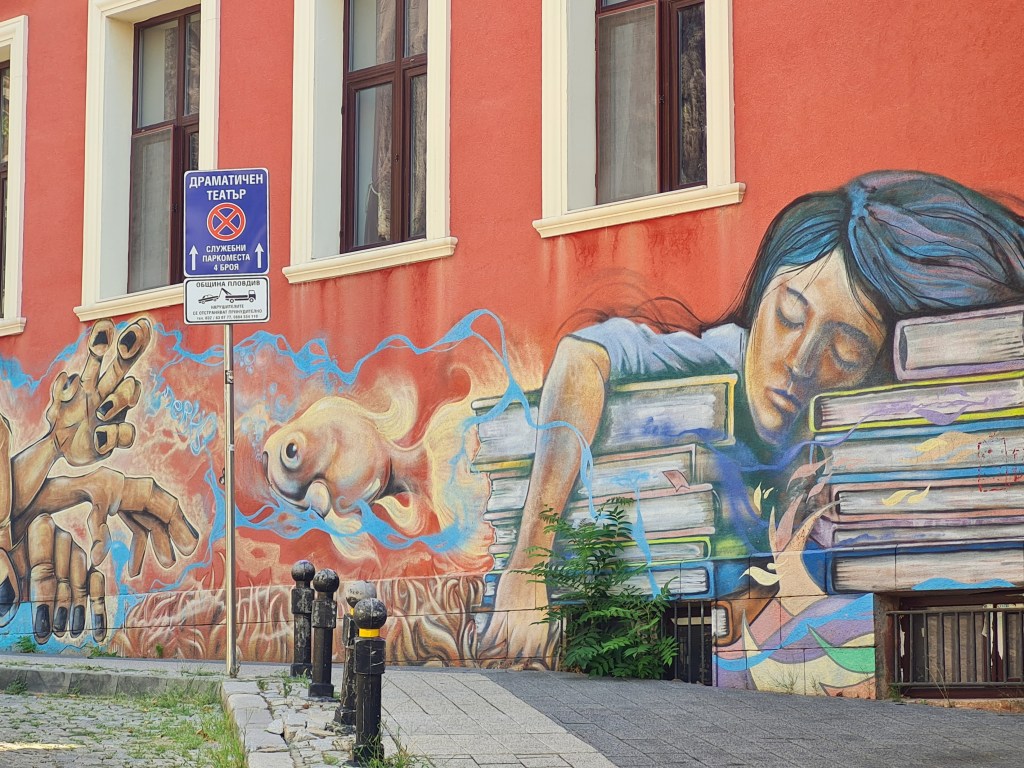
Plovdiv is also home to the interesting Kapana (The Trap), the site of an extensive Ottoman bazaar built 500 years ago. Cobblestone laneways travelled in every direction, and were so designed to make sure its maze encouraged shoppers to visit many shops. Modern day Ikea comes to mind. Anyway, in Ottoman times, craftsmen, artisans, merchants, coffee and tea houses abounded amidst the hustle and bustle.
Fire in 1906 destroyed the bazaar and the site decayed until 2014. With infinite wisdom, the government pedestrianised the narrow cobbled streets, reconstructed buildings and set out to attract artists and hospitality services with free rent for a year. It worked a treat. Kapana today is full to the brim with cafes, bars, restaurants, art galleries and guest houses. No one leaves Plovdiv without a visit, a drink or a meal here.



Plovdiv’s old town is near Kapana and is full of well maintained Ottoman houses once owned by wealthy merchants in the 1800s. Some like this one below have opened their doors to tourists.

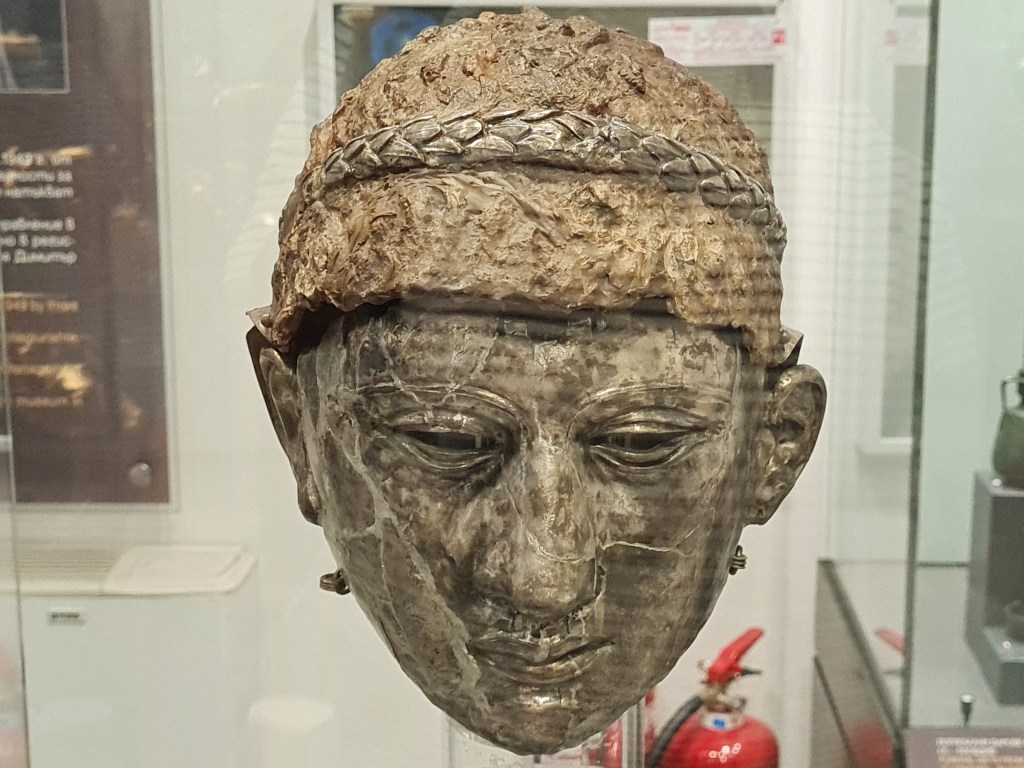
Another Plovdiv must see is the Archaeology Museum with exhibits in surprisingly good condition.
Below is a Thracian Roman iron helmet/mask from 1AD. Stolen from the museum in 1995, it was found and returned in 2015. It is one of only 3 such helmets in the world and is valued at 2 million euros. Kudos to those organisations who laboriously track down stolen works.

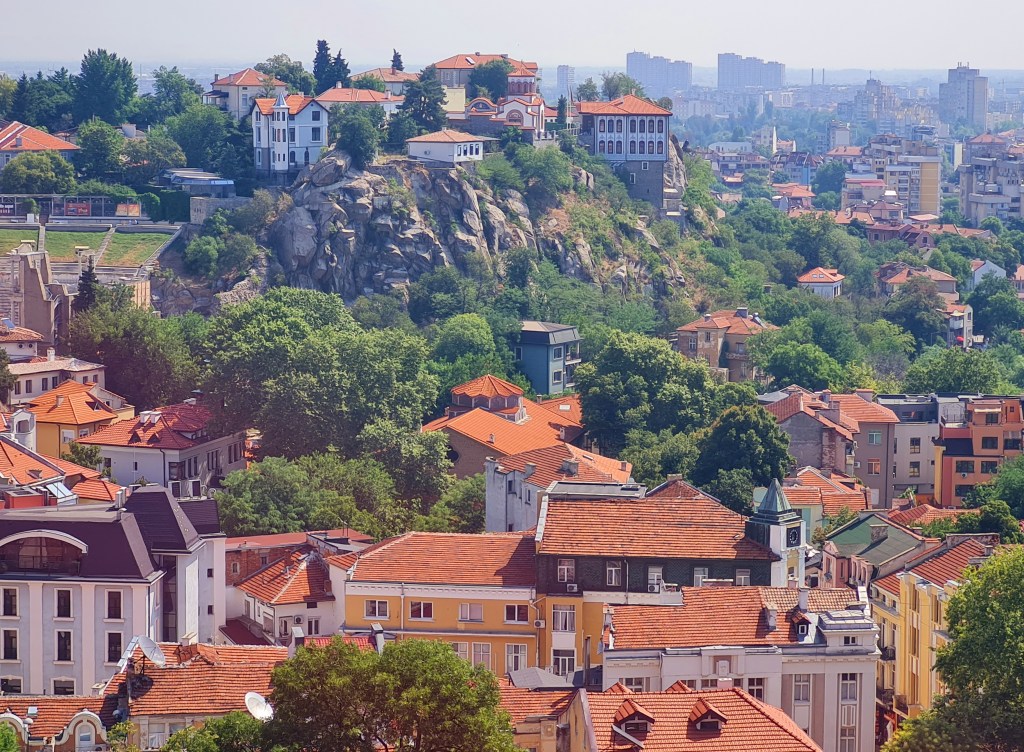
We tested the calf muscles on the short climb up the hill to Clock Tower to get this view over Plovdiv.
Bulgarian food is varied. Carnivores are well catered for (the BBQ ribs are a must), but to balance that, there’s loads of fresh seafood, salads and soups. Italian pizzas and pasta are also on the menus. Here’s a smattering of food pics.


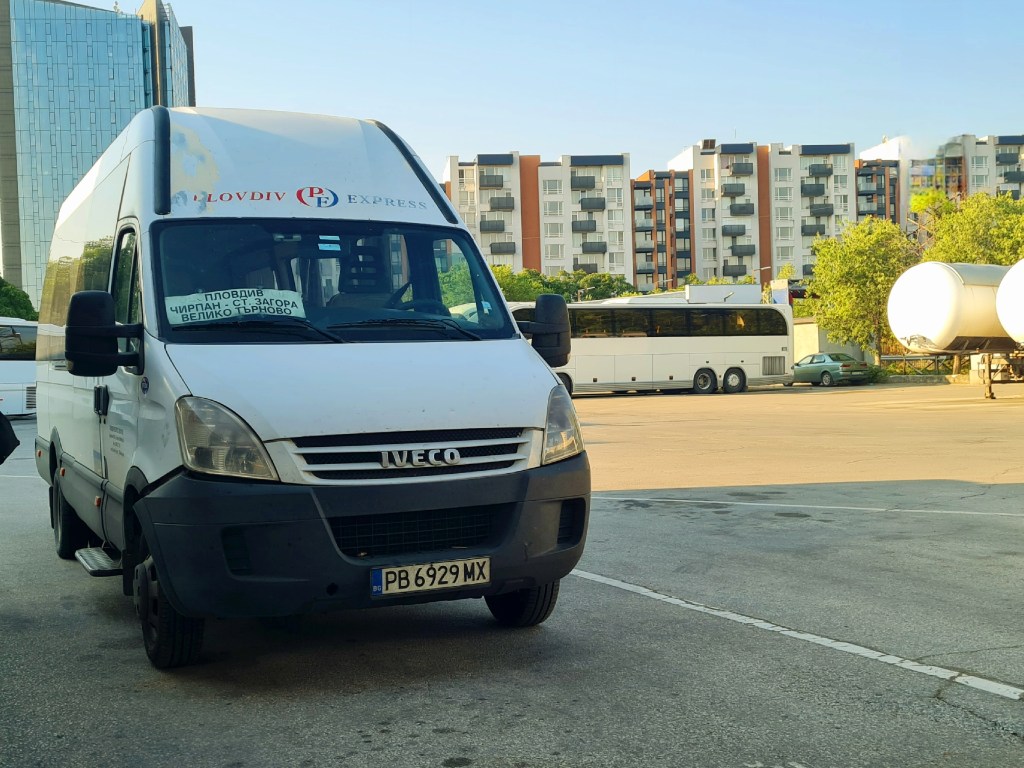
Today is moving on day. A flat 3 km walk with my trusty backpack and coffee along the way brought us to the bus station where we boarded the 3 hour rattler to Veliko Tarnovo.

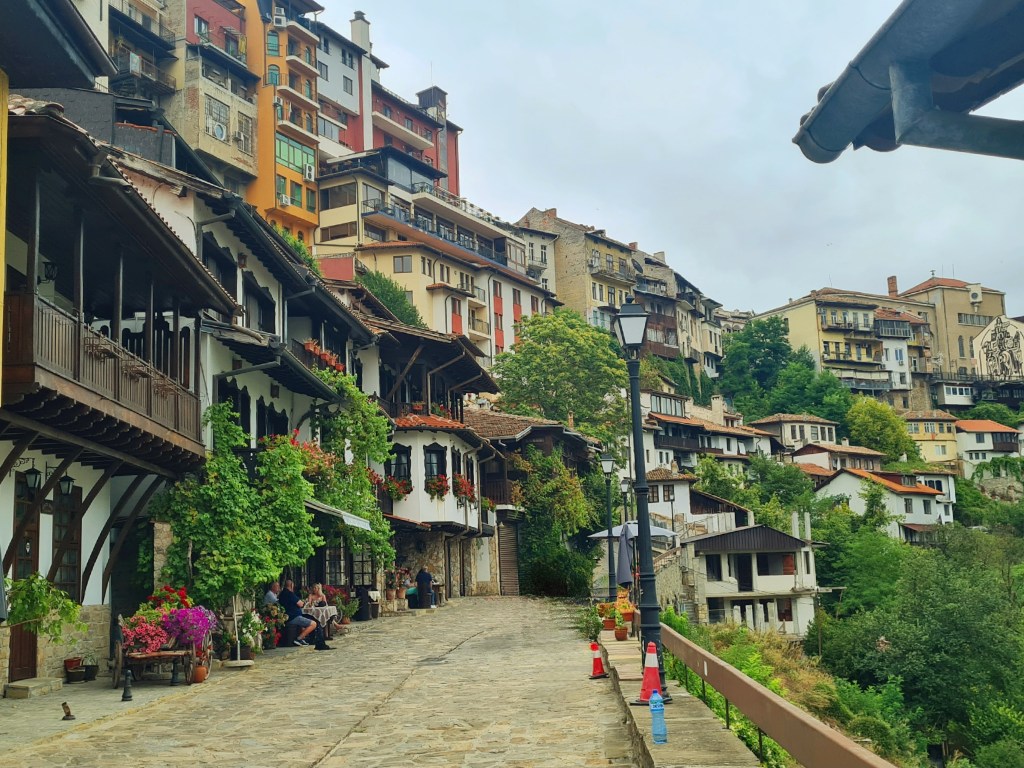
Veliko Tarnovo in north central Bulgaria is easy on the eye and easy to navigate. Built on 3 hills with a river running through, it’s scenic and best viewed from one of the many hilltop cafes that offers panoramic views.



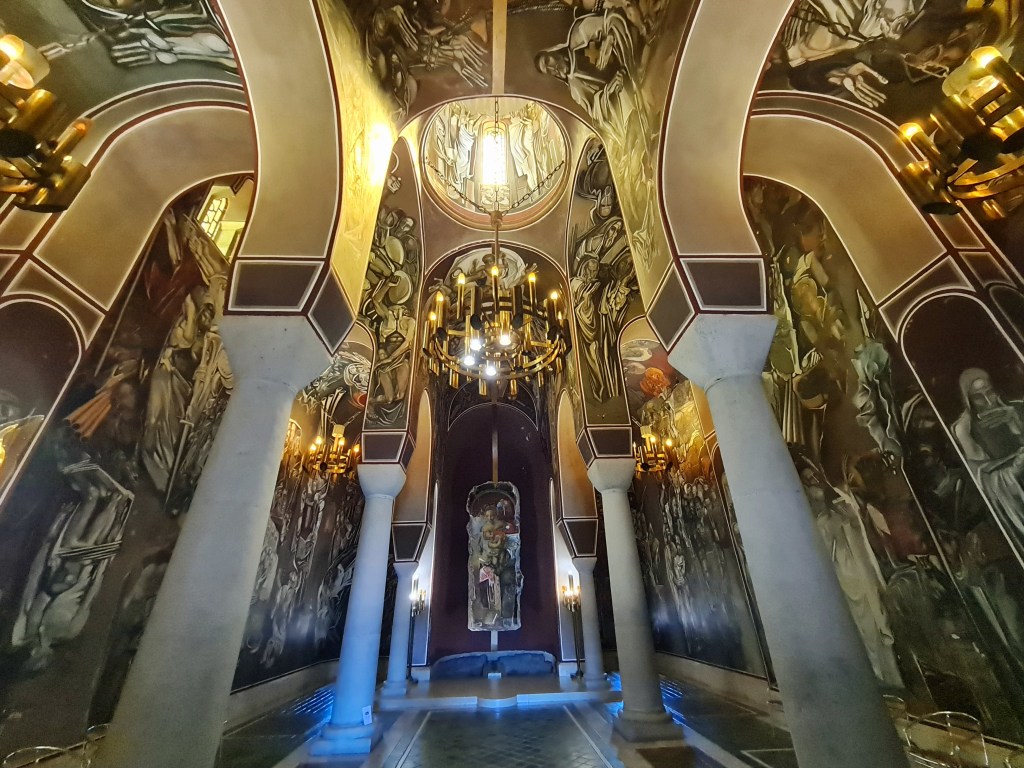
We stepped outside the town to visit Medieval Fort Tsaravets which was built in 1188 and protected 3000 people in its time. Today it plays host to the remains of 400 houses, 18 churches and a palace. The area is extensive and involves a lot of walking (and climbing). Worth the effort.

Our Veliko Tarnovo hotel, Diabora, has a good story. Three years ago it was a decaying ruin of a building until the owner devoted innumerable hours, days, weeks, months transforming it into decent and comfortable accommodation. It’s been a labour of love, still is I’m guessing. He and his daughter form a great team ensuring every guest gets the utmost care and attention. When a taxi was too slow arriving to get us to the train station on time, it was the owner who drove us.

Our next stop Pyce/Ruse was a 3 hr train ride north from Veliko Tarnovo. Sharing a Danube River border with Romania, there’s a definite air of affluence here that can be seen in the Viennese architecture.

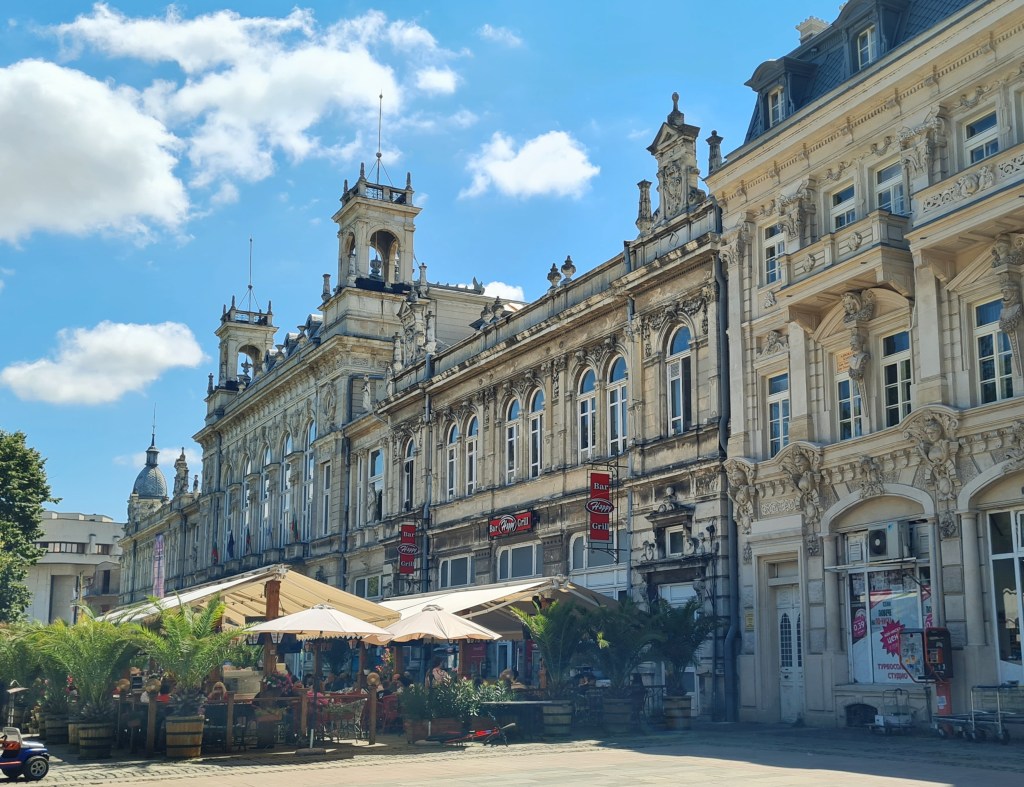
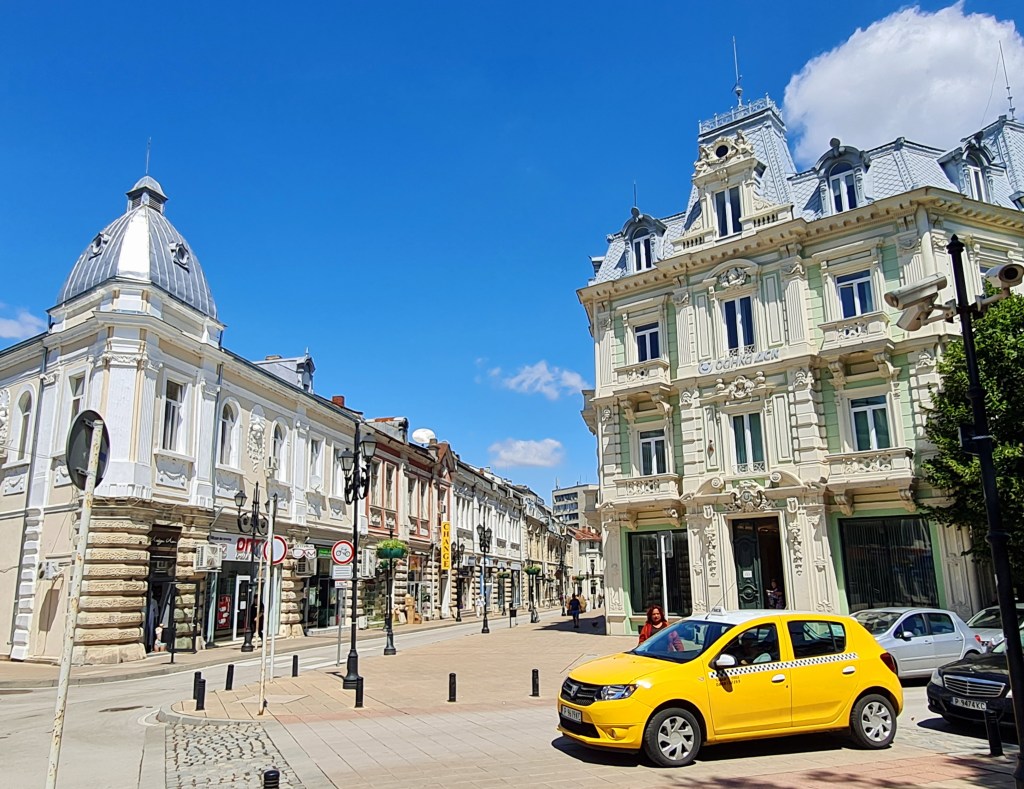


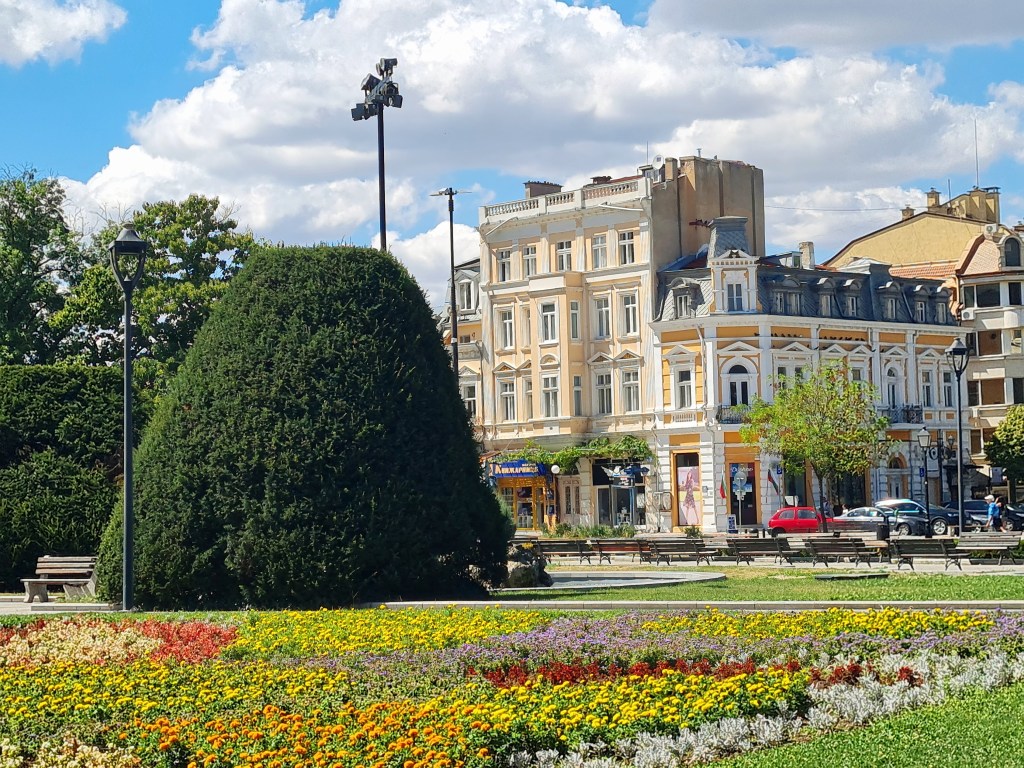

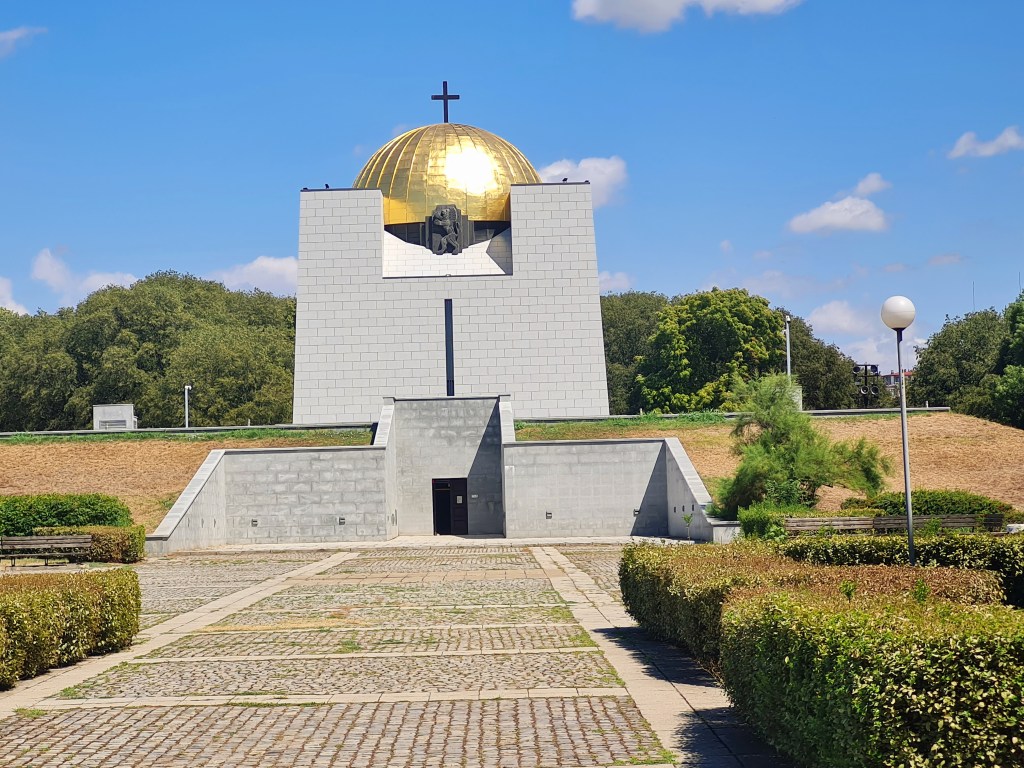

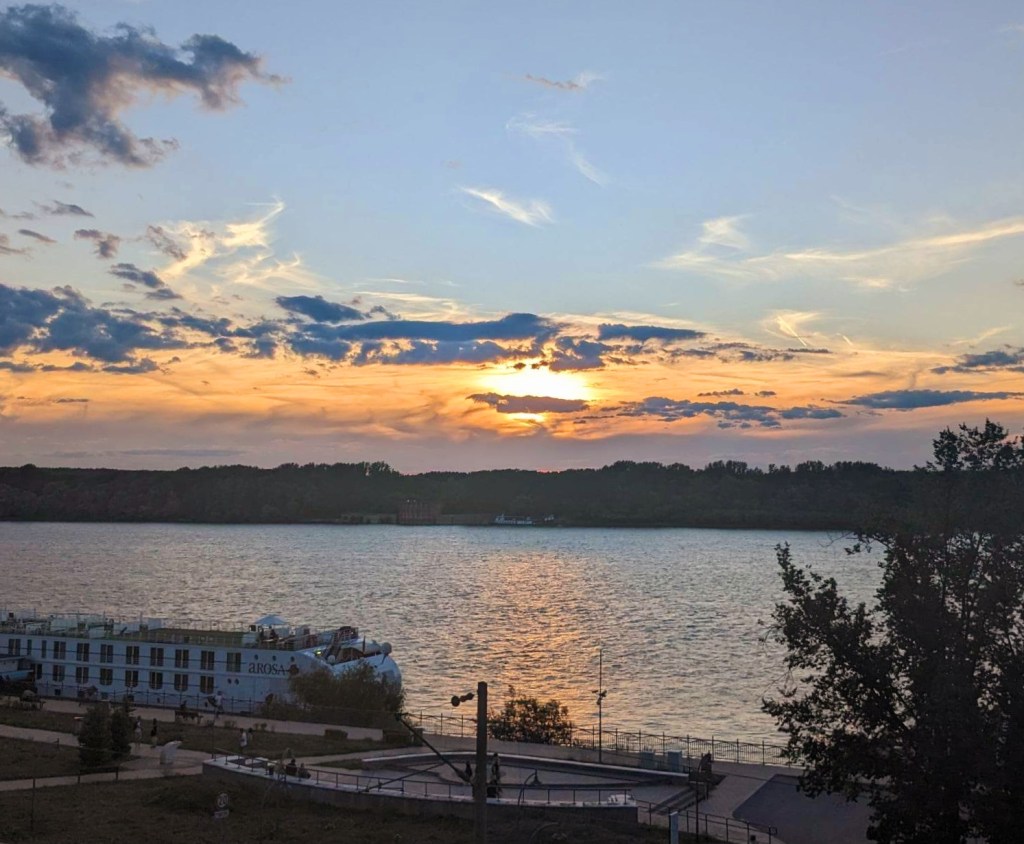

From Ruse, we headed by train over to Varna on the Black Sea.

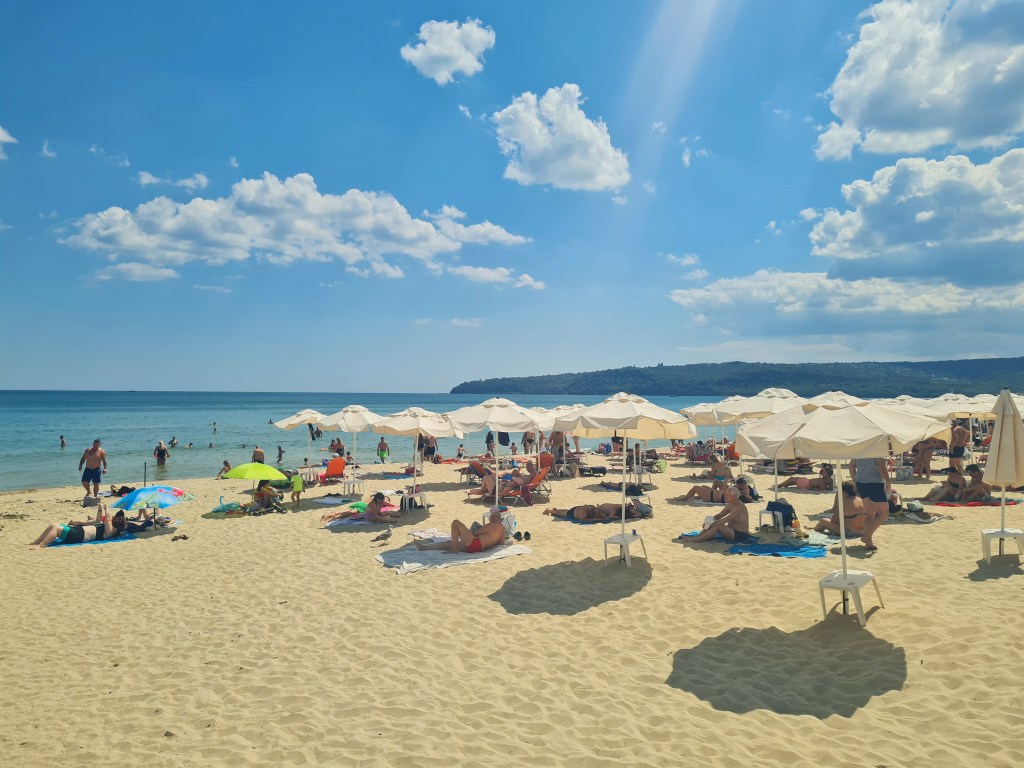
Bulgaria has 400 kms of Black Sea coastline. Here’s my attempt at capturing it.
Varna offers relaxed beaches as well as the chance to take in some ancient Roman sites.



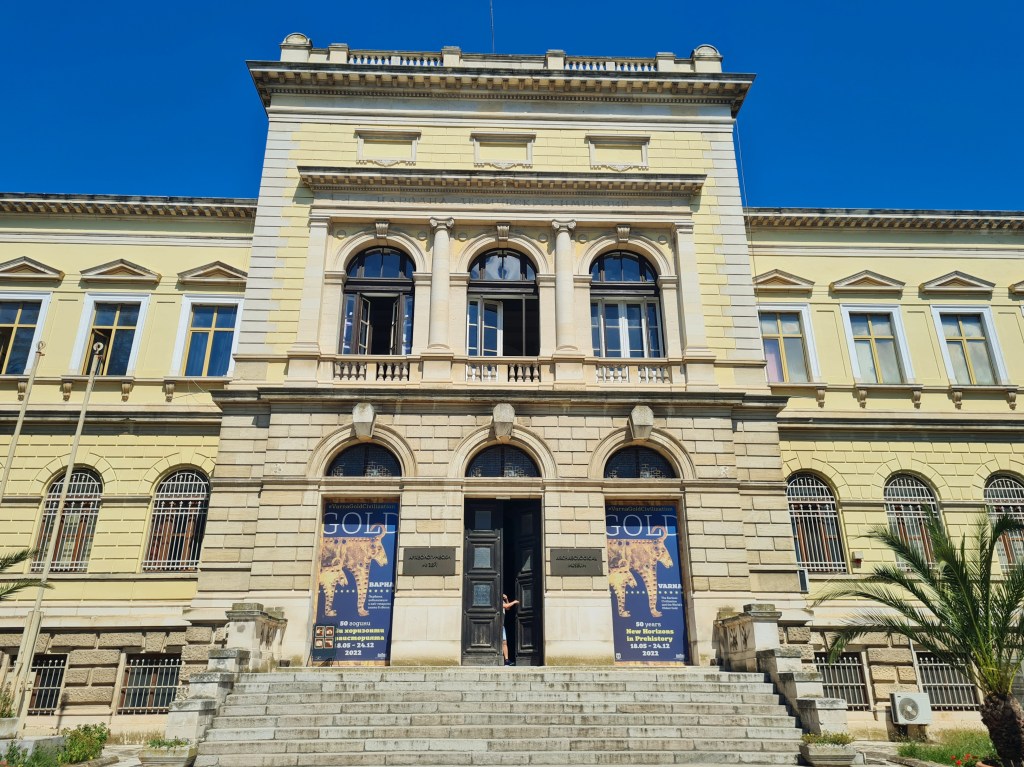

The Roman Thermae of Odessos built in 2-3 AD is described as a small type Imperial baths … at 7000 sq metres. When maintenance became too expensive by 280 AD, the baths were abandoned. Since then, materials from the site have been taken and used to build other structures, hence not a lot left to see today.


Never in my travels have I come across a market that deals in hundreds, if not thousands of military items… until Varna.
There is a colossal collection of Bulgarian, Russian, Turkish and Nazi Germany items for sale – medals uniforms, hats. When I told the seller that my country has a national ban on Nazi items, he looked at me, scratched his head and said, ‘Why? It is history.’ He’s right of course. But that’s fodder for a deeper discussion at another time.
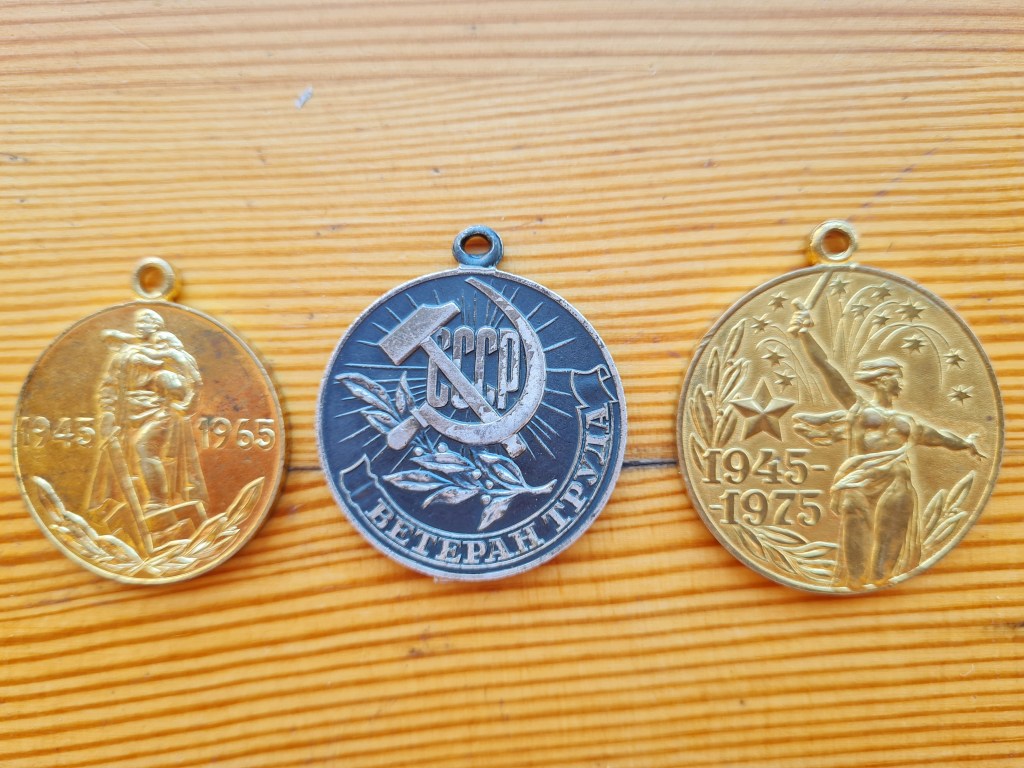
I ended up purchasing the items below; 2 Bulgarian medallions on either side of a USSR medallion commemorating their support to Bulgaria in 1908 against the Ottoman Turks.
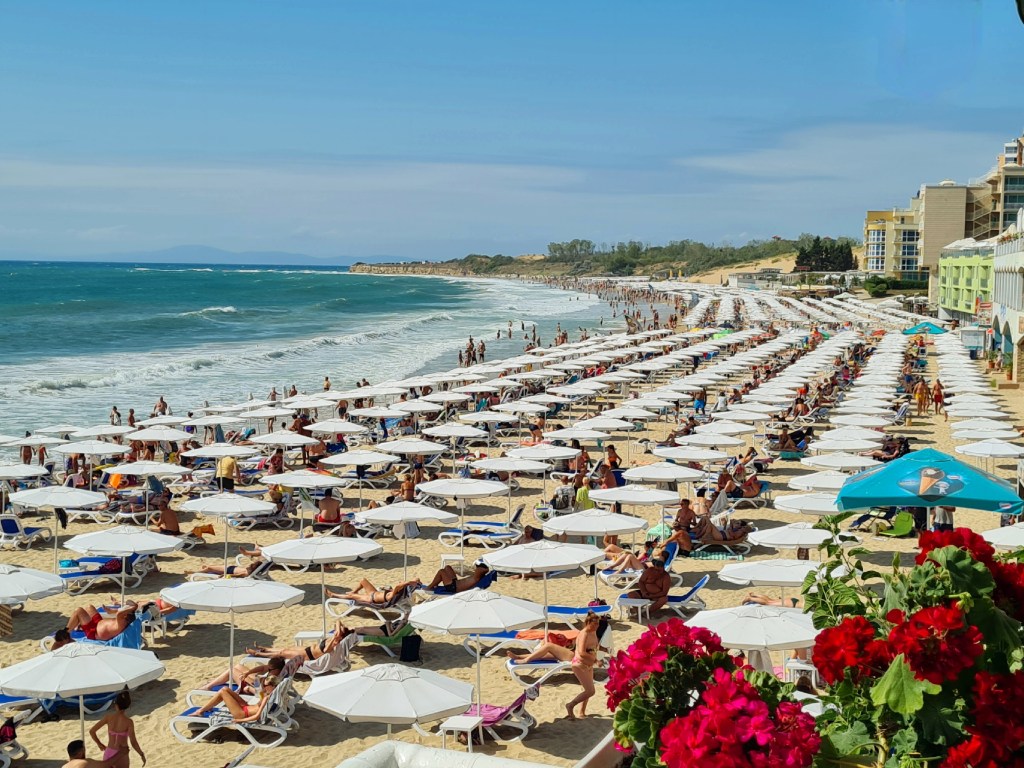
South of Varna is Nessebar, a 2 hour bus journey. Summer is in full swing on the Black Sea, holidaymakers have descended and the beach is full of umbrellas, sunlounges, bars and people. Surpringly, the pace is unhurried and pleasant.
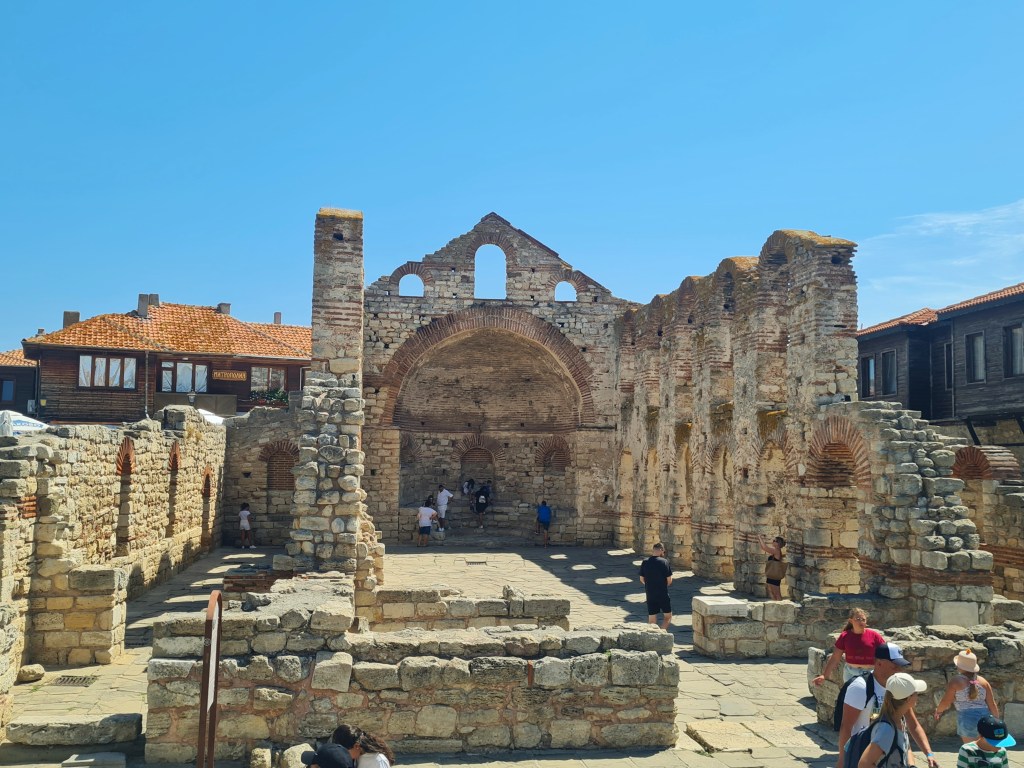
UNESCO listed Nessebar Old Town is 3000 years old, is on a peninsula at the end of a causeway and is an eye pleasing combination of ancient ruins, cafes and shops.



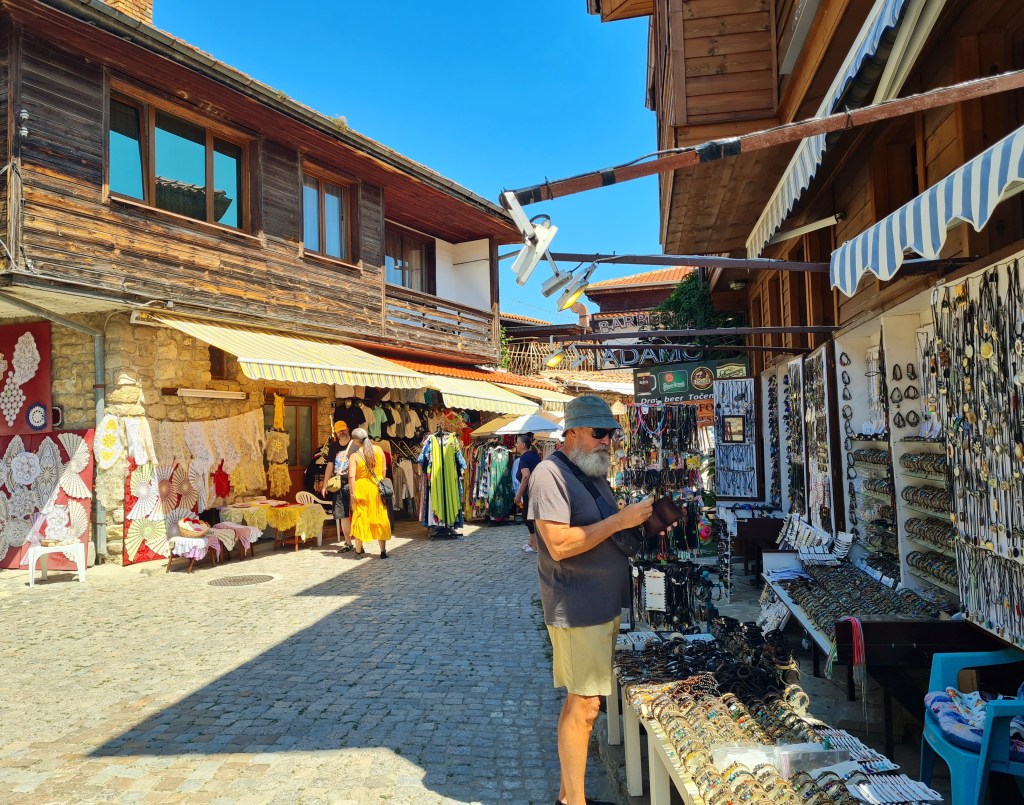

At one point, we weren’t sure we would visit artificially built, party hard Sunny Beach, but with a spare afternoon, we set off and walked the few kms north along the beach. Certainly, there’s lots of big hotels, restaurants, shops and a good beach. During the day though, it was quiet.
From Nessebar, we bussed into Burgas arriving just in time to catch the Aussie Matildas on the big screen at a cafe.
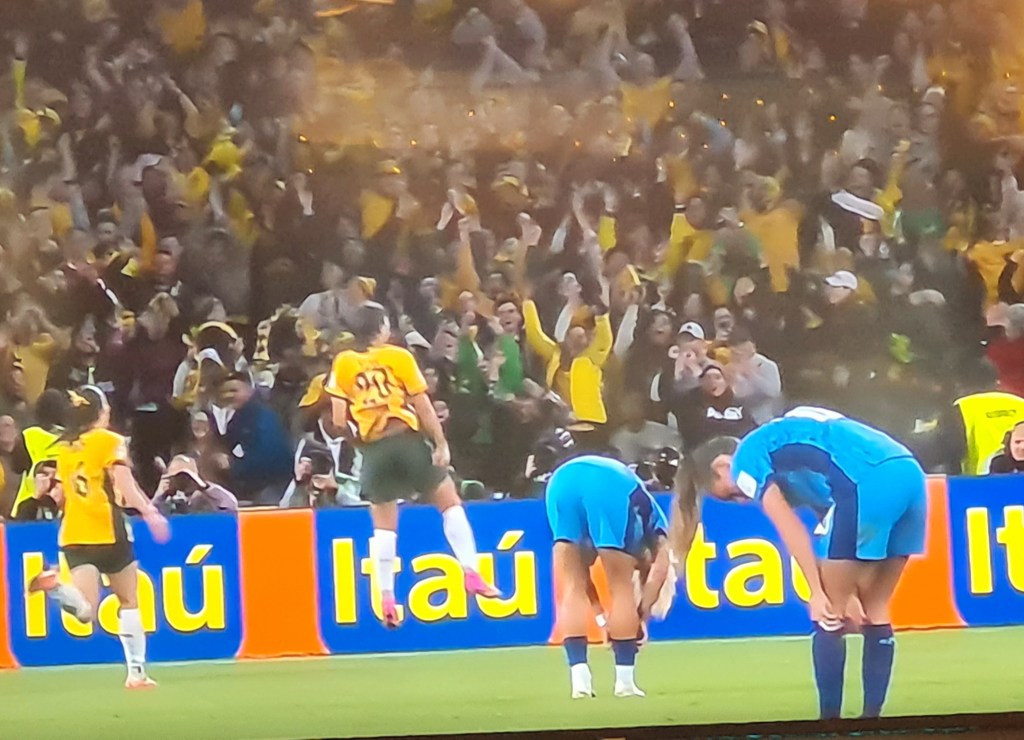
And so it was, that as we’re readying to walk to our Burgas accommodation, I discovered the apartment I’d booked was in fact not in Burgss, but 12 kms north in small town Sarafovo. It turned out to be a most pleasant error though, when we met our host Todor and saw our lovely apartment. The lively local scene with its restaurants and bars was the icing on the cake.

Our final Black Sea stop was Sozopol, a rock solid place to conclude our Bulgarian travels. It comes with a distinct old town, beautiful beaches and a wonderful laid back holiday vibe. For peak summer season, Sozopol which caters to a mainly domestic market was not particularly crowded.


We stayed at Olive Villas which fronts Kavetsi Beach, a 5 minute drive south of Sozopol. With not much to do except swim, eat, drink, sleep and then repeat, our 5 days here was pretty much perfect. Along the beach, bars with beanbags and friendly staff welcomed us for dusk drinks. Olive Villas dished up simply superb buffets for breakfast and dinner.
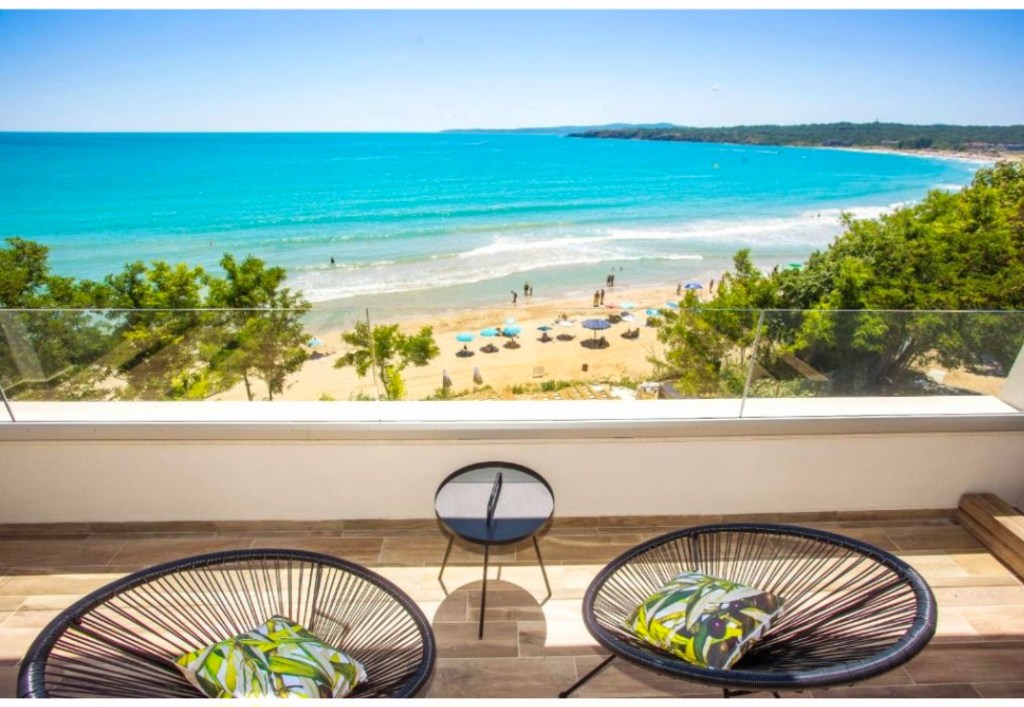
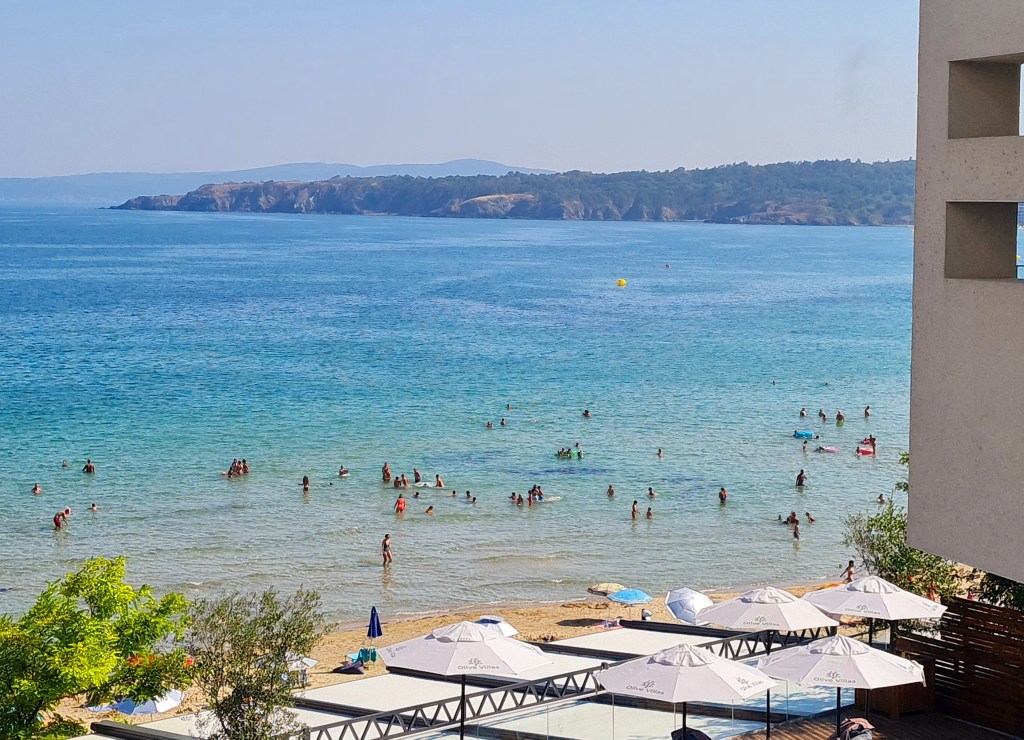

And that’s my Bulgaria wrap, although I know from talking to Bulgarians that their country offers so much more, so many other places to visit.
Today, though, there’s a seat on a bus heading to Istanbul Turkiye that has my name on it.
PS In March 2024, Bulgaria along with Romania will join Schengen. A visit to these countries will count towards your 90 day visa free limit.


I’m book marking this. We likely will spend about 2 weeks in Bulgaria at the end of this trip. I really know nothing about it, so this was really helpful. Maggie
LikeLiked by 1 person
Glad it helped and I know you’ll enjoy eaay going Bulgaria. Sozopol would suit for a last stop. Nearby Burgas has an airport.
LikeLike
Love your posts of Bulgaria
its a fascinating country and am very envious of what you have see.
LikeLiked by 1 person
Thanks Kerry, thoroughly enjoyed the sights and hospitality. Underrated for sure, but sometimes that’s what keeps a place grounded.
LikeLike