
Tirana, Albania’s capital is a walker’s delight. The terrain is flat and tree lined streets, cooling stations in public places, air conditioning in shops/cafes, and ice cold fresh orange juice/beer meant we could still do a lot of walking in the current heatwave. I need to stress that it’s not the blistering heat that we’re seeing in Italy and Greece.
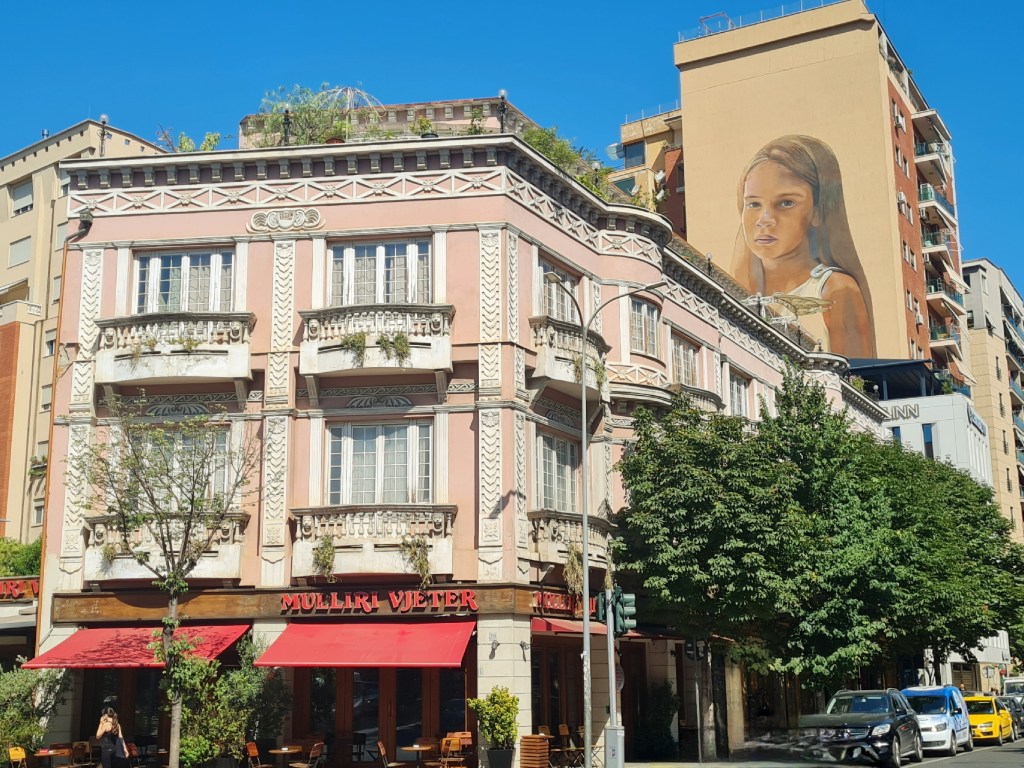
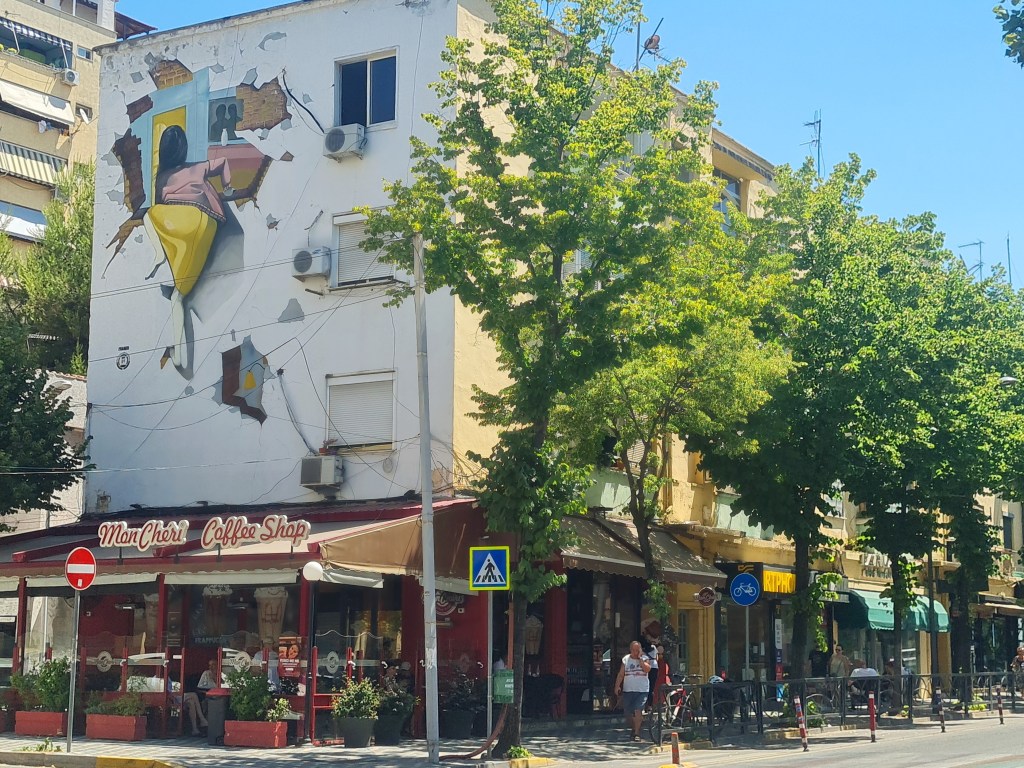
First things first though – there’s a serious coffee culture in this city and it’s often accompanied by excellent street art. Tirana’s mayor is credited with the profusion of cheerful artwork which brightens up once grim brutalist style buildings.
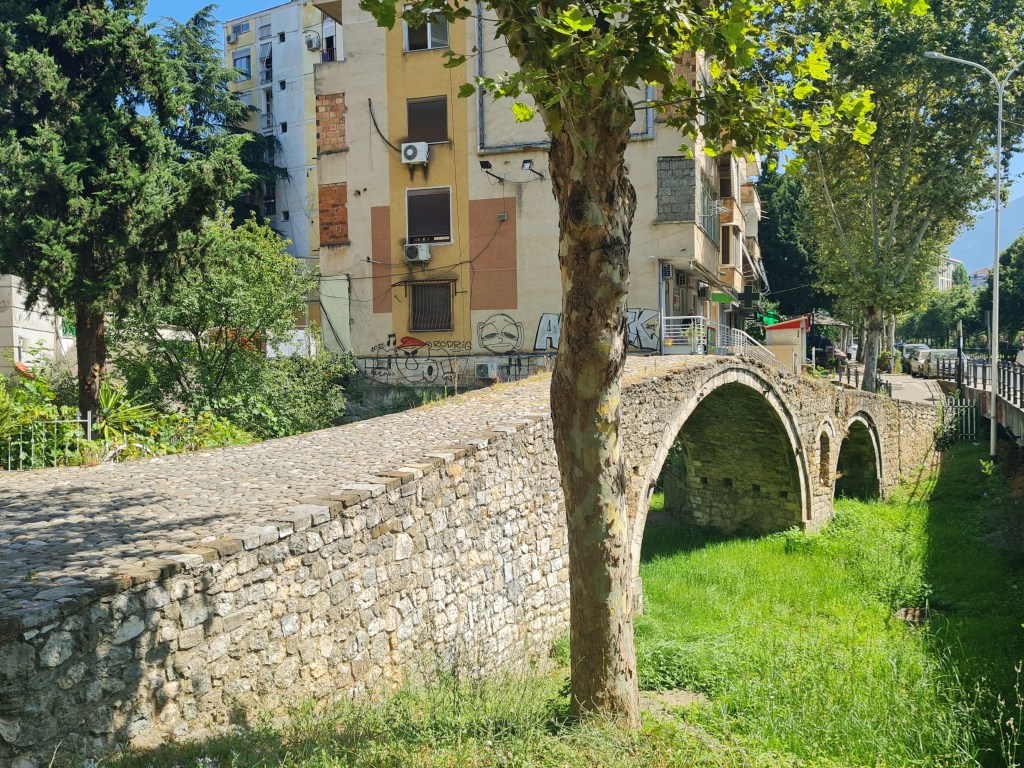
One thing about appealing Tirana is that it brings much to the travel table when it comes to Albania’s turbulent history. With a number of sites open to tourists, the task of getting a grip on the last couple of centuries is made a whole lot easier. First, Turkish Ottomans ruled for 500 years until 1912.
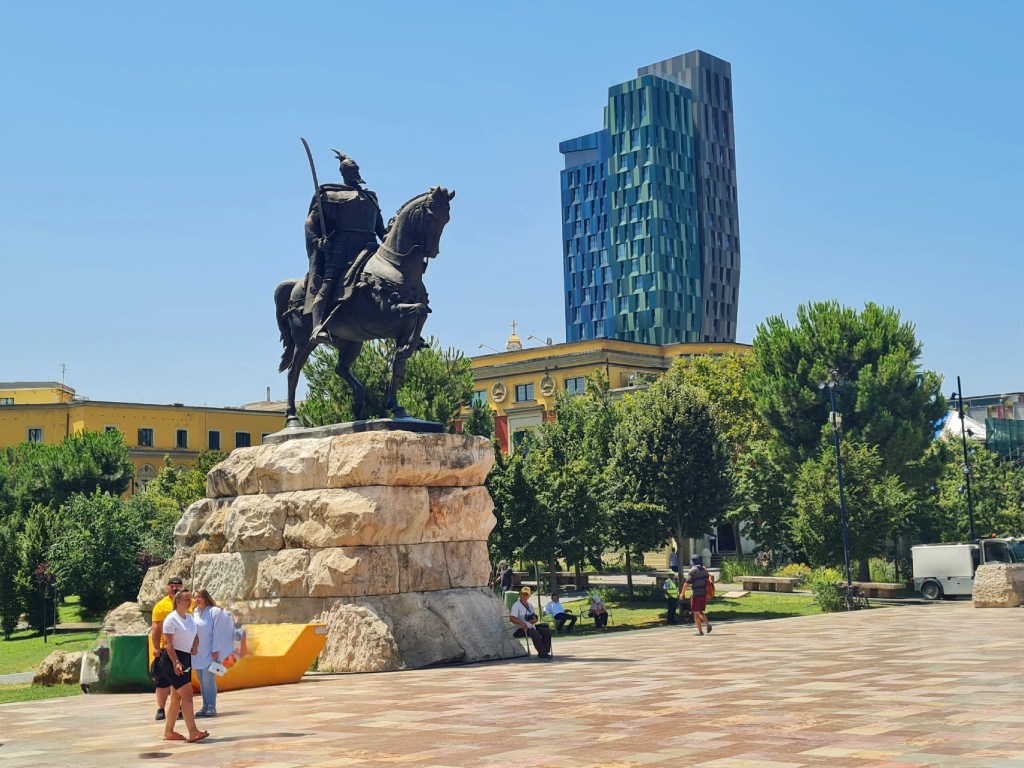
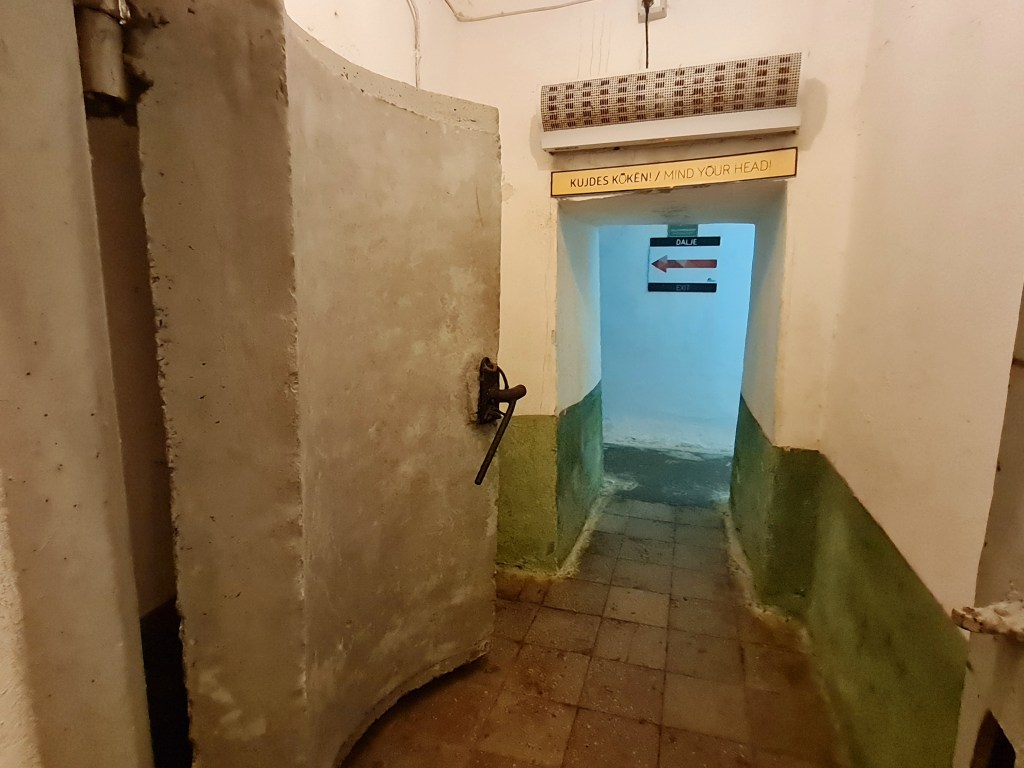
A short lived monarchy followed until Fascist Italy invaded in 1939 and then in 1944, socialist and isolationist Hoxha came to power until his death in 1985. Fearing attacks from Yugoslavs (particularly Serbs), Greeks and US, he built at least 170,000 concrete bunkers (some reports say up to half a million), even though Albania was never invaded.
Bunk Art 1 and Bunk Art 2 tell the appalling stories of Fascist rule and Hoxha’s totalitarian rule.


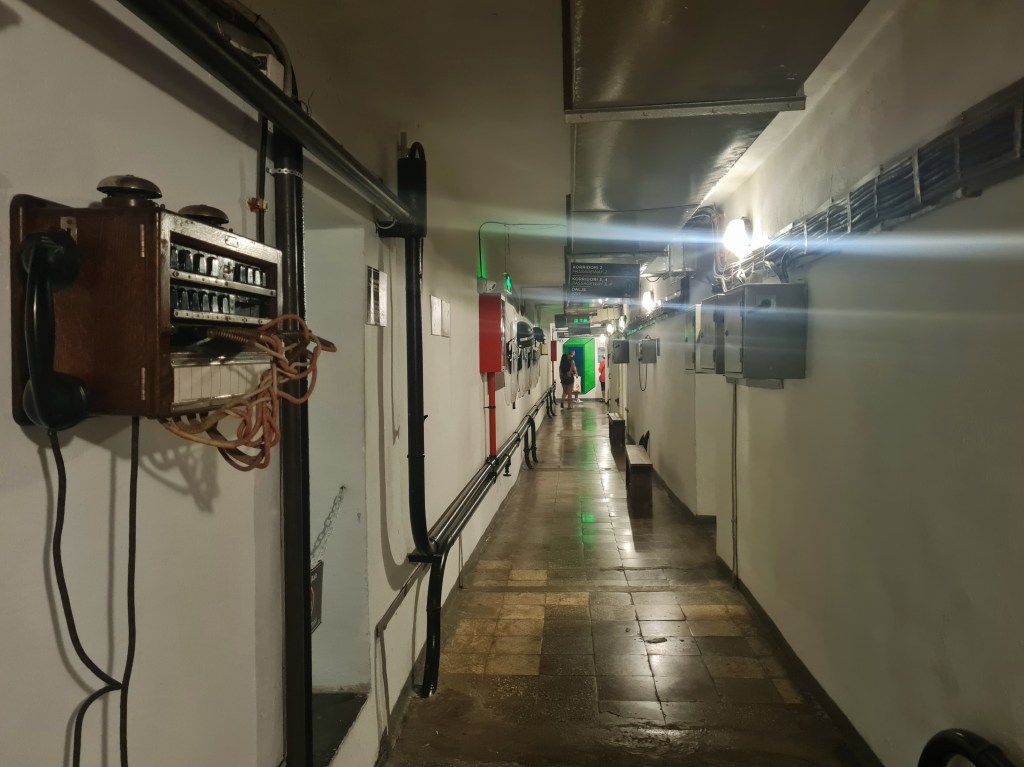


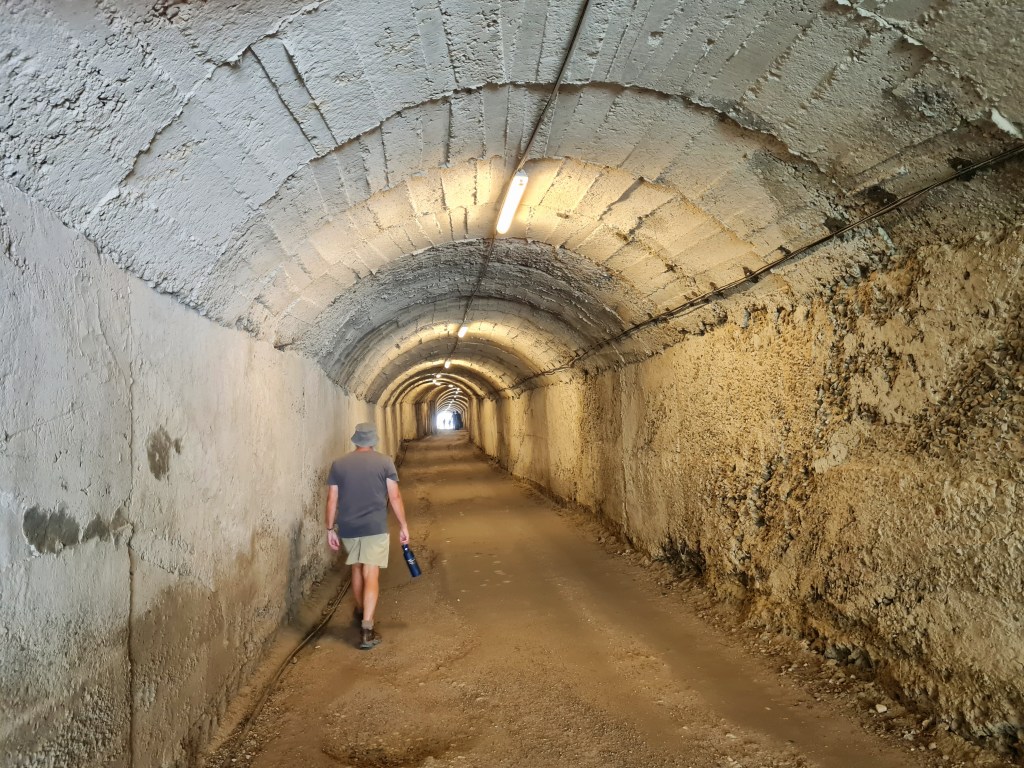
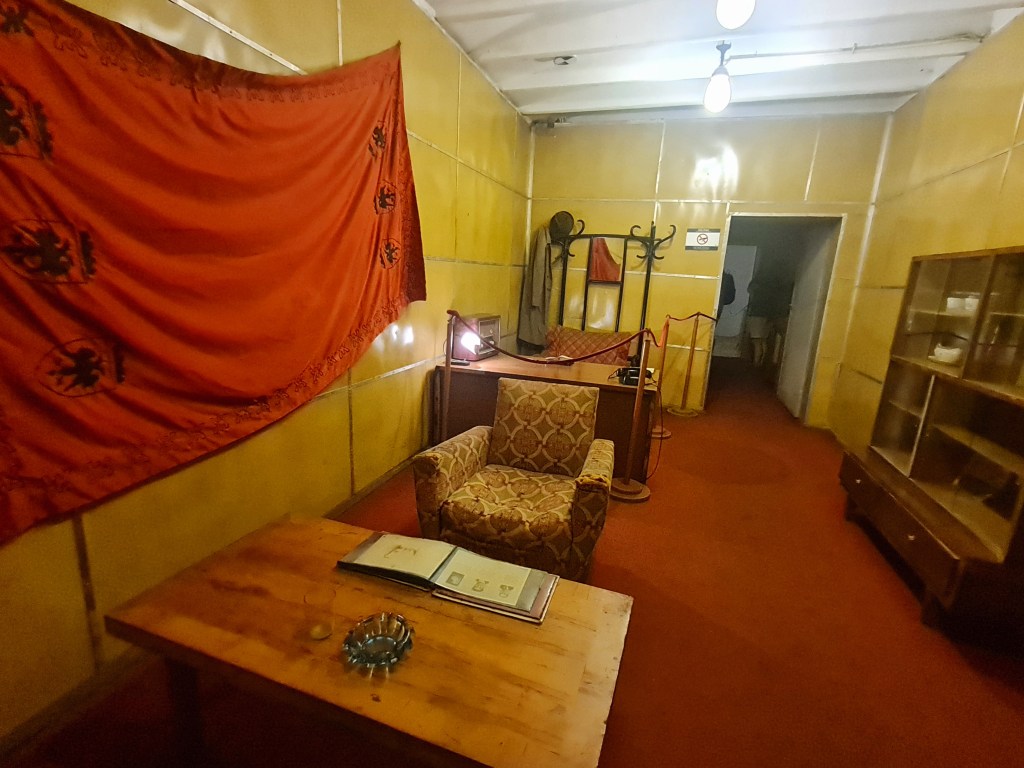
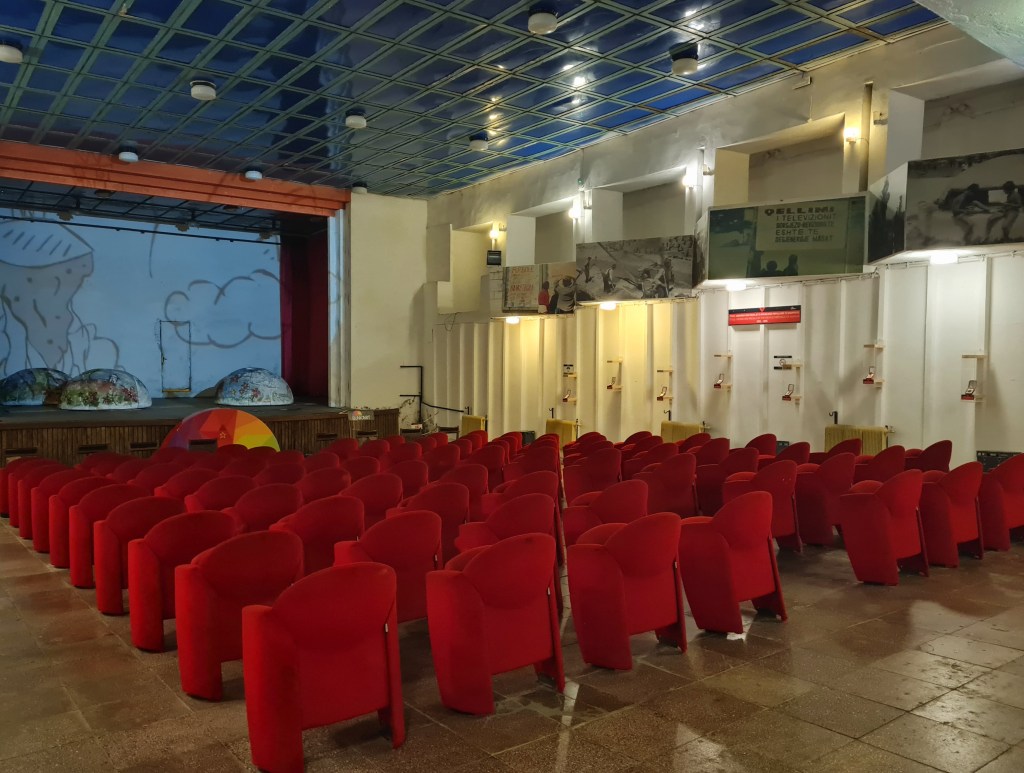
Bunk Art 1 is 3 kms from Bunk Art 2 and doesn’t get as many tourists. In addition, it’s a much bigger bunker with 5 levels; 3 were open when we visited. Many rooms are full of stories and equipment used to suppress and intimidate Albanians.
Another worthwhile site we visited was House of Leaves which was the headquarters of Sigurimi, Albania’s secret police. Hoxha ordered thousands of people to be spied on (Albanians, foreigners, embassy staff); listening devices were planted everywhere, even in the straw of brooms.

Hoxha’s aim was to vanquish internal and external enemies. The state inserted itself into citizens’ private lives and exercised the right to know and decide everything. Even private conversations in homes and workplaces were recorded. As many as 30,000 people ‘disappeared’ during this time.
It wasn’t until 1991 that Albania started casting off its socialist past and embarking on the long and difficult road to democracy.
32 years later, Albanians are wanting more and quicker changes. Those who can’t wait have joined the diaspora. Since 1991, 800,000 Albanians have left their country for greener pastures; a significant figure given the population today sits at 2.8 million.
We also visited:


Worth noting is that Albanian Lek is the currency, but Euro is king. Bring cash. There’s much distrust of credit cards.
Found a spacious and pristine apartment on booking.com in a fabulous location. Our four days here went way too fast.

Worth considering if you’re a long term traveller is that Bulgaria and Romania are tipped to join Schengen this year or next. Albania will become even more popular for those whose 3 month Schengen visa has expired. Americans can stay for an entire year in Albania, while other nationalities have 90 days.
With much reluctance, we depart Tirana and in the process, Albania and head over the border to Prizren Kosovo.


Who needs to travel when you are doing such a good job for us? Great photos again.
LikeLiked by 1 person
Thanks for that. Tirana was an interesting city for sure
LikeLiked by 1 person
Tirana was very good. Add it to your list
LikeLike