
Second time in Croatia’s capital and second time I say Zagreb is underrated. Inland, away from the heady and busy Croatian coast and islands, this smaller, quieter spot appeals on many levels.
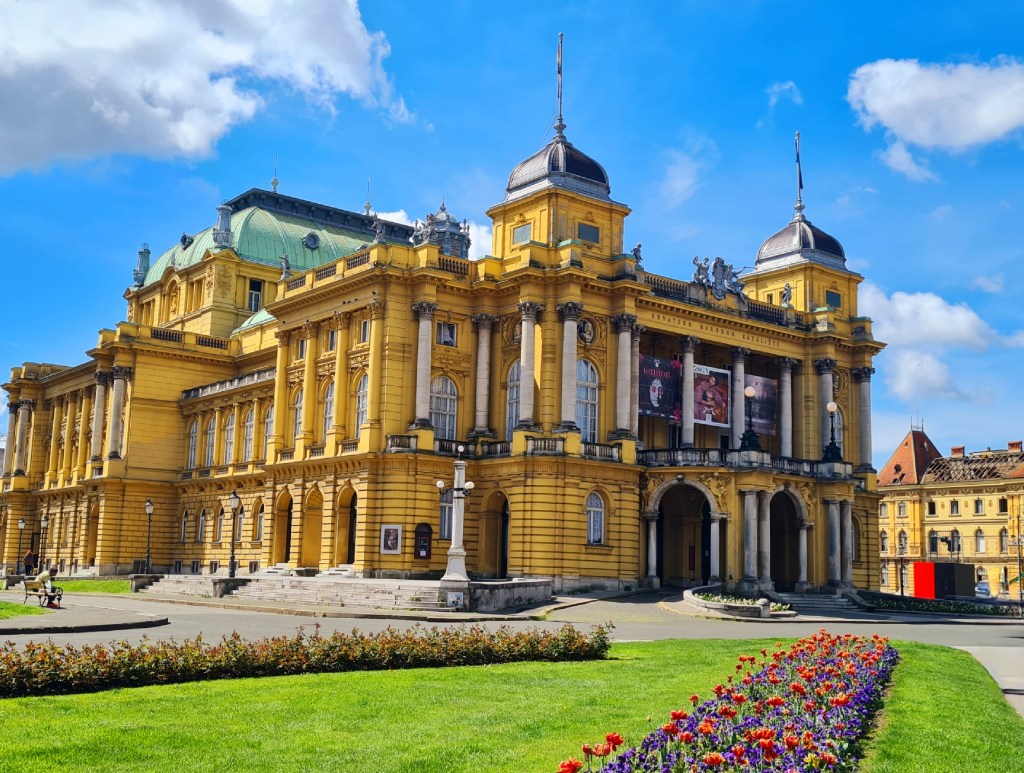
There’s a bunch of sites to see, fabulous Austro Hungarian architecture, dozens and dozens of cafes and restaurants, quirky museums, parks, statues, a whole lot of history and miles of good walking.
The photo below is the hub where everything and everyone come together. It’s where people jump on and off trams, meet, drink coffee, eat, shop, and it’s where national hero Ban Josip Jelacic (1850s) sits astride his horse. This square fairly buzzes.

A serious coffee culture defines Zagreb. Three coffees a day, I’m told is what it takes to drink like a local. It doesn’t take long to adopt the practice when there’s so many fabulous cafes.
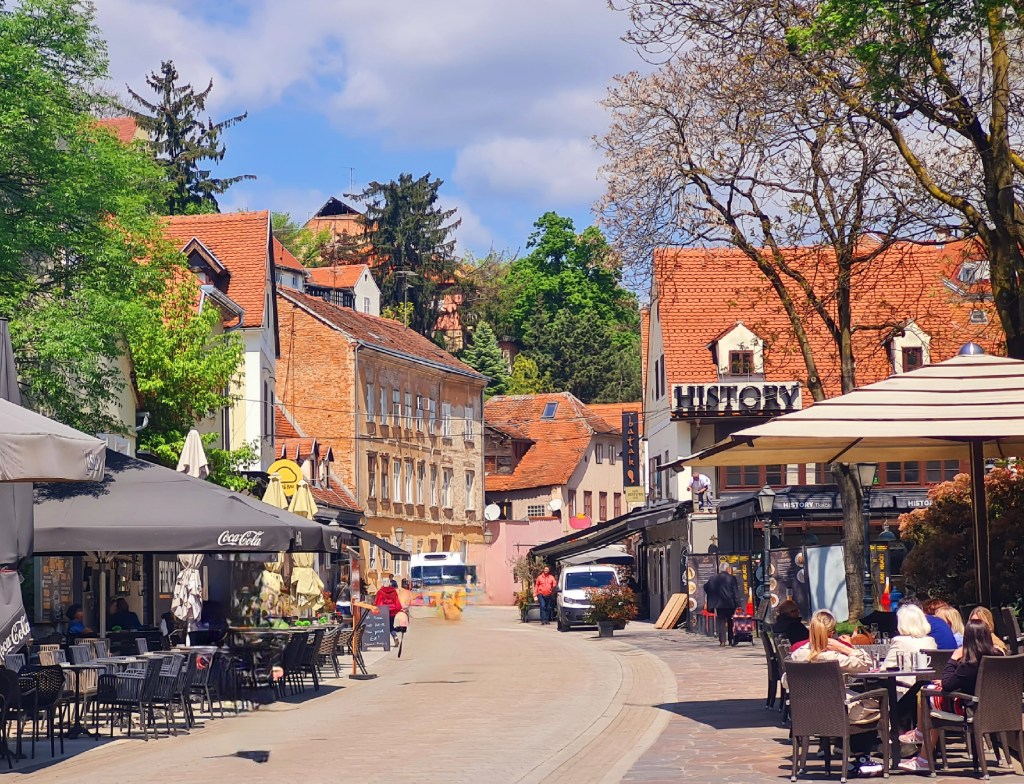

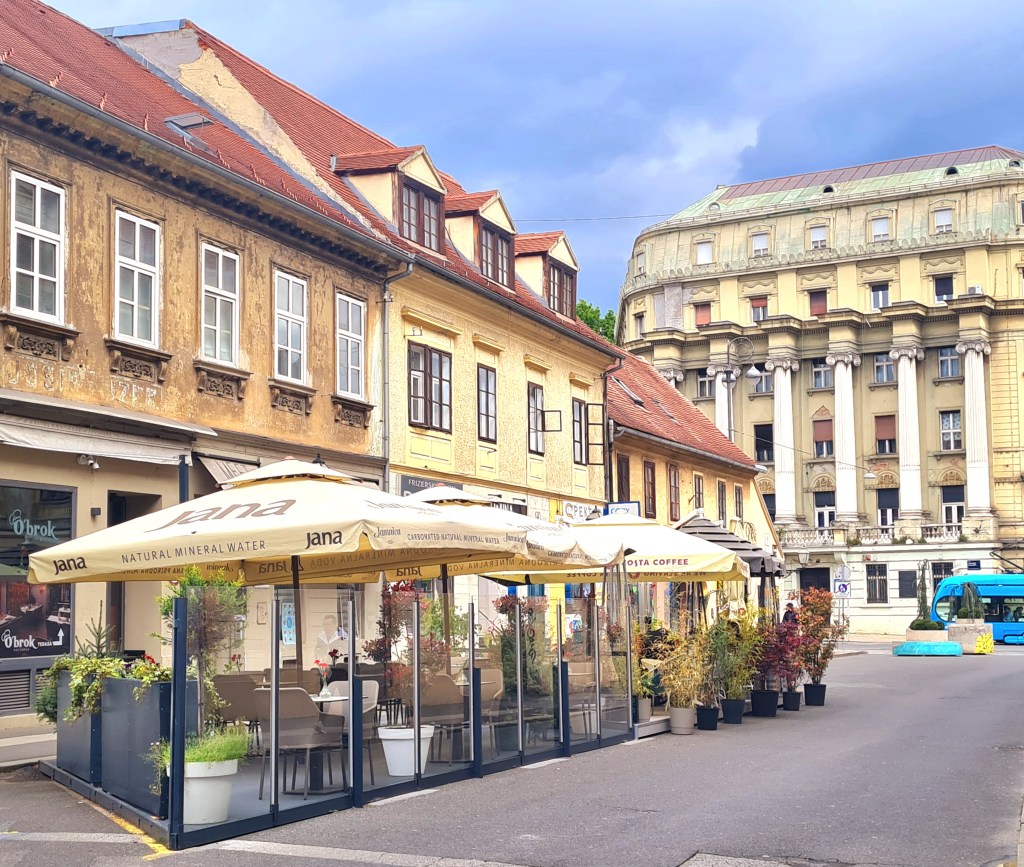

Walked around Zagreb to these beauties.

Zagreb is divided into a distinct Upper and Lower Town. The funicular links both. It’s short at just 66 metres and was built in the 1890s. There’s a good view from the top and some excellent sites in Upper Town.

The well known St Mark’s Church has a most eye catching roof. The medieval coat of arms of three regions – Slavonia, Croatia and Dalmatia is on the left and the emblem of Zagreb is on the right.

In March 2020, an earthquake rocked Zagreb and 1900 buildings suffered substantial damage. A number of buildings are clothed in white as restoration work continues. The famed Cathedral below will hopefully reopen this summer with its spires intact.

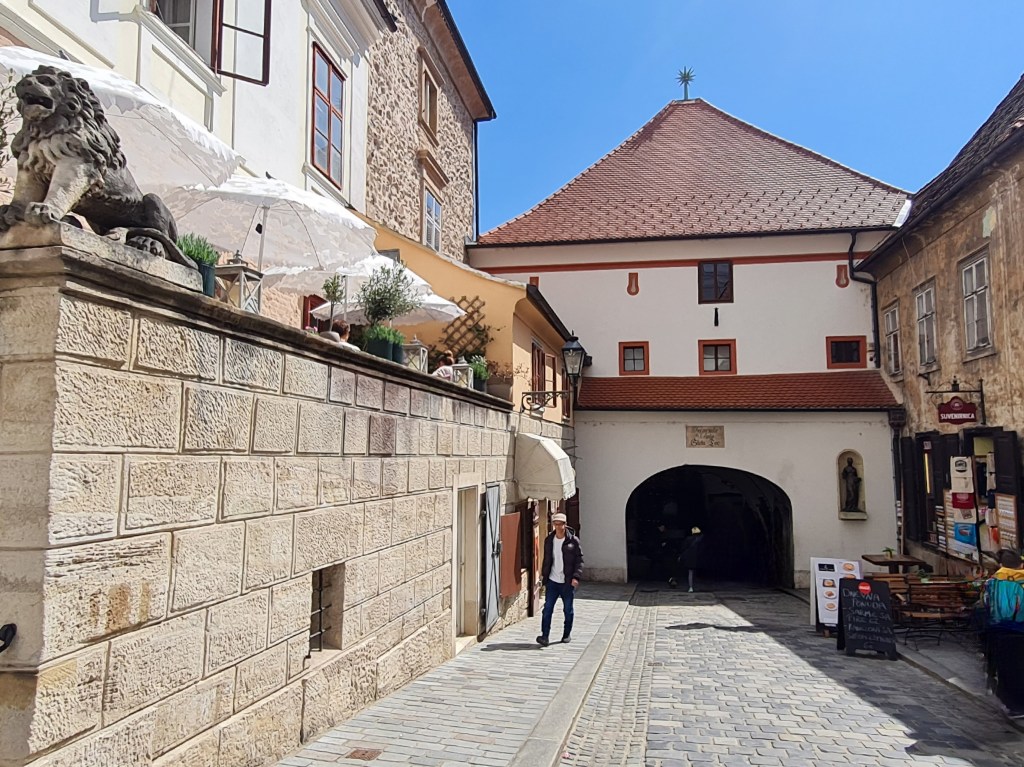
The Stone Gate built in the 13th century was damaged many times in fires. There’s a chapel inside, built by the owner of the only thing not destroyed by fire – a painting of the Virgin Mary with baby Jesus.
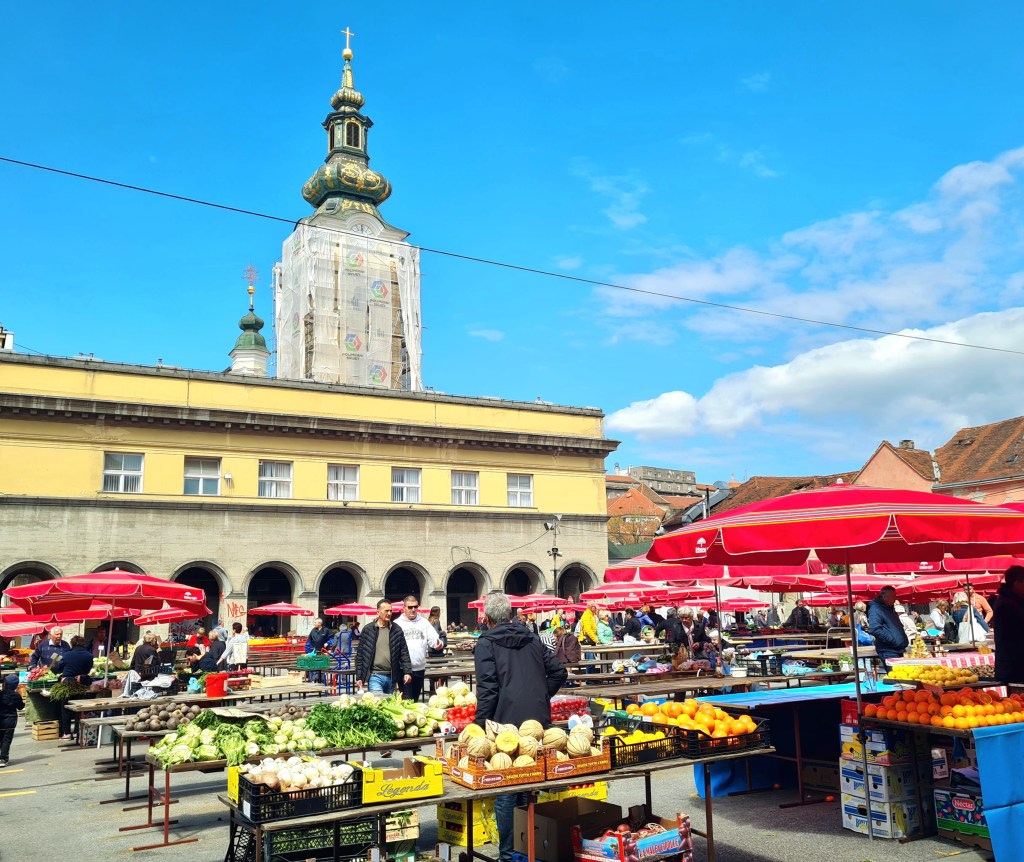
Dolac Market is an open air farmers’ market. There’s also a large indoor market nearby.
Hands down, the quirkiest museum I’ve visited is the Museum of Broken Relationships where people share their breakup stories. Shed a tear, laugh, be shocked – a visit is guaranteed to take you along the entire spectrum of emotions. And if you have a breakup story, then the museum invites you to contribute.
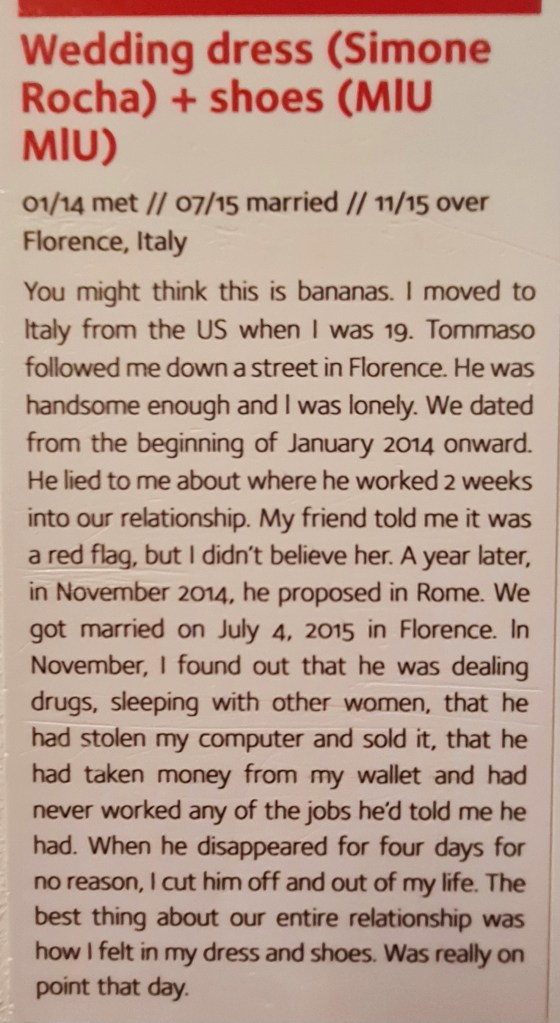
And then there’s this one
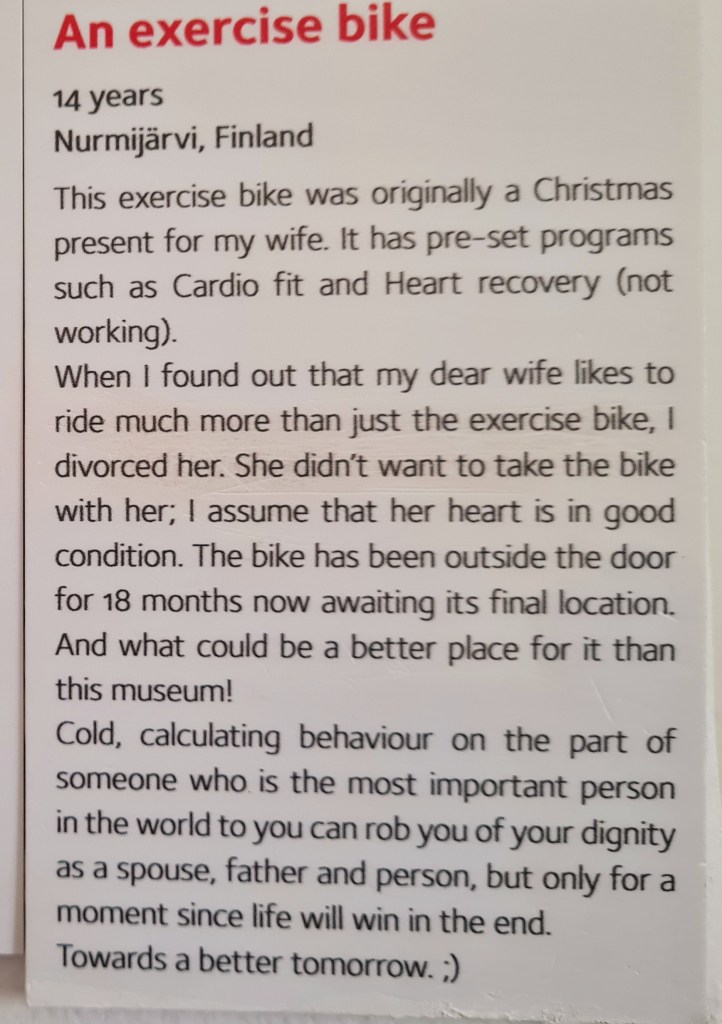
Yep, knowing when to leave is important. The party. The job. The relationship.
I also liked the museum of Naive Art. I’m unsure of the style, but found it interesting.


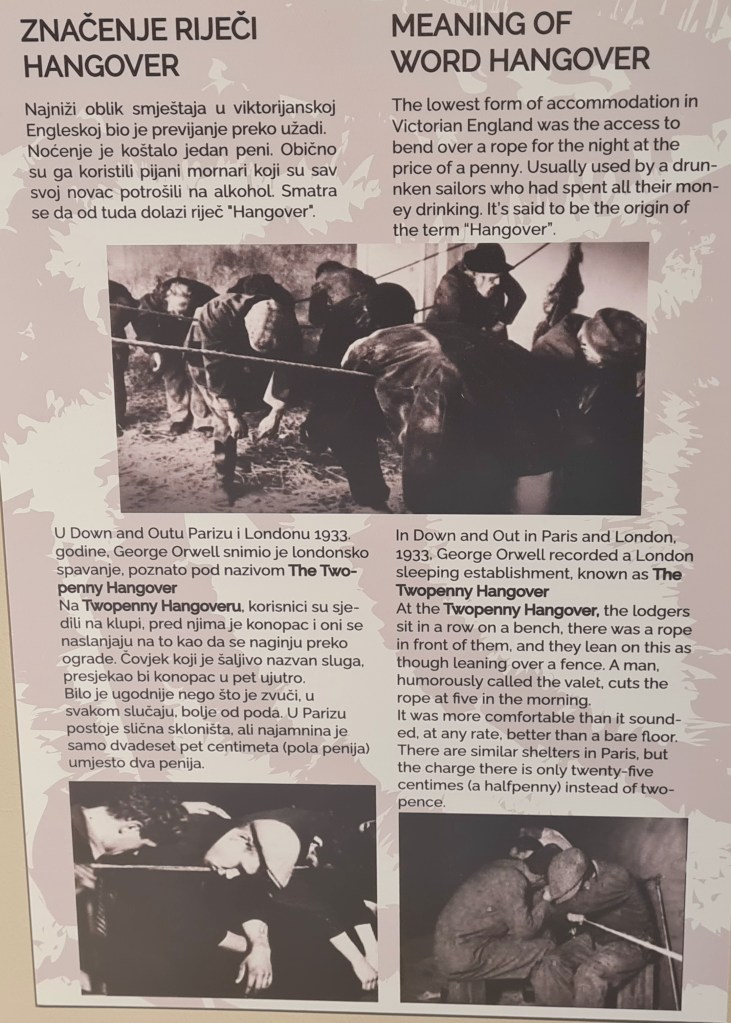
Zagreb even boasts a Hangover Museum for those who want to relive their experiences or find comfort in similar company. There’s a blackout room – find your way out with a torch. Anyway, I discovered the origin of the word ‘hangover’.
There are other quirky museums here like the Mushroom Museum, Cannabis Museum, Museum of Selfies and Memories, 80s Museum that I simply did not have time to see.
I did have time to visit the tunnels in Lower Town. Built in 1943 to protect civilians from frequent bombings, they were also used during the Croatian War in the nineties.

In a city that offers so many different experiences, Zagreb also gives visitors a most beautiful cemetery. Park-like with tree lined paths, sculptures, arcades, green domes, immaculate, peaceful. Embraces all faiths, the extraordinary (Presidents) and the ordinary.

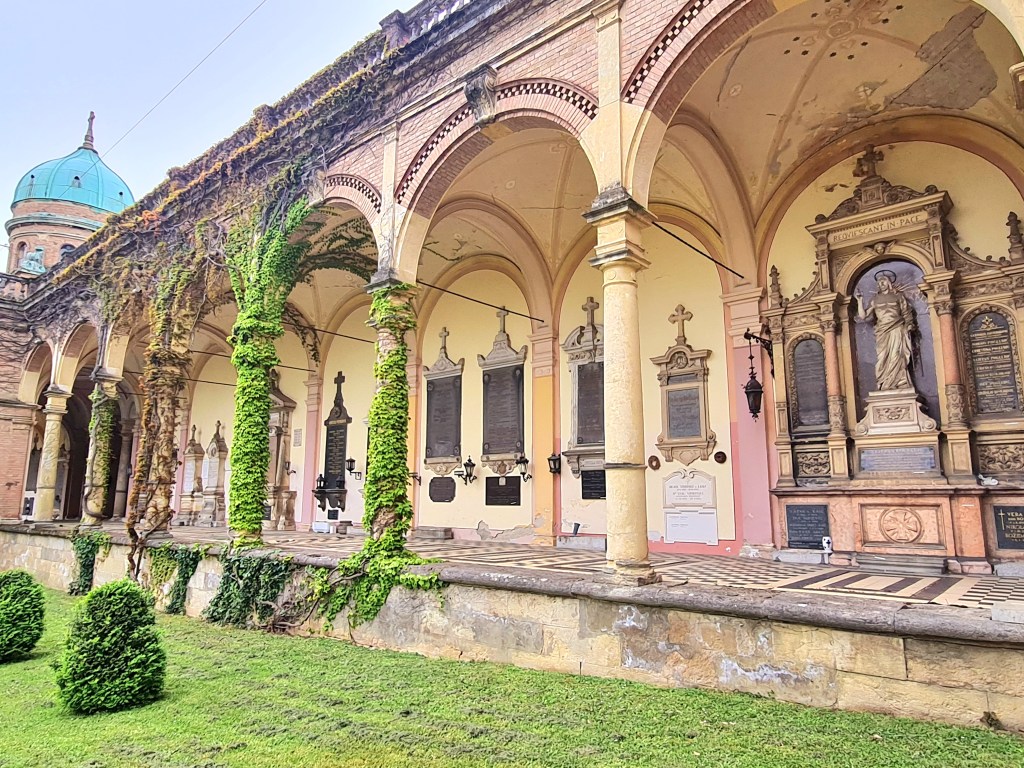
The eternal flame burns here and it’s difficult to ignore Croatia’s war history. Once part of Tito’s Yugoslavia, Croatia declared its independence in 1991. However, the Serb minority pushed for an independent Serbian state to cover one third of Croatia. The Homelands War lasting five years saw Croatia the victor.
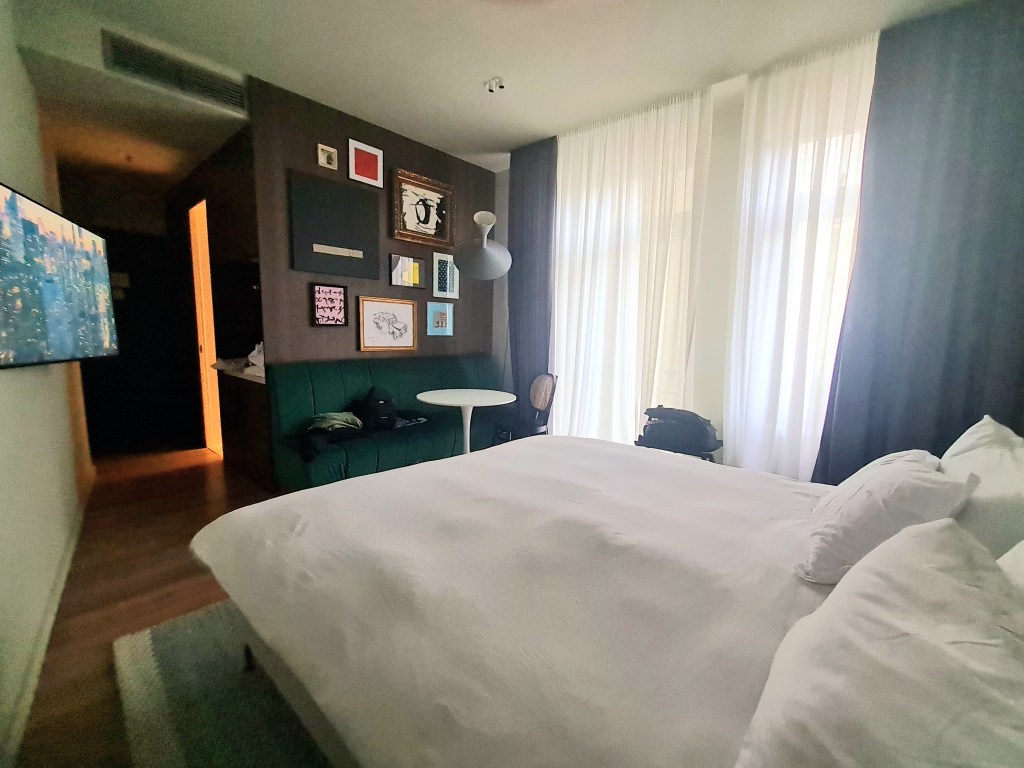
Our stay at the very comfortable Bona Fide Square Apartments was smack bang in the hub just off Ilica Street.
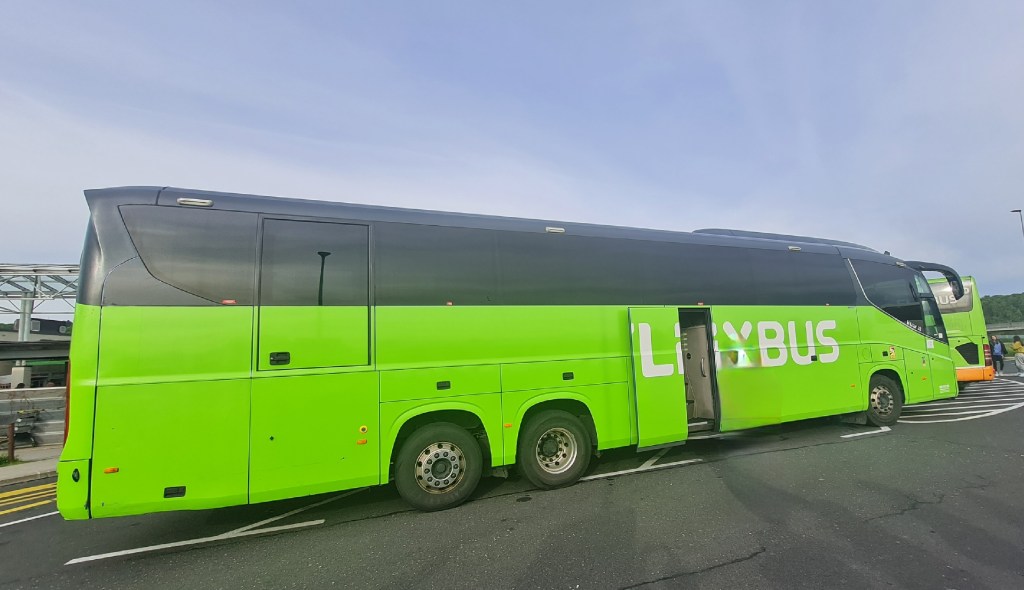
After 5 Zagreb days, we’re now Flix bussing our way to Slovenia.
 Fuelled by travel
so nice pictures and reports, wish you a good time in serbia
LikeLiked by 1 person
Zagreb was fabulous. On my favourite cities list!
LikeLike
The city looks so clean : no litter nor overflowing bins, no grafitti.
I think there is a book in The Museum of Broken Relationships. Think what you could do with that!
LikeLiked by 1 person
Zagreb is very clean. It’s an easy city to visit. A book in the making -definitely! There’s a lot of different stories in the museum – love, parent/grandparent/child/war and even stories where people have injured/lost a body part and had to form a different relationship with their new body. It’s a fabulous concept.
LikeLiked by 1 person