
This is what I knew about Serbia before I visited, just a loose collection of history facts really: Ottomans ruled, then the Austro Hungarians. In 1914, a Serb killed the Austrian Archduke and the world went crazy for four long destructive years. Later, Tito integrated Serbia into Yugoslavia and then there was Milosevic and wars in Bosnia and Kosovo.
Yes, Serbia sure has an interesting past. And this was the powerful magnet that attracted us to this country.
We spent time in two Serbian cities: Novi Sad and Belgrade. A private car and driver was our best option for the three hour trip from Timisoara Romania to Novi Sad since no direct buses or trains plied this route. There is a train from Timisoara to Belgrade and then a bus to Novi Sad, but this can make for a long day.
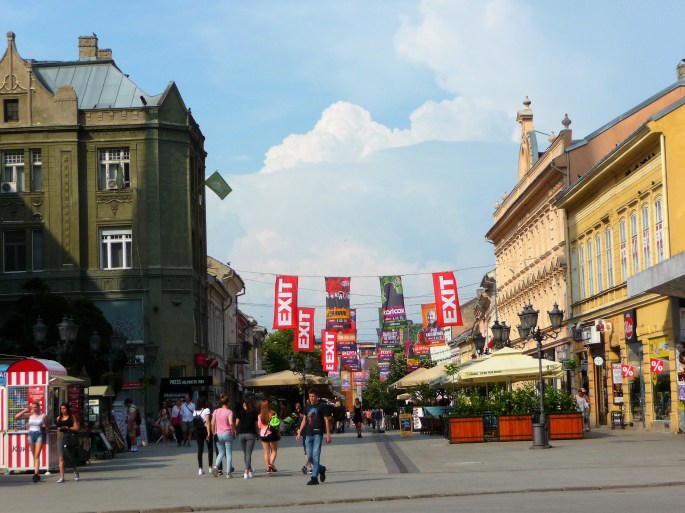
With its focus on regal buildings, interesting sights and a strong cafe and bar culture, Novi Sad took us by surprise. Named European Youth Capital 2019 and European Capital of Culture for 2021 (an interesting honour for a non EU city), it exudes energy by the bucketload. That’s Novi Sad’s Liberty Square in the feature photo.


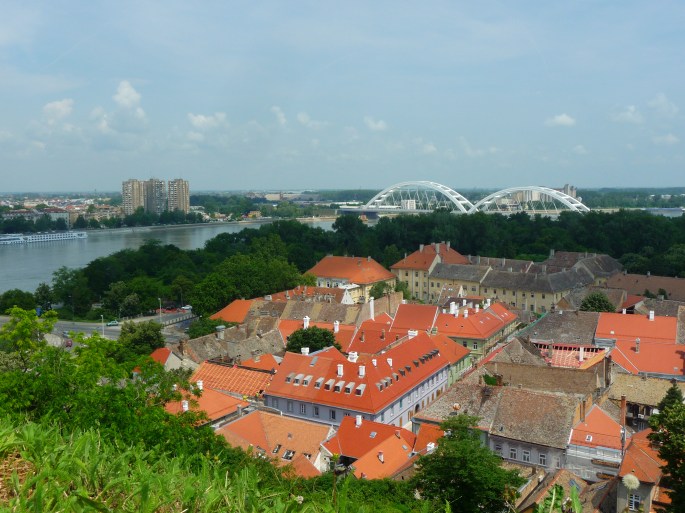
Number one tourist attraction, Petrovaradin Fortress built in the 1600s is in excellent condition.


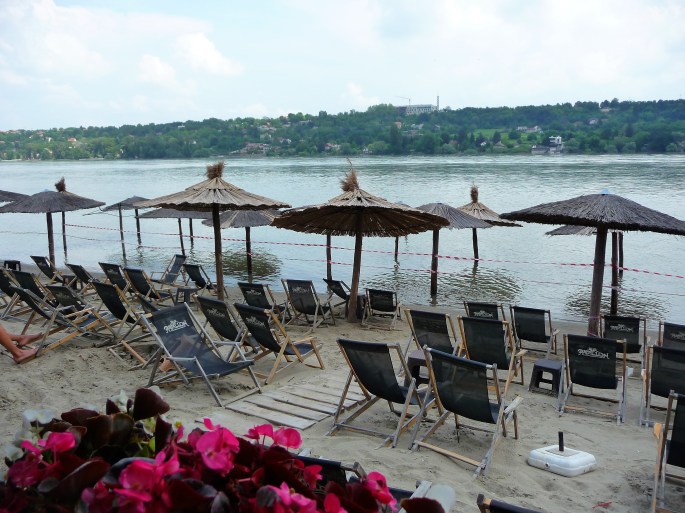
This is Strand on the Danube River, the town’s beach. The sand should extend much further, but there’d been some flooding before our arrival. Restaurants and bars line the river and behind these are excellent play areas for children.
Serbia is landlocked, but the Danube River and some sand make for a good beach.
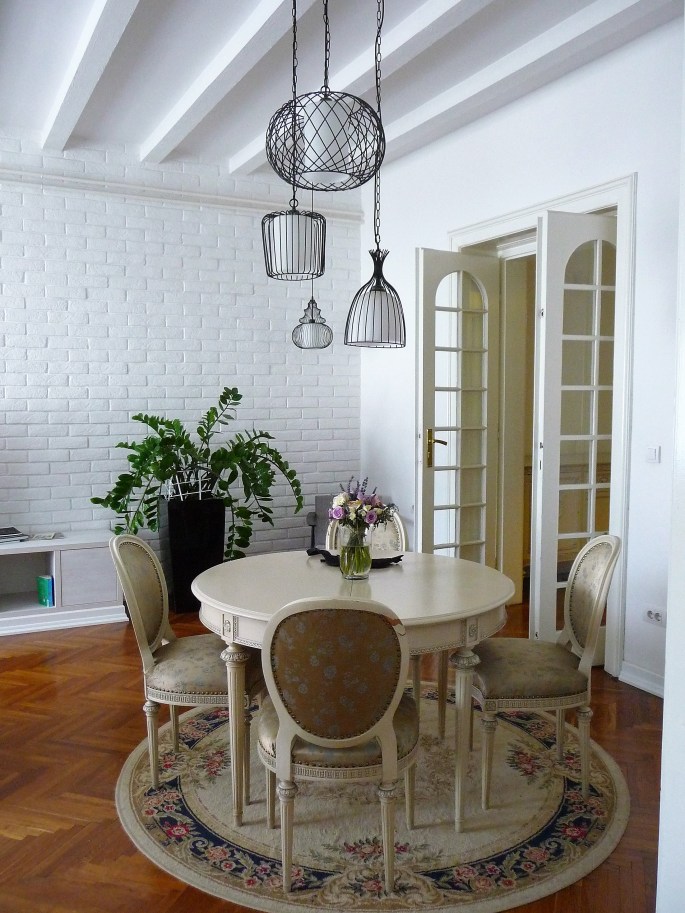
We stayed in this lovely, roomy, centrally located apartment. The friendly owner met us at the apartment and gave us some helpful hints for navigating Novi Sad.
From Novi Sad, we bussed to Serbia’s capital Belgrade. This quick trip of one and a half hours took us over the Danube River.

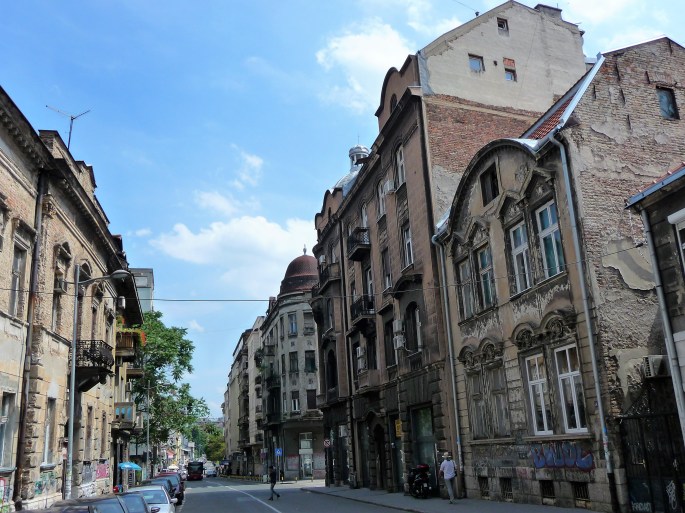
Belgrade is completely different to Novi Sad and we thoroughly enjoyed our time in this most interesting city. It didn’t seem centralised, possibly because there is no old town to give it a centre point. So, we donned joggers and walked all over the city. Belgrade is gritty, not pretty thanks to an overabundance of Soviet blocks built in the Brutalist style.
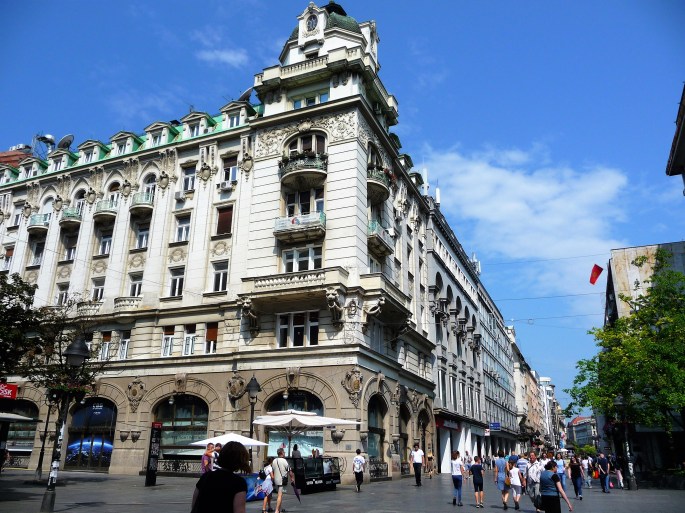
Knez Mihailova offers a different style of architecture. It’s a pedestrian boulevard with a mix of cafes and shops from the Austrian Hungarian era.
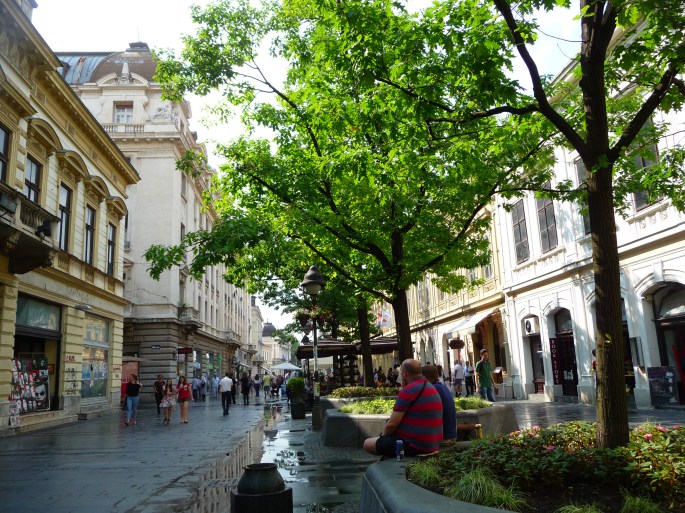
Skardaska is described by Lonely Planet as ‘the bohemian heartland at the turn of the 20th century.’ Not far from Republic Square, its cobblestone lanes are lined with restaurants and cafes.


The iconic Moscva Hotel – nice place to stay
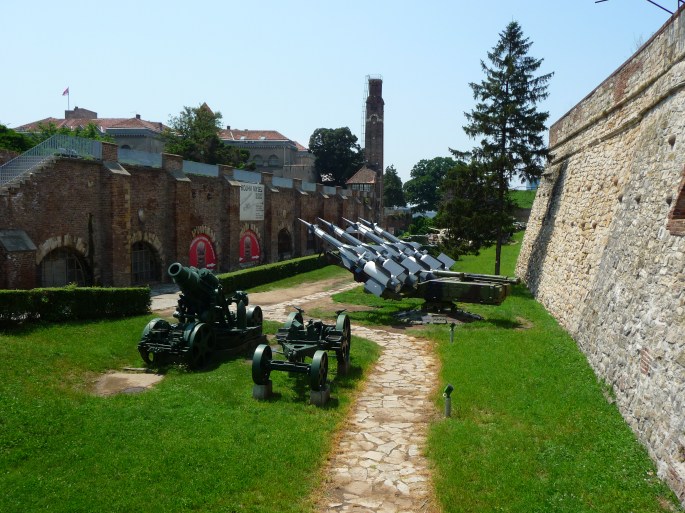
Kelemegdan Citadel is Belgrade’s number one tourist attraction. It’s a solid structure and little wonder, given that 115 battles have been fought over it. It’s been destroyed 40 times. The Romans, Austro Hungarians and Turks have all had a hand in the making of this impressive structure.


Belgrade is home to two particularly stunning churches


Not far from St Mark’s Church is this grim reminder of the 1995 war with Bosnia.

Nikola Tesla Museum is worth a visit. Tesla’s fame in the 1930s as the designer of alternating current (AC) electric system is well known. His system is still used today. Lack of funds meant some of his other brilliant ideas never came to fruition.

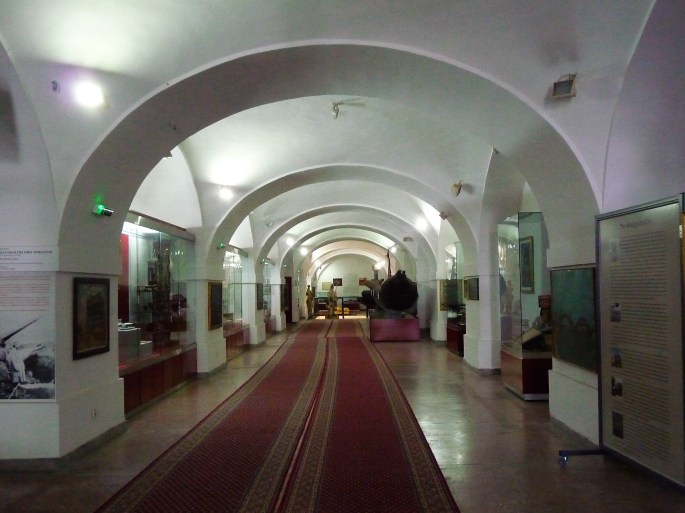
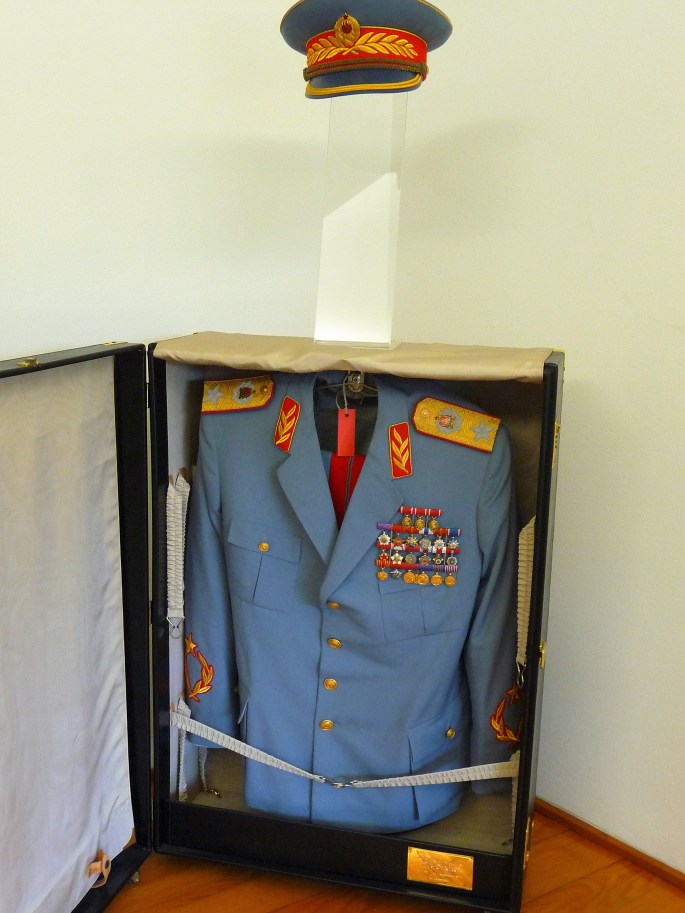
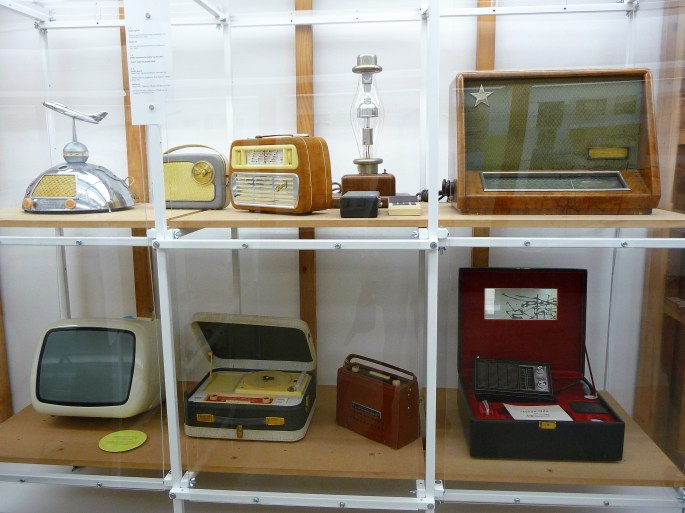
One museum I was keen to visit was the Museum of Yugoslav History which is a mighty ode to Yugoslavia’s well known socialist leader Tito (1892 -1980), born in Croatia but who made Belgrade his home.
A huge collection of gifts bestowed on Tito by heads of governments from around the world, as well as his personal items are on show. There’s also a detailed history outlining Tito’s rule. He was a man whose steely determination united many different nationalities into one nation – Yugoslavia.
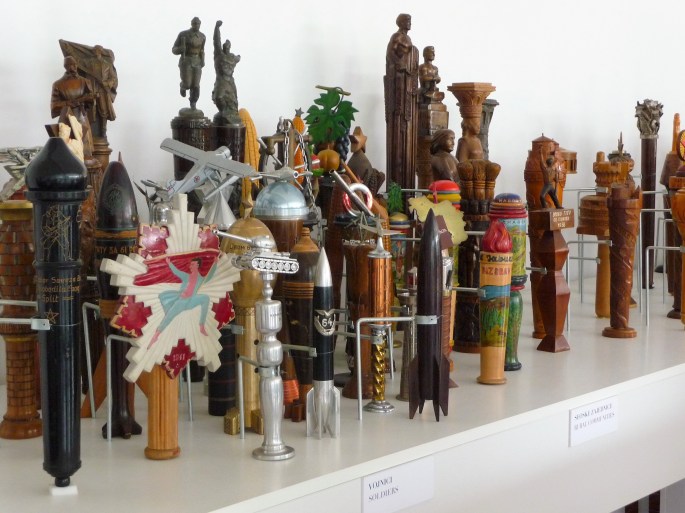
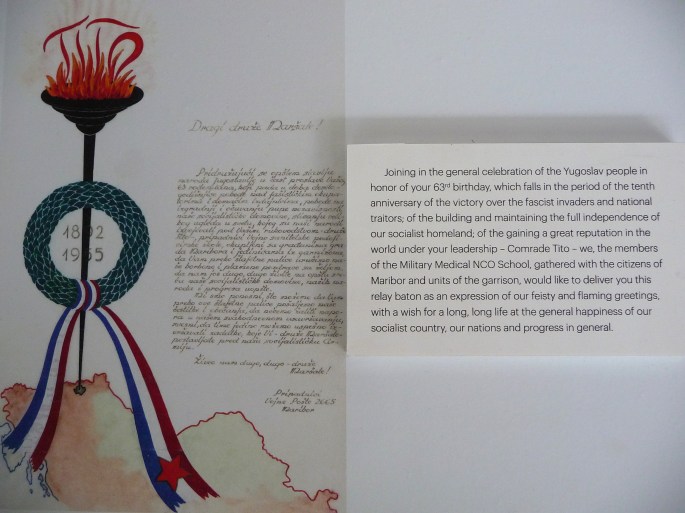
I had heard of Tito’s Youth Relay, but didn’t quite understand its significance until I ventured into this museum. Each year amid much pomp and ceremony, young people honoured Tito’s birthday by carrying batons from Tito’s home town in Croatia to the Yugoslav capital Belgrade. About a million children covered a distance of 9000 miles through the main cities in Yugoslavia. Tito saw it as a way of uniting the many countries and people that made up Yugoslavia.
Some of the relay batons are on display (apparently 22,000 are still packed away in the museum’s archives) and they are beautifully carved and created. Inside the batons are uplifting messages from Tito’s subjects.
Tito’s mausoleum, ‘The House of Flowers’, is on the museum grounds. His wife is also buried here.

A friendly guard on duty at the museum, recognised our Aussie accents and excitedly told us that in a few hours, here in Belgrade, Australia and Serbia would be contesting the semi finals of the World League Water Polo. Of course, tickets were well and truly sold out by then. Serbia won and went on to win the final. Well done Serbia. And on that high note, I’m going to sign off . Serbia, we only touched the tip of the iceberg but we enjoyed our visit!
Tomorrow we travel to Montenegro on the well known Belgrade to Bar train.
 Fuelled by travel